
When Was TSA Created & Why Was It Established?
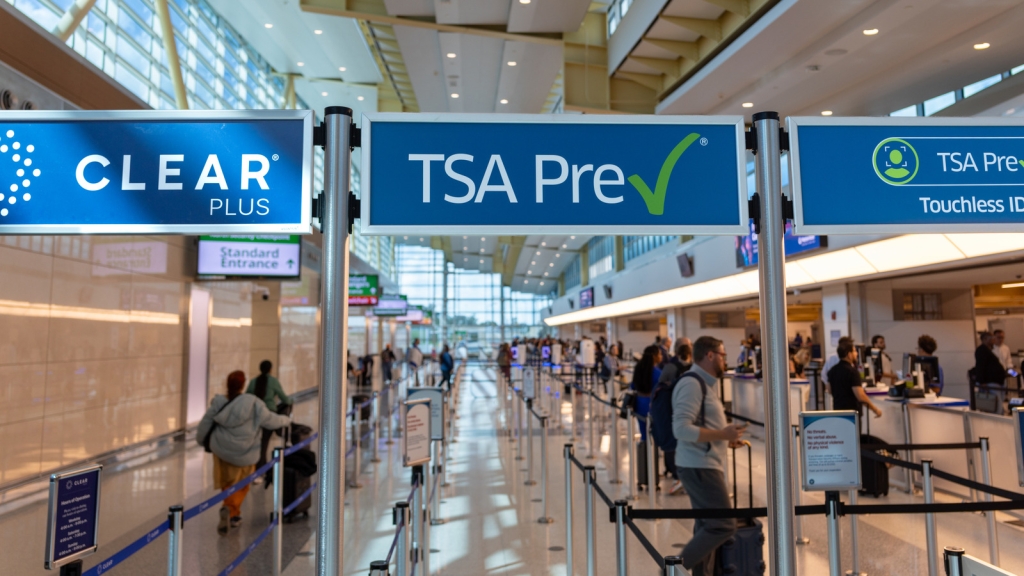
The Birth of TSA: How 9/11 Forever Changed American Air Travel
The Transportation Security Administration (TSA) has become such an integral part of American air travel that many younger travelers can’t remember a time before it existed. Yet in the grand timeline of aviation history, the TSA is a relatively new institution—one born out of tragedy and designed to fundamentally transform how Americans think about airport security.
On November 19, 2001, just 68 days after the devastating terrorist attacks that shook the nation, President George W. Bush signed the Aviation and Transportation Security Act into law. This legislation created the TSA as a new agency under the Department of Transportation, with the mission of dramatically enhancing security across all modes of transportation, particularly in aviation.
The first leader appointed to head this new agency was John Magaw, a former Secret Service chief. Though his tenure lasted only about eight months before he resigned, Magaw established two critical priorities that would shape the TSA’s approach for years to come: creating a federal workforce dedicated to screening travelers at airports, and implementing mandatory screening of all checked baggage for explosive devices. These measures represented a seismic shift from the previous system, where private contractors handled security at individual airports with varying standards and protocols.
The timing of the TSA’s creation leaves little doubt about its purpose. As Chellie Cameron, then-CEO of Philadelphia International Airport, explained in 2021: “The TSA was created in direct response to the tragic events of September 11, 2001, to prevent such a horrendous act from happening again.” The attacks exposed critical vulnerabilities in the existing security framework, where basic metal detectors and inconsistent private security personnel proved tragically inadequate against determined terrorists.
Evolution and Expansion: The TSA’s Growing Role
The TSA underwent a significant structural change in 2003 when it was transferred from the Department of Transportation to the newly created Department of Homeland Security. This move was strategic, consolidating various security-focused agencies under one umbrella to improve coordination and response capabilities.
While most Americans associate the TSA primarily with airport security and the sometimes frustrating experience of removing shoes and laptops at checkpoints, the agency’s responsibilities have expanded far beyond aviation. According to the TSA’s own reporting, its “scope includes commercial and general aviation; mass transit systems; freight and passenger rail; highways, pipelines and ports.” This expansion reflects the understanding that transportation security must be comprehensive to be effective.
The agency’s surface transportation division, established in 2019, has become increasingly important in recent years. Sonya Proctor, Surface Operations Assistant Administrator at the TSA, noted in April 2025 that while “the TSA is probably always going to be primarily an aviation organization,” it has developed crucial security oversight responsibilities in surface transportation. These include training security personnel, implementing Security Directives (packages of security measures for industries to follow), and addressing emerging threats like cybersecurity breaches in transportation infrastructure.
The TSA’s response to the May 2021 Colonial Pipeline ransomware attack exemplifies this expanded role. The agency issued its first Security Directive for surface transportation in response to this incident, which disrupted fuel supplies across the Eastern United States and highlighted the vulnerability of critical infrastructure to cyber threats.
The Pre-TSA Era: A Different World of Air Travel
To understand the magnitude of change the TSA brought, it’s essential to consider what airport security looked like before its establishment. Jeff Price, who served as Denver International Airport’s assistant security director during the 9/11 attacks, provided a stark contrast in a 2021 interview with NPR: “You could walk up to the gate at the very last minute. You did not have to have a boarding pass. All you had to do was go through the security checkpoint — no questions asked, no ID needed.”
The security measures in place were rudimentary by today’s standards. According to the 9/11 Commission Report, passengers passed through “a walk-through metal detector calibrated to detect items with at least the metal content of a .22-caliber handgun.” There were no body scanners, no advanced imaging technology, and no comprehensive screening protocols. Even more surprisingly, knives with blades no longer than four inches were permitted on board aircraft.
Airport security was primarily handled by private companies hired by individual airports, resulting in a patchwork of standards and procedures across the country. There was no federal oversight, no standardized training requirements, and no unified approach to threat assessment. This decentralized system, while perhaps more convenient for travelers, created dangerous inconsistencies that the 9/11 hijackers exploited.
In the immediate aftermath of the attacks, even before the TSA formally existed, emergency measures were implemented. Law enforcement and National Guard troops were deployed to airports, and a new, much stricter list of prohibited items was enforced. These temporary measures, while necessary, were chaotic and inconsistent—precisely the problems the TSA was created to solve.
The transformation from this pre-TSA world to today’s highly regulated airport environment represents one of the most significant shifts in American travel culture. What was once a relatively casual process—arriving at the airport 30 minutes before departure, carrying liquids without restriction, keeping shoes and belts on—became a carefully choreographed security ritual that millions of Americans experience regularly.
The TSA’s establishment marked not just a change in procedure, but a fundamental shift in how Americans conceptualize the relationship between convenience and security in public spaces. While debates continue about the effectiveness and intrusiveness of various TSA measures, there’s no question that the agency has permanently altered the landscape of American transportation, making security considerations paramount in ways that would have been unimaginable before that fateful September morning in 2001.
Tags: TSA history, 9/11 security changes, airport security evolution, transportation safety, Homeland Security, aviation security, post-9/11 America, travel security measures, TSA screening procedures, federal security agencies
Viral Phrases: “Remember when you could just walk to the gate?”, “The day everything changed for air travel”, “Security theater or necessary evil?”, “From metal detectors to body scanners”, “The invisible shield of modern travel”, “How 9/11 reshaped American skies”, “The price of safety in modern airports”, “When convenience met security”, “The unseen heroes of holiday travel”, “From private guards to federal agents”
,

Leave a Reply
Want to join the discussion?Feel free to contribute!