
Google’s new AI ‘world model’ is already hitting the games industry, but it’s everything I hate about artificial intelligence
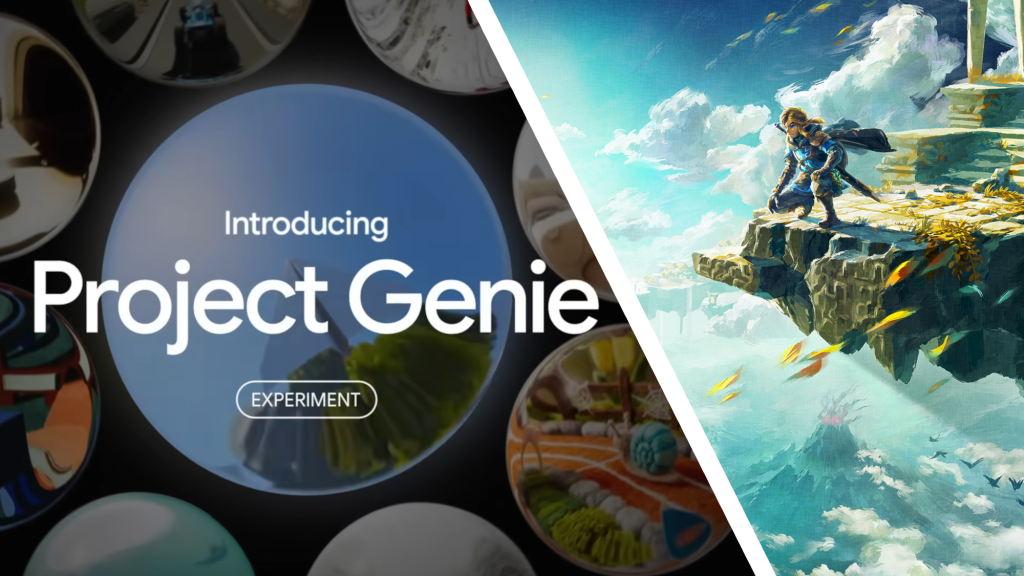
Google’s Project Genie: The AI Tool That’s Shaking the Gaming Industry to Its Core
In a shocking turn of events that has sent ripples through the gaming and tech worlds, Google’s latest AI innovation, Project Genie, has not only captured the imagination of tech enthusiasts but also triggered a significant downturn in the stock prices of major video game companies. This development is raising eyebrows and concerns about the future of AI in game development, and whether we’re on the brink of a seismic shift in how games are created and consumed.
The Genie is Out of the Bottle
Project Genie, an experimental AI tool from Google, was launched exclusively for subscribers of the AI Ultra plan, priced at a hefty $249.99 per month. The tool promises to revolutionize the gaming landscape by allowing users to generate playable, interactive worlds based on simple prompts or images. Imagine typing “a vast, open-world Zelda-like adventure” and having a fully functional game world materialize before your eyes. That’s the power Project Genie claims to wield.
But the implications of this technology are far-reaching. Investors, always on the lookout for the next big thing, have seemingly placed their bets on Project Genie as the future of gaming. This has led to a sharp decline in the stock prices of major gaming companies like CD Projekt Red, Take-Two Interactive (parent company of Rockstar Games), and Nintendo. The message is clear: the market believes AI could potentially disrupt the traditional gaming industry.
A Glimpse into the Future
While Project Genie is still in its experimental phase, early demonstrations have shown its potential. Users have created worlds inspired by iconic games like The Legend of Zelda: Tears of the Kingdom, Grand Theft Auto 5, and Kingdom Hearts. Some of these AI-generated worlds are eerily close to the originals, showcasing the tool’s ability to mimic and recreate complex game environments.
However, it’s important to note that these worlds are far from perfect. They are barely playable, lacking the polish, depth, and creativity that come from human developers. Yet, the fact that they exist at all is a testament to how far AI has come—and how much further it could go.
The Backlash: Gamers vs. AI
The gaming community has been vocal in its opposition to AI-generated content. Recent controversies, such as the backlash against AI integration in Call of Duty: Black Ops 7, highlight the deep-seated concerns among gamers. Many fear that AI could lead to a loss of creativity, identity, and authenticity in games. After all, gaming is an art form, and art is inherently human.
Moreover, the rise of AI in gaming could have dire consequences for the industry’s workforce. If AI tools like Project Genie become advanced enough to replace human developers, we could see widespread layoffs and a shift in the balance of power within the industry. This is a future that many are unwilling to accept.
The Hardware Angle: AI’s Growing Appetite
The impact of AI isn’t limited to game development. It’s also driving up the cost of gaming hardware, particularly RAM. PC hardware manufacturers are increasingly focusing on AI enterprises, leading to higher prices for consumers. This trend is making gaming more expensive and less accessible, further fueling the debate about AI’s role in the industry.
The Verdict: A Warning Sign
While Project Genie is still in its infancy, its impact on the stock market is a warning sign. It shows that investors are willing to bet big on AI, even if the technology isn’t fully mature. This could signal a future where AI-generated games become the norm, potentially at the expense of human creativity and innovation.
However, the strong opposition from gamers and industry professionals suggests that this future is not inevitable. The gaming community has proven time and again that it values authenticity, creativity, and human touch. As long as these values remain at the forefront, AI will likely remain a tool rather than a replacement.
Conclusion: The Road Ahead
Google’s Project Genie is a fascinating glimpse into the future of gaming, but it’s also a reminder of the challenges and risks that come with AI integration. While the technology holds immense potential, it also raises important questions about creativity, identity, and the role of humans in the creative process.
As we move forward, it’s crucial to strike a balance between innovation and tradition. AI can be a powerful tool, but it should never come at the cost of the human spirit that makes gaming so special. The genie may be out of the bottle, but it’s up to us to decide how we use its power.
Tags & Viral Phrases:
- Google Project Genie
- AI in gaming
- Stock market chaos
- Gaming industry disruption
- AI-generated worlds
- Gamers vs. AI
- Future of game development
- Tech revolution
- Gaming layoffs
- RAM prices skyrocketing
- Call of Duty AI backlash
- Nintendo stock drop
- Rockstar Games AI threat
- CD Projekt Red stock plunge
- AI Ultra plan
- Interactive game worlds
- Gaming hardware costs
- Human creativity vs. AI
- Gaming industry warning
- TechRadar news
- AI gaming controversy
- Project Genie demo
- Gaming community backlash
- AI tool experiment
- Gaming innovation
- Stock market impact
- AI gaming future
- Gaming industry shakeup
- AI-generated content
- Gaming authenticity
- Industry workforce impact
- AI gaming debate
- Gaming creativity at risk
- AI gaming revolution
- Stock market reaction
- Gaming industry transformation
- AI gaming potential
- Gaming industry concerns
- AI gaming challenges
- Gaming industry evolution
- AI gaming risks
- Gaming industry future
- AI gaming opportunities
- Gaming industry adaptation
- AI gaming ethics
- Gaming industry resilience
- AI gaming limitations
- Gaming industry innovation
- AI gaming possibilities
- Gaming industry survival
- AI gaming limitations
- Gaming industry transformation
- AI gaming future
- Gaming industry disruption
- AI gaming potential
- Gaming industry evolution
- AI gaming risks
- Gaming industry adaptation
- AI gaming ethics
- Gaming industry resilience
- AI gaming limitations
- Gaming industry innovation
- AI gaming possibilities
- Gaming industry survival
,

Leave a Reply
Want to join the discussion?Feel free to contribute!