
Microsoft Upgrades Its WSL2 Kernel Against Linux 6.18 LTS
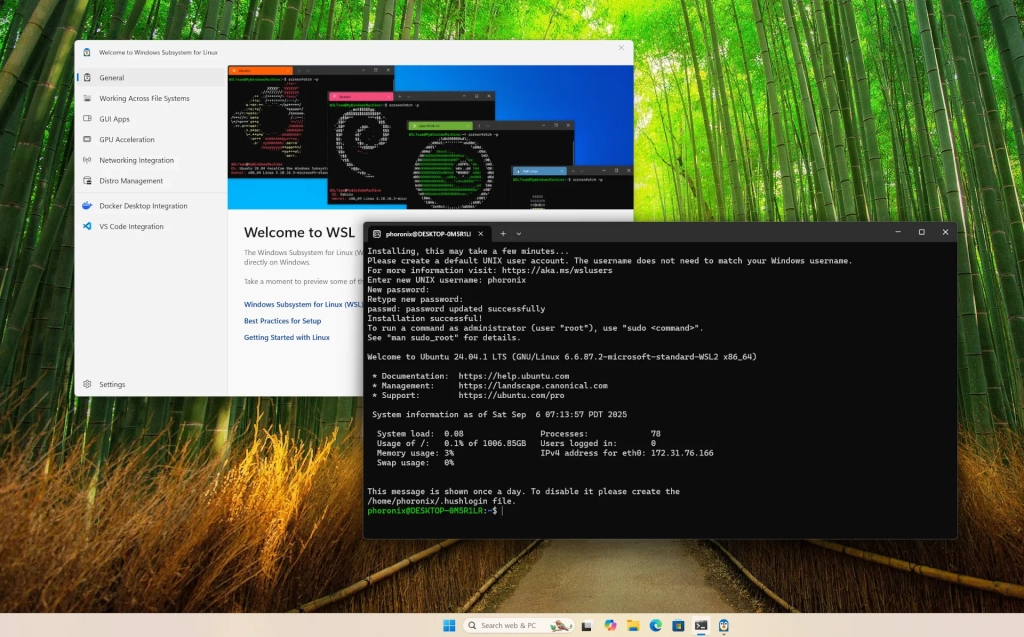
Microsoft Jumps Ahead: WSL2 Now Powered by Linux 6.18 LTS Kernel
In a significant move that underscores Microsoft’s deepening commitment to Linux integration, the tech giant has released the latest update to the Windows Subsystem for Linux 2 (WSL2), now built on the Linux 6.18 LTS kernel series. This marks a strategic leap from the previous Linux 6.6 LTS foundation, positioning WSL2 at the forefront of kernel technology.
A Strategic Kernel Upgrade
The transition from Linux 6.6 LTS to Linux 6.18 LTS is more than just a version bump—it’s a calculated step forward. Linux 6.6, while reliable, has now aged two Long-Term Support (LTS) cycles, making the shift to the newer kernel both timely and necessary. By adopting Linux 6.18.20 LTS, Microsoft ensures that WSL2 users benefit from the latest performance optimizations, security enhancements, and hardware support baked into the upstream kernel.
Cleaner Code, Fewer Patches
One of the most notable technical benefits of this upgrade is the reduction in out-of-tree patches. Previously, Microsoft maintained custom patches for features like VirtIO PMEM (Persistent Memory) support. With the move to Linux 6.18, many of these patches are now redundant, as the upstream kernel natively supports these capabilities. This streamlining not only simplifies maintenance but also aligns WSL2 more closely with the broader Linux ecosystem.
New Kernel Configurations: What’s Enabled?
Beyond the kernel version bump, Microsoft has also tweaked the kernel configuration (Kconfig) to enable several new features:
-
F2FS and ExFAT File System Support: The inclusion of F2FS (Flash-Friendly File System) is a boon for users working with flash storage, while ExFAT support—despite being a Microsoft-developed file system—arrives somewhat surprisingly late to WSL2. This addition enhances cross-platform compatibility, especially for users transferring files between Windows and Linux environments.
-
ANON_VMA_NAME: This kernel feature improves memory management diagnostics, making it easier to track and debug virtual memory areas.
-
CAN (Controller Area Network) Support: Enabling various CAN support options opens the door for WSL2 to be used in automotive and industrial applications, where CAN bus communication is critical.
-
Joystick Interface Support: Gamers and developers working on input device projects will appreciate the newfound support for joystick interfaces, expanding WSL2’s utility in interactive applications.
-
USB Monitor Support: This feature allows for better monitoring and debugging of USB devices, a valuable tool for hardware developers and enthusiasts.
-
ARM64 Optimization: For ARM64 architectures, Microsoft has streamlined the kernel by enabling only FAT file system support, optimizing performance for devices like the Surface Pro X.
Why This Matters
This update is more than a technical footnote—it’s a statement. Microsoft’s investment in WSL2 demonstrates its recognition of Linux’s central role in modern development, cloud computing, and even emerging fields like edge computing and IoT. By keeping WSL2 on the cutting edge, Microsoft ensures that developers have access to the latest tools and technologies, all from within the Windows environment.
The move also reflects a broader industry trend: the blurring lines between operating systems. As hybrid and multi-platform workflows become the norm, seamless integration between Windows and Linux is no longer a luxury—it’s a necessity.
Looking Ahead
With WSL2 now powered by Linux 6.18 LTS, the stage is set for even more innovation. As Microsoft continues to refine and expand WSL2, users can expect further enhancements in performance, compatibility, and feature set. Whether you’re a developer, a sysadmin, or a tech enthusiast, this update is a clear signal that the future of computing is collaborative, cross-platform, and open.
For those eager to dive into the details, the full release notes and technical specifications are available on GitHub.
Tags & Viral Phrases:
Microsoft WSL2 Linux kernel update, Linux 6.18 LTS, Windows Subsystem for Linux, kernel upgrade, ExFAT support, F2FS file system, VirtIO PMEM, ANON_VMA_NAME, CAN support, joystick interface, USB monitor, ARM64 optimization, cross-platform development, open source integration, tech innovation, Microsoft Linux strategy, WSL2 performance boost, hybrid workflows, edge computing, IoT development, developer tools, kernel configuration, out-of-tree patches, Linux ecosystem, Windows 11 WSL2, tech news 2025, Microsoft open source, kernel rebase, file system support, hardware compatibility, memory management, automotive Linux, gaming on Linux, Surface Pro X, cloud computing, multi-platform workflows, debugging tools, tech collaboration, future of computing.
,


Leave a Reply
Want to join the discussion?Feel free to contribute!