
SpaceX acquires xAI, plans to launch a massive satellite constellation to power it
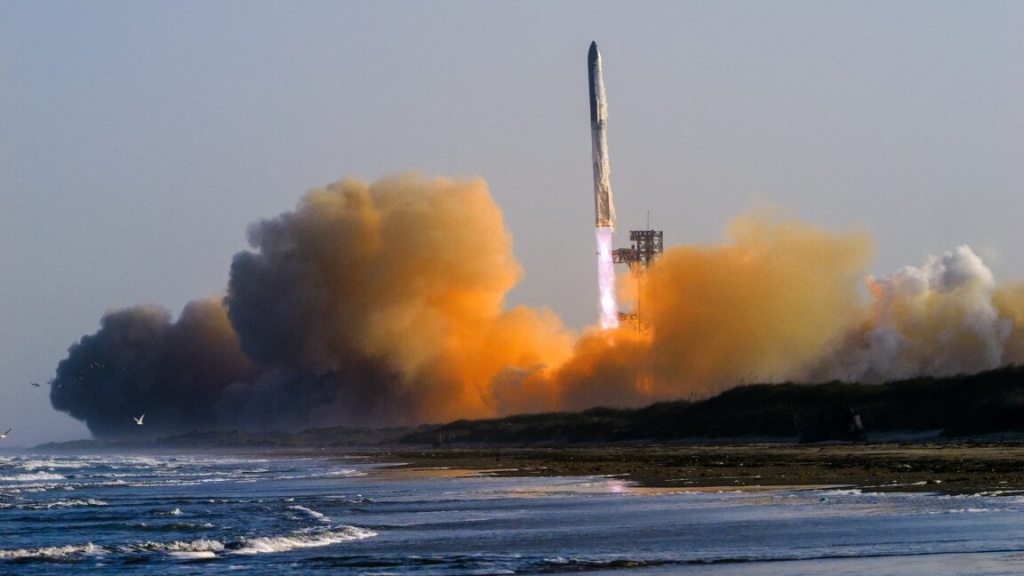
SpaceX’s Stargaze Project: A Technological Leap That Could Overcrowd Earth’s Orbit
In a bold move that could redefine the future of space-based data processing, SpaceX has filed a proposal with the Federal Communications Commission (FCC) for a revolutionary megaconstellation of satellites designed to function as orbiting data centers. Dubbed “Stargaze,” this ambitious initiative aims to push the boundaries of space technology by deploying hundreds of satellites equipped with massive solar arrays to harness solar energy for computational power. However, as the project gains momentum, experts are raising alarms about the potential risks of overcrowding Earth’s orbit and the long-term consequences of such a massive deployment.
The Race to Space: Innovation or Overreach?
“This is all happening really fast,” said Victoria Samson, chief director of space security and stability for Secure World Foundation, in an interview. Her words echo the concerns of many in the space community who are grappling with the rapid pace of technological advancements and their implications for orbital safety.
The concept of Stargaze is undeniably groundbreaking. By leveraging the unique advantages of space—such as the absence of atmospheric interference and the ability to harness solar energy—SpaceX aims to create a network of satellites capable of processing vast amounts of data in real-time. This could revolutionize industries ranging from artificial intelligence to climate modeling, offering unprecedented computational power and efficiency.
However, the sheer scale of the project has raised eyebrows among experts. With hundreds of satellites potentially orbiting Earth, the question of how to manage and mitigate the risks of collision becomes increasingly critical. As Samson pointed out, “There’s a lot of room in space, of course, but the question is, how much risk do you want to take?”
The Crowded Orbits Dilemma
At present, satellites operate within a “bubble” of space designed to minimize the risk of collisions. This buffer zone accounts for uncertainties in the precise location and movement of vehicles, which are often difficult to track with absolute accuracy. However, if SpaceX’s Stargaze project succeeds in improving space situational awareness, these bubbles could be significantly reduced, allowing for more efficient use of orbital space.
While this sounds promising, it also introduces new risks. The potential for collisions increases as the number of objects in orbit grows, and the consequences of such collisions could be catastrophic. Debris from a single collision could trigger a cascading effect, known as the Kessler Syndrome, where the density of objects in low Earth orbit becomes so high that collisions become inevitable, rendering the region unusable for decades.
Marlon Sorge, a technical expert at The Aerospace Corporation, emphasized the complexity of assessing the risks associated with Stargaze. “There are many unanswered questions about SpaceX’s proposed megaconstellation for orbital data centers,” he told Ars Technica. “This includes their size, as they will require very large solar arrays to collect sunlight, and precisely where the satellites will be deployed.”
The Debris Problem: A Lingering Threat
One of the most pressing concerns is the existing debris in Earth’s orbit. At altitudes between 800 to 1,000 km above Earth, there is already a significant amount of debris from previous collisions, including the infamous Chinese anti-satellite missile test in 2007, which created more than 3,000 pieces of golf-ball-sized or larger debris. This debris poses a constant threat to operational satellites and spacecraft.
Above this altitude, the situation is somewhat better, but objects at these heights take centuries to deorbit naturally due to the limited atmosphere. “The big challenge at those altitudes is the stuff that’s up there stays up there,” Sorge explained. “If you generate more debris, if you have problems, it won’t go away, so you’re stuck with it.”
SpaceX’s Mitigation Strategies
In its regulatory filing, SpaceX has outlined several measures to address these concerns. Each satellite in the Stargaze constellation will be equipped with “redundant maneuverability capabilities” to ensure it can deorbit into Earth’s atmosphere at the end of its operational life. This is a critical step in minimizing the long-term accumulation of debris in orbit.
However, SpaceX is also considering more innovative solutions to address the environmental impact of satellite reentries. Emerging science has shown that aluminum from burning satellites can harm ozone levels in the atmosphere. To mitigate this, SpaceX is exploring the possibility of moving aging satellites into “high altitude Earth orbits or heliocentric orbits.” This approach could significantly reduce the environmental impact of satellite disposal while also addressing the debris problem.
The Future of Space: A Balancing Act
As SpaceX pushes forward with its Stargaze project, the space community is left to grapple with the delicate balance between innovation and sustainability. The potential benefits of orbiting data centers are immense, offering a new frontier for technological advancement and economic growth. However, these benefits must be weighed against the risks of overcrowding Earth’s orbit and the long-term consequences of unchecked satellite deployment.
The success of Stargaze will depend not only on SpaceX’s technical prowess but also on its ability to navigate the complex regulatory and environmental challenges that come with such a groundbreaking project. As Samson aptly put it, “The question is, how much risk do you want to take?” For now, the world watches with bated breath as SpaceX takes its next giant leap into the cosmos.
Tags: SpaceX, Stargaze, orbital data centers, space debris, Kessler Syndrome, satellite technology, space sustainability, FCC, environmental impact, solar arrays, orbital safety, megaconstellation, space exploration, technological innovation, ozone depletion, space situational awareness.
Viral Sentences:
- “This is all happening really fast.”
- “There’s a lot of room in space, of course, but the question is, how much risk do you want to take?”
- “The big challenge at those altitudes is the stuff that’s up there stays up there.”
- “If you generate more debris, if you have problems, it won’t go away, so you’re stuck with it.”
- “SpaceX’s Stargaze project could revolutionize industries ranging from artificial intelligence to climate modeling.”
- “The potential for collisions increases as the number of objects in orbit grows.”
- “The success of Stargaze will depend not only on SpaceX’s technical prowess but also on its ability to navigate the complex regulatory and environmental challenges.”
,


Leave a Reply
Want to join the discussion?Feel free to contribute!