
FCC Exempts Netgear from Foreign-Made Router Ban for Some Reason
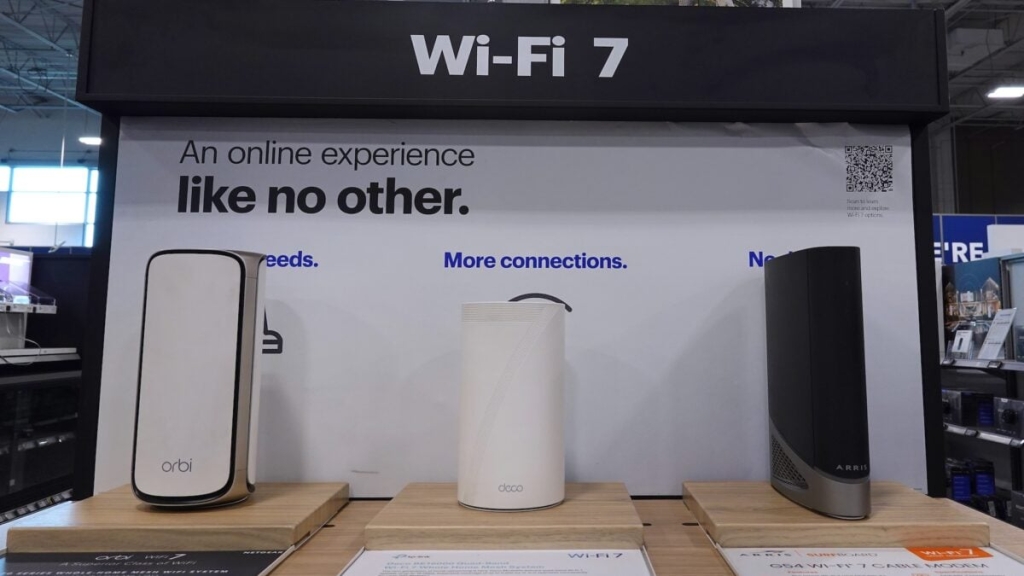
Netgear Lands Major FCC Exemption: Can Continue Importing Foreign-Made Routers Until 2027
In a surprising twist to the Federal Communications Commission’s recent hardline stance on router security, Netgear has been granted a special exemption from the agency’s ban on foreign-manufactured networking equipment—allowing the company to continue importing its popular routers and modems well into 2027.
The FCC’s decision, revealed in a March 25 public notice, grants Netgear—one of America’s largest networking equipment manufacturers—permission to import and sell a wide range of consumer routers, mesh systems, and cable modems manufactured outside the United States until October 1, 2027.
The FCC’s Original Ban and Its Security Rationale
The exemption comes just weeks after the FCC announced what many in the tech industry viewed as a sweeping ban on all new routers not manufactured domestically. The agency justified the move by citing serious cybersecurity concerns, pointing to high-profile breaches like the Salt Typhoon attacks of 2024, which exploited vulnerabilities in networking equipment to compromise sensitive communications.
According to FCC officials, the supply chain for networking hardware had become a critical weak point in America’s cybersecurity infrastructure. By requiring all new routers to be manufactured domestically or under strict conditional approval processes, the agency aimed to eliminate potential backdoors and ensure greater control over the security of devices connecting millions of American homes to the internet.
Netgear’s Unprecedented Loophole
What makes Netgear’s exemption particularly noteworthy is its breadth. The company’s waiver covers an extensive product lineup including:
- Nighthawk consumer mesh, mobile, and standalone routers (R, RAX, RAXE, RS, MK, MR, M, and MH series)
- Orbi consumer mesh, mobile, and standalone routers (RBK, RBE, RBR, RBRE, LBR, LBK, and CBK series)
- Cable gateways (CAX series)
- Cable modems (CM series)
This comprehensive exemption essentially provides Netgear with a significant competitive advantage, allowing it to continue leveraging its existing overseas manufacturing relationships while competitors scramble to either establish U.S. production facilities or navigate the FCC’s conditional approval process.
The Adtran Comparison
Netgear isn’t alone in receiving special treatment. The FCC’s notice indicates that Adtran Inc. also received a similar exemption, though for a more limited product range. This has led industry observers to question why these two companies were singled out for preferential treatment when the stated goal of the ban was to secure the entire router supply chain.
No Evidence of Reshoring Plans
Despite the security-focused justification for the original ban, Netgear’s public statements regarding the exemption make no mention of plans to move manufacturing to the United States. On its website, the company continues to state that it manufactures consumer router products in Indonesia, Vietnam, and Thailand—nations the company notes are considered U.S. allies.
The company’s characterization of itself as “a U.S. founded and headquartered company” appears to be the primary basis for its exemption, raising questions about whether the FCC’s security concerns have been adequately addressed or whether other factors influenced the decision.
Industry and Security Expert Reactions
The exemption has drawn criticism from cybersecurity experts and industry analysts who argue it undermines the FCC’s stated security objectives. The Technology Policy Institute, a prominent think tank, issued a report suggesting that the ban “creates the very vulnerability it claims to address,” particularly given the expiration date for security updates that the FCC quietly added to its rules.
Some experts point out the irony that a measure intended to enhance security may actually create new risks by potentially concentrating market power among companies with political influence rather than those with the most secure manufacturing practices.
The Competitive Landscape Impact
For consumers and competitors alike, Netgear’s exemption creates an uneven playing field. While other router manufacturers face significant challenges in either establishing U.S. production capabilities or meeting the FCC’s conditional approval requirements, Netgear can continue business as usual—potentially offering more competitive pricing and product availability.
This disparity could accelerate market consolidation, with smaller players struggling to adapt to the new regulatory environment while Netgear maintains its market position through the exemption period.
What Comes Next
The tech industry now faces an uncertain period as companies, regulators, and security experts grapple with the implications of selective enforcement and the true effectiveness of supply chain security measures. Questions remain about:
- Whether other companies will seek similar exemptions
- How the FCC will justify future exemption requests
- Whether the October 2027 deadline represents a genuine transition timeline or merely a temporary reprieve
- The long-term impact on router security and market competition
As the October 2027 deadline approaches, all eyes will be on Netgear and the FCC to see whether this exemption represents a pragmatic compromise or a fundamental flaw in the agency’s approach to securing America’s networking infrastructure.
For now, consumers can continue purchasing Netgear routers with the assurance that their favorite brands will remain available, while the broader debate over balancing security, competition, and manufacturing realities in the tech sector continues to unfold.
Tags & Viral Phrases:
Netgear FCC exemption
Router security ban loophole
Foreign router imports extended
Netgear Nighthawk exemption
Orbi mesh systems waiver
FCC cybersecurity controversy
Router supply chain security
Netgear manufacturing Indonesia Vietnam
Adtran similar exemption
Technology Policy Institute criticism
Salt Typhoon cybersecurity breach
U.S. router manufacturing requirements
Conditional FCC approval process
Netgear competitive advantage
Router market share impact
October 2027 deadline
Foreign-made router ban
Netgear Orbi waiver
Cable modem exemption
FCC regulatory inconsistency
Netgear security update policy
Router industry reshoring debate
Netgear U.S. headquarters advantage
FCC selective enforcement
Router cybersecurity vulnerabilities
Netgear market dominance extended
Foreign router supply chain
FCC security policy backfire
Netgear competitive pricing advantage
Router manufacturing allies nations
Netgear exemption controversy
FCC security vs competition
Router industry regulatory chaos
Netgear market consolidation impact
FCC exemption justification questions
Router security update expiration
Netgear manufacturing transparency
FCC cybersecurity policy effectiveness
Router industry uneven playing field
,

Leave a Reply
Want to join the discussion?Feel free to contribute!