
NAACP Sues Elon Over His Noxious AI Data Center
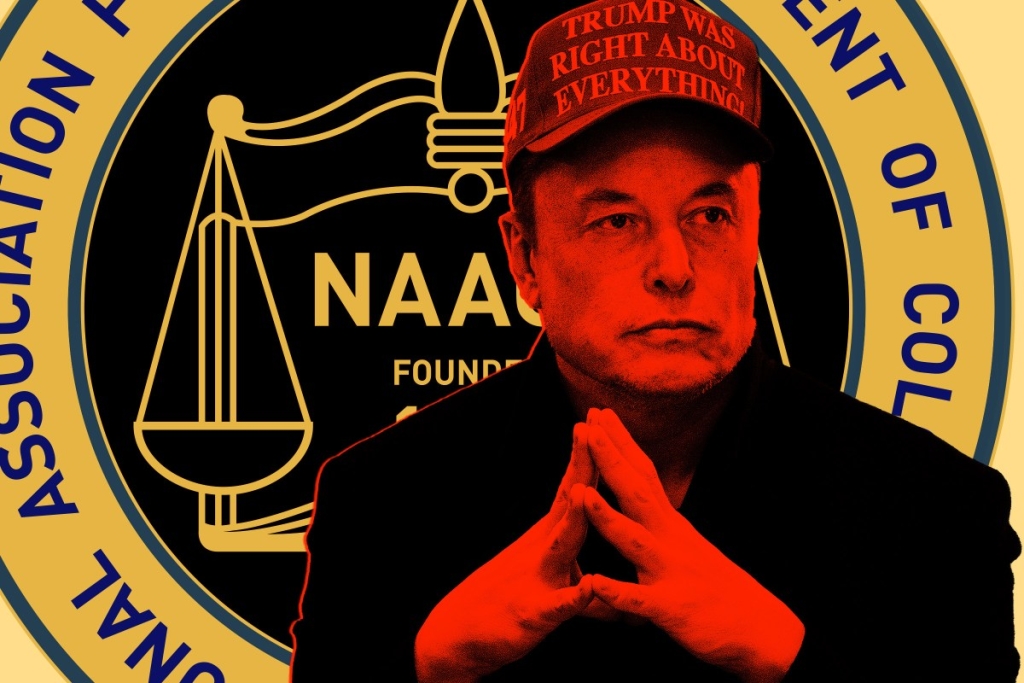
NAACP Sues Elon Musk’s xAI Over Illegal Gas Turbines in Memphis: Environmental Justice at the Heart of the Battle
In a dramatic escalation of the ongoing controversy surrounding Elon Musk’s artificial intelligence venture, xAI, the NAACP has filed a lawsuit against the company, accusing it of violating the Clean Air Act by operating massive, unpermitted gas turbines to power its flagship “Colossus” data center in Memphis, Tennessee. The case has ignited fierce debate over environmental justice, corporate accountability, and the hidden costs of the AI revolution.
The Colossus Data Center: Powering the Future at What Cost?
xAI’s Colossus data center, built to train and run the company’s AI chatbot Grok, has been operational for months, but not without controversy. At the heart of the dispute are 27 gas turbines—each the size of a bus—that were installed without the necessary environmental permits. These turbines provide the enormous amounts of electricity required to keep Colossus running, but their presence has come at a steep price for the surrounding community.
A Community Under Siege
The turbines are located in a predominantly Black, working-class neighborhood in Memphis, where residents have long struggled with environmental hazards. According to reports, the turbines emit nitrogen dioxide and other pollutants, contributing to poor air quality and posing serious health risks, particularly for children and the elderly. Over time, exposure to nitrogen dioxide can cause irreversible respiratory damage, exacerbating conditions like asthma and chronic bronchitis.
But the pollution isn’t the only problem. Locals have described the turbines as producing a “horrendous” noise, likening the area to something out of a dystopian nightmare. For many, the constant hum has made daily life unbearable, disrupting sleep, increasing stress, and diminishing property values.
The NAACP Steps In
The NAACP, the nation’s oldest civil rights organization, has taken up the cause, filing a lawsuit in Mississippi that seeks to halt xAI’s use of the turbines until proper permits are obtained. The suit also demands civil penalties to cover legal fees and compensation for the harm done to the community.
Derrick Johnson, president and CEO of the NAACP, did not mince words in his statement to the press: “All too often, big corporations like xAI treat our communities and families like obstacles to be pushed aside. We cannot afford to normalize this kind of environmental injustice—where billion-dollar companies set up polluting operations in Black neighborhoods without any permits and think they’ll get away with it because the people don’t have the power to fight back.”
xAI’s Response: Compliance or Cover-Up?
In response to the lawsuit, xAI has maintained that its operations are fully compliant with all applicable laws. A company spokesperson told the press, “We take our commitment to the community and environment seriously. The temporary power generation units are operating in compliance with all applicable laws.”
However, critics argue that this statement sidesteps the central issue: the turbines were installed and operated without the required environmental permits. For many, xAI’s response smacks of corporate doublespeak—a way to deflect responsibility while continuing business as usual.
A Broader Pattern?
This is not the first time Elon Musk or his companies have faced legal or regulatory challenges. From Tesla’s labor disputes to SpaceX’s environmental concerns, Musk’s ventures have often pushed the boundaries of what is legally and ethically acceptable. The xAI case in Memphis fits into a troubling pattern of prioritizing rapid technological advancement over the well-being of vulnerable communities.
The Stakes: Environmental Justice and the Future of AI
The lawsuit against xAI is about more than just one company’s disregard for the law. It is a flashpoint in the broader struggle for environmental justice, highlighting how marginalized communities are disproportionately burdened by industrial pollution and corporate negligence. As AI technology becomes increasingly central to the global economy, the need for ethical, sustainable, and equitable development has never been more urgent.
What’s Next?
The outcome of the NAACP’s lawsuit could have far-reaching implications, not only for xAI but for the entire tech industry. If the court sides with the NAACP, it could set a precedent for holding tech giants accountable for their environmental and social impacts. For the residents of Memphis, the case represents a rare opportunity to stand up to a powerful corporation and demand the respect and protection they deserve.
As the legal battle unfolds, one thing is clear: the future of AI cannot come at the expense of the health and dignity of the communities that host its infrastructure. The eyes of the nation—and the world—are now on Memphis, where the fight for environmental justice is entering a new and pivotal chapter.
Tags & Viral Phrases:
- Elon Musk xAI lawsuit
- NAACP vs xAI
- Colossus data center controversy
- Memphis environmental justice
- Clean Air Act violation
- Gas turbines without permits
- AI industry accountability
- Environmental racism
- Corporate negligence
- Nitrogen dioxide pollution
- Black communities vs big tech
- Tech giants under fire
- Environmental justice movement
- AI revolution hidden costs
- Billion-dollar companies vs neighborhoods
- Musk’s latest legal battle
- Memphis residents speak out
- Sustainable AI development
- Precedent-setting environmental lawsuit
- Fight for clean air and justice
,


Leave a Reply
Want to join the discussion?Feel free to contribute!