
Apple wins latest round in Masimo fight as ITC closes Apple Watch import ban case
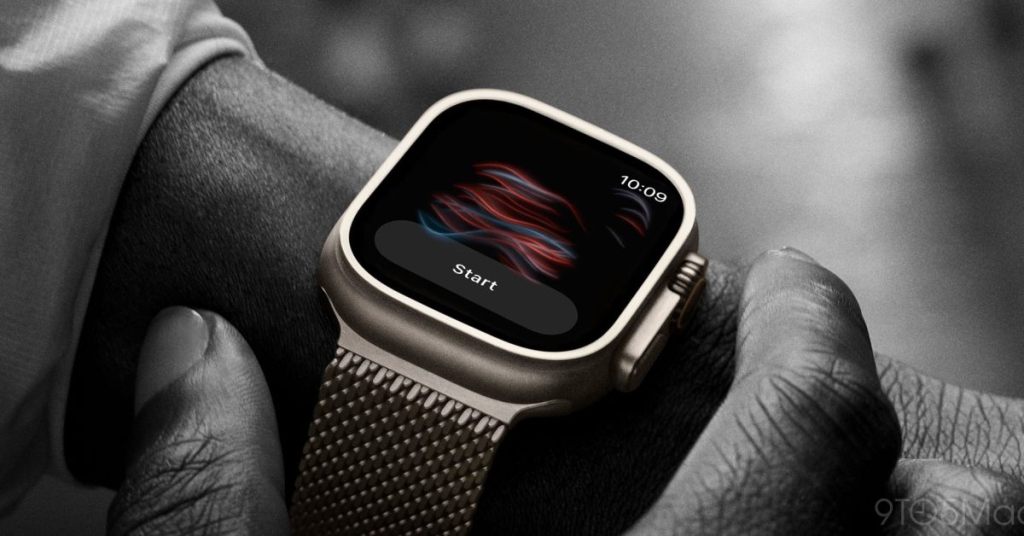
Apple Wins Major Legal Victory Over Masimo in Blood Oxygen Sensor Patent Battle
In a decisive legal win that could reshape the wearable health tech landscape, Apple has successfully defended its redesigned blood oxygen sensor technology against patent infringement claims from medical device maker Masimo. The International Trade Commission (ITC) has officially declined to review an earlier ruling, effectively closing the case and allowing Apple to continue selling Apple Watch models with the feature enabled in the United States.
The Long Road to This Moment
The battle between these tech giants has been raging for years, with Masimo alleging that Apple infringed on its patents related to blood oxygen monitoring technology. The dispute reached a critical point when Apple was forced to halt sales of certain Apple Watch models in the US, including the Apple Watch Series 9 and Apple Watch Ultra 2, to avoid an import ban.
Rather than capitulate, Apple took an innovative approach: it redesigned the blood oxygen feature to move most of the processing to the iPhone, using data collected by the Apple Watch. This technical workaround proved to be the key to Apple’s defense strategy.
Breaking Down the Legal Decisions
The case has seen multiple twists and turns:
First, ITC Administrative Law Judge Monica Bhattacharyya issued an initial determination finding that Apple’s redesigned blood oxygen feature did not infringe on Masimo’s patents. This was a crucial early victory for Apple.
Then, the Federal Circuit affirmed the ITC’s initial exclusion order, meaning the original version of the blood oxygen feature remains banned in the United States, but Apple’s redesigned version was deemed acceptable.
The final piece fell into place when the full ITC Commission decided not to review Judge Bhattacharyya’s finding of no infringement. This decision effectively terminates the case in Apple’s favor.
What This Means for Consumers
For Apple Watch users and potential buyers, this ruling ensures continued access to the blood oxygen monitoring feature in the United States. The feature, which measures blood oxygen saturation levels, has become an important health monitoring tool for many users, particularly those with respiratory conditions or who engage in high-altitude activities.
Apple emphasized in its statement that it remains committed to delivering comprehensive health features, including the ECG app, hypertension notifications, and irregular rhythm notifications, alongside the blood oxygen sensor.
Apple’s Statement and Strategic Positioning
In response to the ruling, Apple issued a pointed statement that underscores the company’s frustration with Masimo’s legal campaign:
“We thank the ITC for its decision, which ensures we can continue to offer this important health feature to our users. For more than six years, Masimo has waged a relentless legal campaign against Apple, and nearly all of its claims have been rejected. We will always defend our innovations, and remain focused on what we do best: delivering the best products and services in the world for our users.”
The company also highlighted its commitment to privacy and the extensive research and development that goes into its health features across all Apple devices.
Masimo’s Options Moving Forward
While this decision represents a significant setback for Masimo, the company isn’t completely out of options. Masimo can still appeal the decision to higher courts, potentially prolonging this legal saga. However, given the ITC’s final determination and the technical workaround Apple implemented, any future legal challenges may face an uphill battle.
The Broader Implications for Tech Innovation
This case highlights the complex intersection of intellectual property rights, technological innovation, and consumer access to health monitoring features. Apple’s ability to redesign its technology to avoid patent infringement while maintaining core functionality demonstrates the company’s engineering prowess and adaptability.
The outcome may also influence how other tech companies approach patent disputes and feature development, particularly in the highly competitive and rapidly evolving wearable technology sector.
Looking Ahead
As Apple continues to expand its health and wellness ecosystem, features like blood oxygen monitoring represent just one component of a broader strategy to position Apple Watch as an essential health device. The company’s success in defending this feature against Masimo’s claims strengthens its position in the health tech market and reinforces consumer confidence in the Apple Watch platform.
The resolution of this particular legal battle allows Apple to focus on further innovations in health monitoring technology, potentially bringing new features and improvements to future Apple Watch models without the overhang of this protracted patent dispute.
Tags: Apple Watch, blood oxygen sensor, Masimo lawsuit, ITC ruling, patent infringement, wearable technology, health monitoring, tech legal battle, Apple innovation, smartwatch features
Viral Phrases: Apple scores major win, legal battle ends, blood oxygen feature returns, ITC declines review, Apple defends innovation, Masimo legal campaign fails, redesigned technology approved, health tech victory, wearable patent dispute, Apple Watch features safe
Key Sentences: Apple just scored an important win in its ongoing battle with Masimo, Apple had to deactivate the technology on Apple Watches sold in the US, Apple’s redesigned version of the Apple Watch’s blood oxygen feature does not infringe Masimo’s patents, the ITC declined to review the earlier ruling today, effectively closing the case, Apple’s ability to redesign its technology to avoid patent infringement while maintaining core functionality demonstrates the company’s engineering prowess and adaptability.
,


Leave a Reply
Want to join the discussion?Feel free to contribute!