
OLED MacBook screen & M6 chip close to mass production
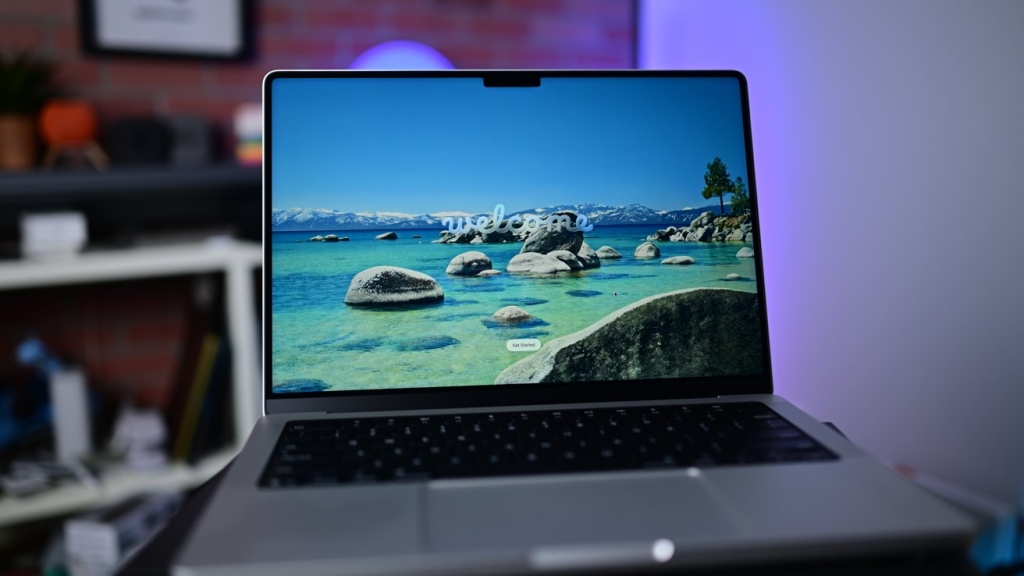
Apple’s Next-Generation MacBook Pro: M6 Chip and Revolutionary OLED Display Set to Launch in 2026
In a move that’s sending shockwaves through the tech world, Apple is reportedly preparing to unveil its second major MacBook Pro refresh in 2026, featuring groundbreaking hardware that could redefine the premium laptop experience. Industry insiders suggest that production of both the next-generation M6 silicon and an innovative OLED display is entering its final preparation stages, with mass manufacturing slated to begin this summer.
The centerpiece of this anticipated upgrade is undoubtedly the display technology. Apple appears to be partnering once again with Samsung Display to produce what would be the world’s first mass-produced eighth-generation OLED panel, codenamed “A6.” This collaboration signals Apple’s commitment to pushing display technology boundaries, potentially offering MacBook Pro users unprecedented color accuracy, contrast ratios, and power efficiency.
The M6 chip, Apple’s next iteration in its custom silicon lineup, is being developed to complement this advanced display perfectly. While specific technical details remain closely guarded, the M6 is expected to deliver significant performance improvements over its predecessor, the M5, which currently powers the latest MacBook Pro models. This chip will likely feature enhanced neural engine capabilities, improved energy efficiency, and architectural refinements that could extend battery life while boosting computational power.
What makes this 2026 refresh particularly intriguing is its timing. Rather than waiting for a traditional multi-year cycle, Apple seems poised to introduce this update relatively soon after the M5’s debut. This accelerated timeline suggests the company has made substantial technological breakthroughs that justify an earlier-than-expected product cycle.
The OLED display represents a significant departure from Apple’s current Mini-LED technology used in MacBook Pros. OLED panels offer perfect blacks, infinite contrast ratios, and potentially thinner device profiles. However, they also present challenges such as burn-in risks and higher production costs. Apple’s decision to pursue this technology indicates confidence in overcoming these hurdles while delivering a superior visual experience.
Supply chain sources indicate that Samsung Display’s A6 OLED production line is being configured specifically to meet Apple’s stringent quality requirements. This level of customization underscores the importance Apple places on display quality and suggests the 2026 MacBook Pro could feature one of the most advanced laptop screens ever produced.
The timing of mass production beginning this summer aligns with Apple’s typical product development cadence. Components usually enter mass production several months before an official announcement, allowing for sufficient inventory buildup ahead of launch. This suggests we might see the new MacBook Pro debut in late 2026, possibly during Apple’s traditional September event, though an October release remains equally plausible.
Industry analysts are particularly excited about how the M6 chip will leverage the OLED display’s capabilities. The combination could enable new features like always-on display functionality, enhanced HDR content creation workflows, and more efficient power management through individual pixel control.
Apple’s silicon team has consistently demonstrated its ability to optimize hardware and software integration, and the M6 is expected to continue this tradition. The chip will likely feature architectural improvements specifically designed to handle the unique demands of OLED technology, potentially including advanced color management systems and adaptive refresh rate capabilities.
The 2026 MacBook Pro refresh also comes at a crucial time for Apple’s laptop lineup. With competitors like Dell, HP, and Lenovo continuously innovating in the premium laptop space, Apple needs to maintain its technological edge. The combination of cutting-edge OLED display technology and next-generation silicon positions Apple to reinforce its dominance in the high-end laptop market.
Beyond the headline features, this refresh could include other significant improvements. Enhanced thermal management systems to handle the increased performance, upgraded camera and microphone arrays for improved video conferencing, and potentially new port configurations to address user feedback from previous generations are all possibilities.
The development of these components also reflects broader industry trends. As manufacturers push toward more immersive and efficient computing experiences, the integration of advanced display technologies with powerful, efficient processors becomes increasingly important. Apple’s approach with the 2026 MacBook Pro could set new standards that competitors will scramble to match.
For creative professionals, the implications are particularly exciting. The combination of M6 performance and OLED display quality could make the 2026 MacBook Pro an even more compelling tool for photo and video editing, graphic design, and other color-critical work. The enhanced display could provide more accurate color representation and better visibility in various lighting conditions.
As production timelines solidify and more details emerge, anticipation for Apple’s 2026 MacBook Pro continues to build. The convergence of advanced OLED technology with next-generation silicon represents a significant investment in laptop innovation, one that could influence the entire industry’s direction for years to come.
Apple #MacBookPro #M6Chip #OLEDDisplay #AppleSilicon #TechInnovation #FutureOfComputing #PremiumLaptops #NextGenTechnology #Apple2026 #DisplayTechnology #SiliconInnovation #TechRumors #AppleInsider #LaptopRevolution #CuttingEdgeTech #TechIndustry #AppleEcosystem #FutureTech #InnovationLeader
,


Leave a Reply
Want to join the discussion?Feel free to contribute!