
‘How do I end a call?’: the elderly Japanese people determined to master smartphones | Smartphones
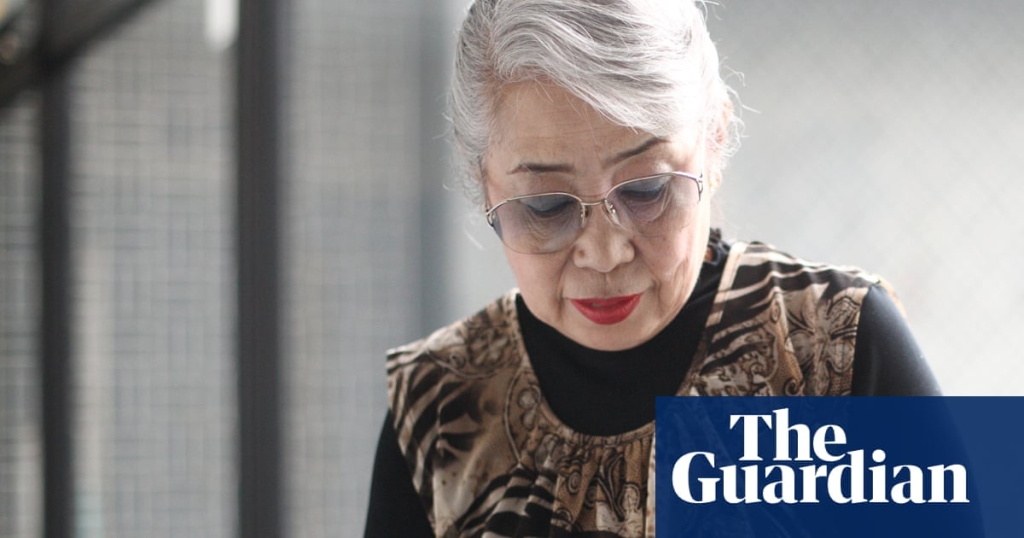
Japan’s Digital Dilemma: Elderly Citizens Navigate the Smartphone Revolution as 3G Networks Fade into History
In the bustling suburbs of Nerima, Tokyo, a group of five determined individuals sits in a classroom, their faces illuminated by the glow of smartphone screens. But unlike the tech-savvy youth who instinctively swipe and tap, these students are embarking on a digital journey that feels more like deciphering ancient hieroglyphics than using modern technology.
“I can’t deal with all of the apps that jump out at me,” confesses one participant, her brow furrowed in concentration. Another chimes in with a question that resonates across generations: “How do I know if I’ve definitely ended a call?”
These are the voices of Japan’s elderly population, bravely confronting the smartphone revolution that has left their beloved flip phones—affectionately known as garakei—in the digital dust. Led by the patient guidance of Yasushi Nishioka, a retired IT programmer, these five students are determined not to be left behind in an increasingly connected world.
“Please don’t feel like you need to remember everything,” Nishioka reassures them, his voice calm and encouraging. “It’s just a question of holding it in your hand and getting used to it.”
The stakes are high for these students, most of whom are in their 70s. Japan’s major telecom companies have been systematically shutting down their 3G networks, with NTT Docomo becoming the last to pull the plug in March. This digital transition has affected an estimated half a million people and more than 400 phone models, leaving many elderly citizens facing a stark choice: embrace the smartphone or risk digital isolation.
The garakei phones, a portmanteau of Galápagos (referring to their domestic market exclusivity) and keitai denwa (mobile phone), were once ubiquitous in Japan. But as the first iPhone arrived in 2008, the writing was on the wall for these iconic devices. Today, while some flip phones are still compatible with 4G, the march toward smartphones continues unabated.
In Nishioka’s two-hour class, students learn the basics: turning their phones on and off, controlling volume, scrolling, and pinching in and out. But the curriculum goes beyond mere functionality. Cashless payments, QR codes, health trackers, and weather forecasts are all on the agenda, reflecting the practical needs and interests of this mature audience.
“If you use your phone only for admin it will quickly get boring,” Nishioka promises, teasing future lessons on entertainment, social media, and multimedia content. But the elephant in the room—or rather, the screen—is security. With Japan’s large population of over-65s often targeted by online scams, Nishioka emphasizes caution: “If you have any doubts at all, just ignore the message or call.”
The participants’ reasons for making the switch are surprisingly relatable, cutting across generational lines. From reserving tickets for musicals to joining WhatsApp groups, learning foreign languages, and making travel plans, these seniors are discovering that smartphones can enhance their lives in ways they never imagined.
Yet, as Nishioka reveals, there’s one universal grievance that unites users of all ages: “Managing their passwords.” It’s a reminder that in our increasingly digital world, some challenges are truly timeless.
As the class concludes, Hiroko Kanda reflects on her experience: “When I bought my smartphone I turned it on and the number of icons was so confusing I had no idea what to do. It’s taking me a while to get used to it.” Her classmate, who preferred to remain anonymous, admits to still using her 4G garakei alongside her new iPhone, but appreciates the weather and travel planner apps that have become part of her daily routine.
These students represent a broader trend in Japan and across the globe, as older generations navigate the complexities of modern technology. Their journey is not just about learning to use a new device; it’s about staying connected, maintaining independence, and embracing the opportunities that digital literacy can bring in their golden years.
As Japan continues its digital transformation, stories like these serve as a poignant reminder of the human side of technological progress. In classrooms across the country, elderly citizens are proving that it’s never too late to learn, adapt, and thrive in an ever-changing digital landscape.
Tags:
- Japan smartphone revolution
- Elderly digital literacy
- 3G network shutdown
- Garakei phones
- Tokyo tech classes
- Digital inclusion seniors
- Smartphone basics for elderly
- Japan telecom transition
- Digital isolation prevention
- Elderly smartphone adoption
Viral Phrases:
- “I can’t deal with all of the apps that jump out at me”
- “How do I know if I’ve definitely ended a call?”
- “It’s just a question of holding it in your hand and getting used to it”
- “If you use your phone only for admin it will quickly get boring”
- “Managing their passwords”
- “I didn’t have the confidence to make the switch”
- “The number of icons was so confusing I had no idea what to do”
- “It’s taking me a while to get used to it”
- “I still use my garakei on 4G”
- “The smartphone anxious”
,


Leave a Reply
Want to join the discussion?Feel free to contribute!