
Mirai Variant Nexcorium Exploits CVE-2024-3721 to Hijack TBK DVRs for DDoS Botnet
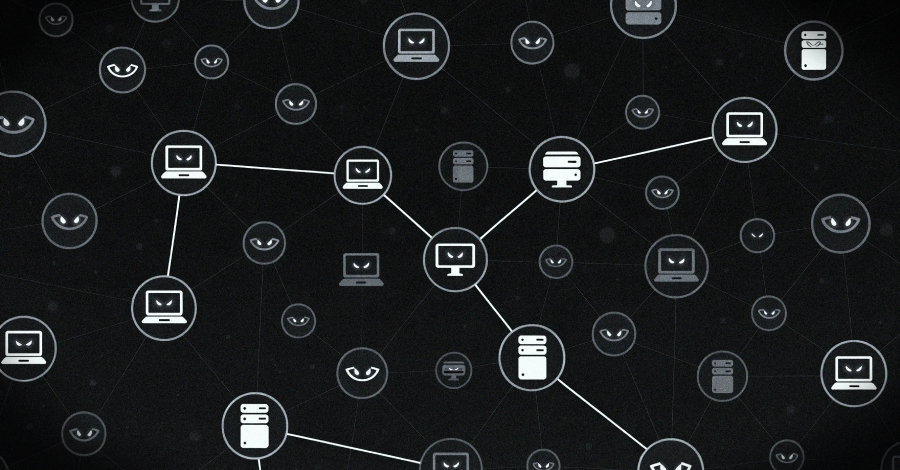
Critical Vulnerabilities in TBK DVRs and TP-Link Routers Open Door to Mirai Botnet Resurgence
By TechWatch Newsroom • March 15, 2025 • 12:30 PM EST
In a coordinated cyber campaign that security researchers are calling “alarmingly effective,” threat actors have successfully weaponized known vulnerabilities in TBK DVR surveillance systems and end-of-life TP-Link Wi-Fi routers to deploy sophisticated Mirai botnet variants across thousands of compromised devices worldwide.
The discovery, made independently by two of the cybersecurity industry’s most respected research teams—Fortinet’s FortiGuard Labs and Palo Alto Networks’ Unit 42—reveals a disturbing trend in modern botnet operations that combines technical sophistication with opportunistic targeting of legacy infrastructure.
The Technical Anatomy of the Attack
The primary attack vector identified by Fortinet researchers targets a medium-severity command injection vulnerability tracked as CVE-2024-3721, which carries a CVSS (Common Vulnerability Scoring System) rating of 6.3. This vulnerability affects TBK DVR devices, which are widely deployed in surveillance systems across small businesses, retail locations, and residential properties throughout North America and Europe.
Command injection vulnerabilities are particularly dangerous because they allow attackers to execute arbitrary commands on the underlying operating system of the affected device. In this case, the flaw exists in the DVR’s web interface, where improper input validation enables attackers to inject malicious commands that the device executes with elevated privileges.
Once successfully exploited, the vulnerability provides attackers with a foothold that enables them to download and execute malicious payloads directly onto the compromised DVR. The payload in question is a variant of the infamous Mirai botnet malware, which has evolved significantly since its initial discovery in 2016.
The TP-Link Router Campaign
Simultaneously, Palo Alto Networks Unit 42 researchers uncovered a parallel campaign targeting end-of-life TP-Link Wi-Fi routers. These devices, which have reached their end-of-support lifecycle, no longer receive security updates or patches from the manufacturer, making them particularly vulnerable to exploitation.
The attackers appear to be using a different exploitation technique for the TP-Link devices, though the end goal remains identical: deploying Mirai botnet variants to create a massive network of compromised devices that can be leveraged for distributed denial-of-service (DDoS) attacks, cryptocurrency mining, and other malicious activities.
The Evolution of Mirai
The resurgence of Mirai-based botnets is particularly concerning for cybersecurity professionals. The original Mirai malware, discovered in 2016, was responsible for some of the largest DDoS attacks in internet history, including the attack that took down major websites like Twitter, Netflix, and Reddit.
Since then, the malware has undergone significant evolution. Modern Mirai variants include enhanced persistence mechanisms, improved command-and-control infrastructure, and the ability to exploit a wider range of vulnerabilities across different device types. The current campaigns demonstrate that threat actors have refined their techniques to target specific vulnerabilities with surgical precision.
Scale and Impact Assessment
While neither Fortinet nor Palo Alto Networks has provided exact figures on the number of compromised devices, industry experts estimate that the campaigns have successfully infected thousands of devices across multiple continents. The geographic distribution suggests a global operation with particular concentration in regions where TBK DVRs and older TP-Link routers remain in active use.
The potential impact of these compromised devices is substantial. A botnet of this size could generate DDoS attacks exceeding 500 Gbps, enough to overwhelm most corporate networks and many internet service providers. Additionally, the infected devices could be used for credential stuffing attacks, spam distribution, or as stepping stones for lateral movement into corporate networks.
The Legacy Device Problem
This incident highlights a critical challenge in modern cybersecurity: the persistent threat posed by legacy and end-of-life devices. Many organizations continue operating older hardware long after manufacturers have ceased providing security updates, often due to budget constraints, compatibility issues, or simple oversight.
TBK DVRs and older TP-Link routers represent exactly the type of devices that fall into this category. While they may continue functioning adequately for their intended purposes, their lack of security updates makes them ticking time bombs in an increasingly hostile threat landscape.
Mitigation Strategies and Recommendations
Security experts are urging organizations to take immediate action to protect their networks from these threats. The recommendations include:
Immediate Patching: Organizations using TBK DVRs should apply the security patches released by the manufacturer to address CVE-2024-3721. For TP-Link routers that have reached end-of-life, the only viable solution is replacement with supported hardware.
Network Segmentation: Critical infrastructure and surveillance systems should be isolated from general network traffic to limit the potential impact of compromised devices.
Regular Security Audits: Organizations should conduct periodic audits of their network infrastructure to identify and address legacy devices that may pose security risks.
Firmware Updates: All network devices should be kept updated with the latest firmware releases, and organizations should establish procedures for timely patch management.
Device Retirement Planning: Organizations should develop clear policies for hardware retirement and replacement, ensuring that end-of-life devices are removed from service before they become security liabilities.
The Broader Implications
Beyond the immediate technical concerns, this campaign raises important questions about the long-term sustainability of current approaches to IoT security. The proliferation of connected devices, many of which receive limited or no security updates throughout their operational lifespan, creates an expanding attack surface that threat actors are increasingly willing to exploit.
Industry analysts suggest that this incident may accelerate discussions around mandatory security standards for IoT devices, extended support obligations for manufacturers, and the development of more robust mechanisms for device authentication and security update distribution.
Looking Forward
As threat actors continue to refine their techniques and expand their targeting criteria, the cybersecurity community faces an ongoing challenge in protecting the expanding ecosystem of connected devices. The successful exploitation of TBK DVRs and TP-Link routers demonstrates that even well-understood vulnerabilities can be leveraged effectively when organizations fail to maintain proper security hygiene.
The coming months will likely see increased scrutiny of IoT security practices, with regulators, industry groups, and security researchers pushing for more comprehensive approaches to protecting the billions of connected devices that now form the backbone of modern digital infrastructure.
For organizations currently using TBK DVRs or older TP-Link routers, the message from security experts is clear: the time to act is now. The vulnerabilities being exploited in these campaigns are well-documented, and the potential consequences of inaction could be severe.
Tags & Viral Phrases:
Mirai botnet resurgence 2025
TBK DVR security vulnerability
TP-Link router exploit
CVE-2024-3721 critical flaw
IoT botnet attacks escalating
Legacy device cybersecurity nightmare
Fortinet FortiGuard Labs discovery
Palo Alto Networks Unit 42 research
Command injection vulnerability exposed
End-of-life router security crisis
Surveillance system hacking campaign
Massive DDoS attack potential
IoT security standards needed now
Cybercriminals weaponizing old tech
Network infrastructure under siege
Zero-day IoT exploitation revealed
Botnet malware evolution 2025
Critical infrastructure vulnerability
Security patch emergency alert
Digital surveillance system breach
,


Leave a Reply
Want to join the discussion?Feel free to contribute!