
AI Reveals Explosive Growth of Floating Algae Across the World’s Oceans
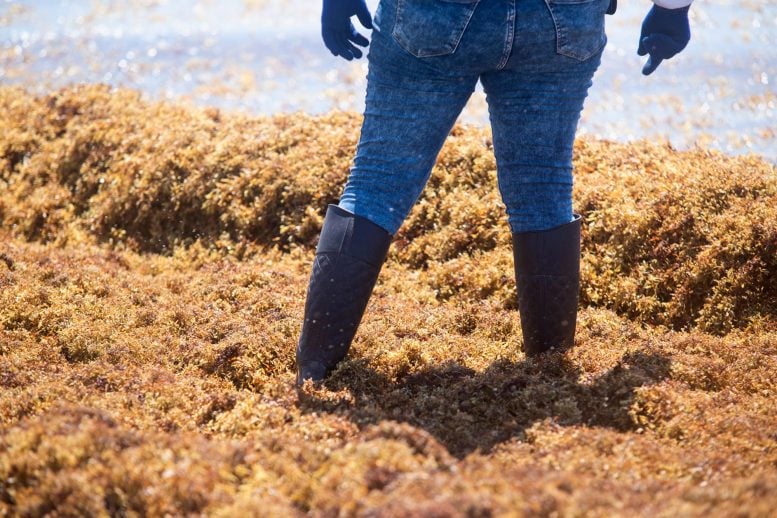
AI Uncovers Explosive Growth of Floating Algae Across the World’s Oceans
In a groundbreaking development that merges artificial intelligence with marine science, researchers have unveiled the first global analysis of floating algae blooms—and the findings are both astonishing and alarming. Using advanced machine learning algorithms, scientists have detected a dramatic surge in macroalgae proliferation across the planet’s oceans, revealing a complex interplay between environmental change and marine ecosystems.
The study, published in a leading environmental science journal, leverages AI to sift through decades of satellite imagery, oceanographic data, and climate records. This unprecedented computational power has allowed researchers to map the spread of algae blooms with precision previously unattainable. The results paint a vivid picture: vast mats of floating algae, including notorious species like Sargassum, are expanding at an unprecedented rate, blanketing coastlines and disrupting marine life.
What makes this discovery particularly significant is the AI’s ability to identify patterns invisible to the human eye. By analyzing subtle shifts in ocean temperature, current dynamics, and nutrient concentrations, the machine learning models have pinpointed the drivers behind this explosive growth. Warmer waters, altered circulation patterns, and nutrient runoff from agriculture and urban areas are creating a “perfect storm” for algae proliferation.
The implications are far-reaching. While algae play a vital role in marine ecosystems, excessive blooms can suffocate coral reefs, deplete oxygen levels, and release toxins harmful to marine life and humans alike. Coastal communities, particularly in the Caribbean and West Africa, are already grappling with the economic and ecological fallout of massive Sargassum influxes, which foul beaches, damage fisheries, and deter tourism.
What sets this study apart is not just its scale, but its potential to inform future conservation strategies. By harnessing AI, scientists can now predict where and when blooms are likely to occur, enabling proactive measures to mitigate their impact. This could include targeted nutrient management, early warning systems for coastal communities, and even innovative uses for harvested algae, such as biofuel production or sustainable packaging materials.
The research also underscores the transformative power of AI in environmental science. Traditional methods of monitoring ocean health are labor-intensive and limited in scope. Machine learning, however, can process vast datasets in real time, uncovering trends and correlations that would otherwise remain hidden. This approach not only accelerates scientific discovery but also democratizes access to critical environmental insights.
As the world grapples with the twin challenges of climate change and biodiversity loss, this study serves as a stark reminder of the interconnectedness of Earth’s systems. The explosive growth of floating algae is not an isolated phenomenon but a symptom of broader environmental shifts. By shining a light on these changes, AI is helping humanity navigate an uncertain future—one where technology and nature must work in harmony to safeguard the planet.
Tags and Viral Phrases:
- AI reveals explosive growth of floating algae
- Global analysis of ocean blooms
- Machine learning uncovers marine ecosystem changes
- Sargassum invasion threatens coastlines
- Ocean temperature and algae proliferation
- AI predicts algae bloom hotspots
- Nutrient runoff fuels algae explosion
- Climate change and marine ecosystems
- AI transforms environmental science
- Coastal communities face algae crisis
- Innovative uses for harvested algae
- Technology meets nature in ocean research
- Real-time monitoring of ocean health
- Biodiversity loss and algae blooms
- Proactive measures against algae invasions
,


Leave a Reply
Want to join the discussion?Feel free to contribute!