
What Is The ‘Green Wave’ When It Comes To Traffic Lights?
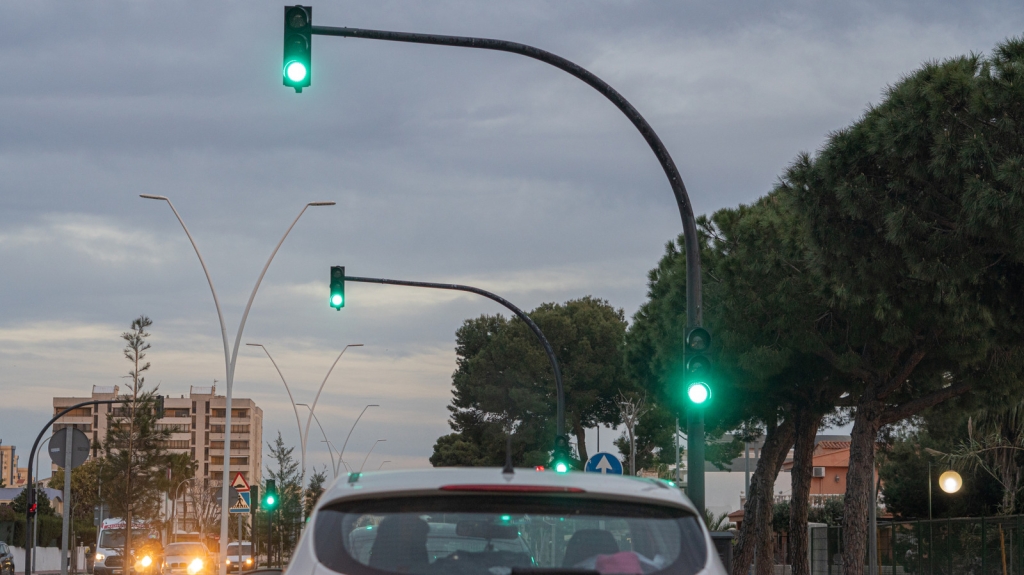
The Green Wave: The Secret Traffic Light System That’s Changing the Way We Drive
Traffic lights—those ubiquitous red, yellow, and green signals that dictate the flow of vehicles on our roads—are often a source of frustration for drivers. Whether you’re stuck at a red light during your morning commute or inching forward in bumper-to-bumper traffic, it’s easy to forget the critical role these devices play in keeping our roads safe. But what if we told you there’s a hidden system designed to make your drive smoother, faster, and even more eco-friendly? Enter the “Green Wave,” a traffic management strategy that’s transforming urban driving experiences worldwide.
The Evolution of Traffic Lights
Traffic lights have come a long way since their inception in the late 1860s. The first electric traffic signals appeared around 1912, and by the 1920s, they had adopted the now-familiar red, yellow, and green color scheme. Over the decades, these devices have evolved to incorporate advanced technology, from sensors that detect vehicle presence to adaptive systems that adjust timing based on real-time traffic conditions.
Despite their importance, traffic lights remain a point of contention for many drivers. The frustration of waiting at a red light, especially when you’re in a hurry, is universal. But what if there was a way to minimize those stops and keep traffic flowing smoothly? That’s where the Green Wave comes in.
What Is the Green Wave?
The Green Wave is a traffic management technique designed to synchronize traffic lights along a route to create a seamless flow of green lights for drivers. When implemented correctly, it allows vehicles to travel at a steady speed without encountering red lights, effectively creating a “wave” of green signals.
This system is particularly effective on high-traffic roads in urban areas, where congestion is a daily challenge. By coordinating the timing of traffic lights, cities can reduce stop-and-go traffic, improve travel times, and even lower emissions. It’s not magic—it’s smart engineering.
How Does the Green Wave Work?
The concept behind the Green Wave is surprisingly simple. Traffic engineers synchronize the lights along a route so that they all turn green at the same time and remain green for a set duration. This timing is carefully calculated to match the speed limit and traffic flow, ensuring that drivers who maintain the optimal speed can pass through multiple intersections without stopping.
For example, if you’re driving on a road with a speed limit of 30 mph and the Green Wave is active, you’ll likely encounter a series of green lights as long as you maintain that speed. If you speed up or slow down, you might hit a red light, breaking the wave.
The Benefits of the Green Wave
The Green Wave offers several advantages for both drivers and cities:
- Reduced Travel Times: By minimizing stops, the Green Wave helps drivers reach their destinations faster.
- Improved Traffic Flow: Synchronized lights reduce congestion and keep traffic moving smoothly.
- Environmental Benefits: Less idling at red lights means lower fuel consumption and reduced greenhouse gas emissions.
- Enhanced Safety: Consistent traffic flow can reduce the likelihood of accidents caused by sudden stops or aggressive driving.
Where Is the Green Wave Used?
The Green Wave is most commonly found in densely populated urban areas with high traffic volumes. Cities like Copenhagen, Amsterdam, and Portland have successfully implemented this system to improve traffic flow and reduce congestion. In some cases, cities have gone a step further by restricting left turns or even right turns in certain areas to further optimize traffic patterns.
The Future of Traffic Management
As cities continue to grow and traffic congestion becomes an increasingly pressing issue, innovative solutions like the Green Wave will play a crucial role in shaping the future of transportation. While it’s unlikely that traffic lights will disappear anytime soon, advancements in technology—such as smart traffic systems and autonomous vehicles—could further enhance the effectiveness of the Green Wave and other traffic management strategies.
So, the next time you find yourself cruising through a series of green lights, take a moment to appreciate the engineering marvel that made it possible. The Green Wave isn’t just a convenience—it’s a testament to the power of smart urban planning and its potential to make our cities more livable, sustainable, and efficient.
Tags: Green Wave, traffic lights, traffic management, urban planning, congestion, eco-friendly driving, smart cities, synchronized traffic signals, commuting, transportation innovation.
Viral Phrases:
- “The secret traffic light system that’s changing the way we drive.”
- “How cities are using the Green Wave to beat traffic congestion.”
- “The eco-friendly traffic solution you’ve never heard of.”
- “Why you’re suddenly hitting all the green lights on your commute.”
- “The future of traffic management is here—and it’s green.”
- “Driving through a Green Wave: The ultimate urban hack.”
- “How synchronized traffic lights are saving the planet, one green light at a time.”
- “The Green Wave: The unsung hero of your daily commute.”
- “Traffic lights just got a whole lot smarter.”
- “The Green Wave is the traffic solution cities have been waiting for.”
,


Leave a Reply
Want to join the discussion?Feel free to contribute!