
WWDC 2026's focus will be on iOS 27's Siri overhaul
Apple’s WWDC 2026: The Siri Overhaul That Could Redefine AI Interaction
Apple’s Worldwide Developers Conference (WWDC) 2026, scheduled for June 8-12, is shaping up to be one of the most pivotal events in the company’s recent history, with industry insiders suggesting that the conference will center primarily on a comprehensive Siri overhaul that could fundamentally transform how users interact with Apple’s ecosystem.
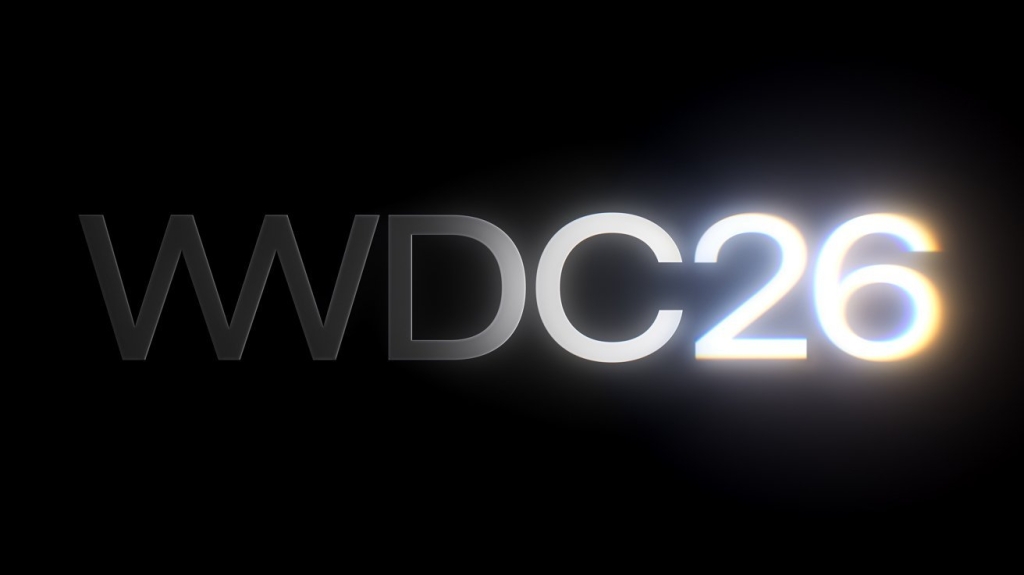
The anticipation surrounding this year’s developer conference has reached fever pitch, particularly after eagle-eyed observers began dissecting the WWDC 2026 logo for hidden clues about what Apple has in store. According to Bloomberg’s Mark Gurman, the conference’s visual identity—featuring the prominent “26” rendered in a glowing, ethereal white-light aesthetic—may be more than just a design choice. It appears to be a deliberate hint at Siri’s impending transformation in iOS 27.
The Siri Revolution: Apple’s AI Moment of Truth
For years, Apple has faced mounting pressure to modernize Siri, which many critics have dismissed as lagging behind competitors like Amazon’s Alexa, Google Assistant, and especially OpenAI’s ChatGPT. The AI assistant, once revolutionary when it debuted in 2011, has struggled to keep pace with the rapid advancements in natural language processing and conversational AI that have defined the past decade.
Sources familiar with Apple’s development roadmap suggest that iOS 27 will introduce a Siri that bears little resemblance to its current incarnation. The overhaul reportedly encompasses not just superficial interface changes but a complete architectural reimagining of how Siri processes requests, understands context, and delivers responses.
The white-light motif visible in the WWDC 2026 logo appears to be a visual metaphor for this transformation. Industry analysts interpret the glowing aesthetic as representing Siri’s evolution from a rigid, command-based assistant to a more fluid, conversational entity capable of understanding nuanced requests and maintaining context across multiple interactions.
iOS 27: Beyond Siri
While Siri will undoubtedly dominate headlines, Apple’s upcoming operating system update promises a suite of enhancements across the entire iOS ecosystem. The company is reportedly working on what insiders describe as “iOS 27’s blown-out white-light appearance,” suggesting a visual refresh that aligns with the conference’s branding.
This design direction appears to emphasize minimalism and clarity, potentially moving away from the current iOS aesthetic toward something more ethereal and immersive. The white-light theme could manifest in various ways throughout the operating system, from translucent interface elements to dynamic lighting effects that respond to user interactions.
iPadOS 27 and macOS 27 are expected to receive similar treatment, with Apple aiming for visual and functional consistency across its device ecosystem. This unified approach would mark a significant departure from previous years, where each operating system received largely independent updates with varying degrees of feature parity.
The Developer Conference Context
WWDC has historically served as Apple’s platform for unveiling major software initiatives, but the 2026 conference carries particular weight given the current technological landscape. The AI arms race has intensified dramatically, with competitors releasing increasingly sophisticated language models and AI assistants at a breakneck pace.
Apple’s traditionally cautious approach to AI development has drawn criticism from some quarters, with the company accused of falling behind in the generative AI revolution that has captivated the tech industry since late 2022. However, this conservative strategy may be paying dividends as Apple reportedly takes a more deliberate approach to AI integration, focusing on privacy-preserving implementations and seamless user experiences rather than flashy demonstrations.
The developer conference format provides Apple with the perfect opportunity to showcase these advancements to its most important stakeholders—the developers who create the applications that make the Apple ecosystem compelling. WWDC 2026 will likely feature extensive sessions on how developers can leverage the new Siri capabilities and other iOS 27 features to enhance their applications.
Market Implications and Competitive Landscape
The timing of this Siri overhaul could not be more critical for Apple. The company faces increasing pressure on multiple fronts: declining iPhone sales in key markets, regulatory scrutiny in the United States and Europe, and intensifying competition from Android manufacturers who have successfully narrowed the gap in areas like camera technology, display quality, and overall user experience.
A genuinely transformative Siri could serve as a significant differentiator, potentially driving upgrades among users who have been hesitant to move to newer iPhone models. The AI assistant’s improved capabilities might also encourage deeper integration with third-party services and applications, creating new revenue opportunities through enhanced App Store dynamics.
However, Apple faces the challenge of meeting heightened expectations while maintaining its commitment to user privacy—a cornerstone of the company’s brand identity. Competitors have been more aggressive in their data collection practices to fuel AI improvements, while Apple has consistently positioned itself as the privacy-conscious alternative. Balancing these competing priorities will be crucial for the success of the Siri overhaul.
Technical Underpinnings and Implementation Challenges
While specific technical details remain closely guarded, industry experts speculate that the Siri overhaul likely involves significant advancements in several key areas:
Natural Language Understanding: The new Siri is expected to demonstrate vastly improved comprehension of complex, multi-part requests and better handling of ambiguous language. This would address one of the most persistent criticisms of the current implementation.
Contextual Awareness: Enhanced ability to maintain conversation threads across multiple interactions and understand the user’s current context (location, activity, time of day) to provide more relevant assistance.
On-Device Processing: Consistent with Apple’s privacy philosophy, much of the AI processing is likely to occur on the device itself rather than in the cloud, though this approach presents significant computational challenges.
Multimodal Capabilities: Integration of text, voice, and potentially visual inputs to create a more versatile and intuitive interaction model.
The implementation of these features across Apple’s diverse hardware ecosystem presents considerable technical challenges. Older devices may not have the computational power to support all the new Siri capabilities, potentially creating fragmentation within the iOS user base—a scenario Apple typically strives to avoid.
The Broader AI Strategy
The Siri overhaul appears to be just one component of a broader AI strategy that Apple has been developing. Industry analysts suggest that iOS 27 may introduce additional AI-powered features across various system applications, from enhanced photo organization and editing capabilities to more intelligent notification management and predictive text input.
This comprehensive approach to AI integration reflects Apple’s philosophy of embedding intelligence throughout the user experience rather than creating standalone AI products. The company appears to be betting that users will value subtle, consistently helpful AI features more than dramatic but potentially gimmicky demonstrations.
Looking Ahead: What to Expect at WWDC 2026
As the conference approaches, speculation continues to mount about what Apple will actually reveal. The company’s history of carefully orchestrated product launches suggests that the Siri overhaul will be presented as part of a cohesive vision for the future of human-computer interaction.
Developers attending the conference in person or virtually will be eager to learn about the tools and APIs that will enable them to integrate with the new Siri capabilities. The success of the overhaul will ultimately depend not just on the technology itself but on how effectively Apple can cultivate a robust ecosystem of third-party integrations.
The June 8 kickoff keynote will likely provide the first comprehensive look at iOS 27, with subsequent developer sessions diving into technical details. Beta releases will follow shortly after, allowing developers and public beta testers to begin exploring the new features ahead of the public launch expected in September alongside new iPhone models.
Whether the Siri overhaul will be transformative enough to silence critics and reassert Apple’s leadership in the AI space remains to be seen. However, the level of attention and speculation surrounding WWDC 2026 suggests that the stakes have never been higher for Apple’s digital assistant—and potentially for the company’s broader competitive position in the rapidly evolving technology landscape.
Tags and Viral Phrases
- WWDC 2026
- Siri overhaul
- iOS 27
- Apple AI revolution
- White-light interface
- Siri transformation
- Apple’s AI moment of truth
- Conversational AI breakthrough
- Siri 2.0
- Apple’s privacy-first AI
- Siri vs ChatGPT
- iOS 27 redesign
- Apple’s Siri comeback
- AI arms race
- Siri contextual awareness
- Apple’s AI strategy
- WWDC 2026 predictions
- Siri natural language processing
- Apple ecosystem integration
- Siri multimodal capabilities
- iOS 27 features
- Apple’s AI future
- Siri privacy features
- Apple developer conference
- Siri intelligence upgrade
- iOS 27 beta
- Apple’s AI leadership
- Siri user experience
- Apple’s AI announcement
- WWDC 2026 keynote
- Siri on-device processing
- iOS 27 release date
- Apple’s AI ecosystem
- Siri third-party integrations
- Apple AI competition
- iOS 27 design language
- Siri conversational abilities
- Apple’s AI roadmap
- Siri feature parity
- iOS 27 visual refresh
- Apple’s AI innovation
- Siri contextual understanding
- iOS 27 developer tools
- Apple’s AI implementation
- Siri intelligent assistant
- iOS 27 system apps
- Apple’s AI philosophy
- Siri user adoption
- iOS 27 hardware requirements
- Apple’s AI timeline
,


Leave a Reply
Want to join the discussion?Feel free to contribute!