
Hospital-acquired pneumonia reduced by daily toothbrushing
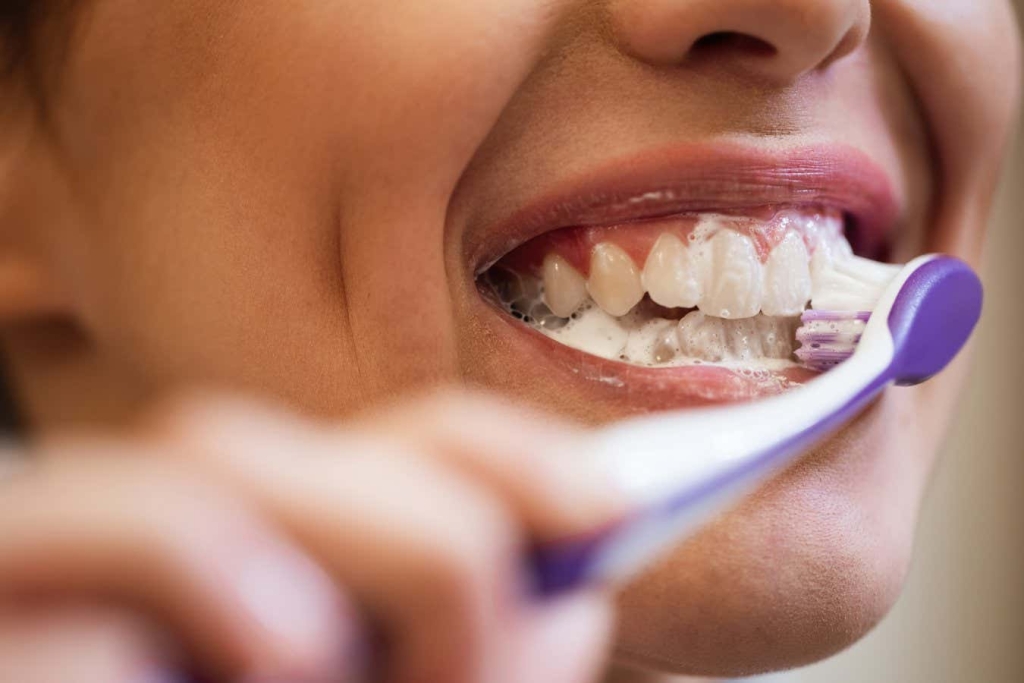
Revolutionary Hospital Study Reveals Simple Brushing Routine Could Slash Pneumonia Risk by 60%
In a groundbreaking medical discovery that’s sending shockwaves through the healthcare community, researchers have uncovered what might be the simplest, most cost-effective intervention to dramatically reduce hospital-acquired pneumonia: regular tooth brushing.
The study, presented today at the prestigious ESCMID Global Congress in Munich, Germany, represents the largest randomized controlled trial of its kind, involving an impressive 8,870 patients across three major Australian hospitals. The results? Nothing short of extraordinary.
“For years, we’ve overlooked something as basic as oral hygiene in hospital settings,” explains Dr. Brett Mitchell from Avondale University, the study’s lead researcher. “This research fundamentally changes how we should approach patient care during hospital stays.”
The statistics are staggering. Patients who were provided with toothbrushes, toothpaste, and dental care guidance experienced a 60% reduction in developing non-ventilator-associated hospital-acquired pneumonia. To put that in perspective, the incidence dropped from 1 case per 100 admission days in the control group to just 0.41 cases in the intervention group.
But what makes this study truly revolutionary isn’t just the impressive numbers—it’s the elegant simplicity of the intervention. While healthcare systems worldwide invest billions in complex medical equipment and sophisticated treatments, this research suggests that something as basic as maintaining oral hygiene could be a game-changer in preventing one of the most common and deadly healthcare-associated infections.
The oral microbiome connection provides fascinating insight into why this works. When patients are hospitalized, their oral bacterial communities undergo significant changes. These altered bacterial populations can be aspirated into the lungs, potentially leading to pneumonia. By maintaining regular oral hygiene, patients can help maintain a healthier oral microbiome and reduce the risk of harmful bacteria colonizing their respiratory system.
The study’s methodology was particularly thorough. Researchers divided participating hospitals into three groups, with each implementing the tooth brushing intervention at different time intervals throughout the year-long study. This approach allowed for robust comparison and helped eliminate potential confounding variables.
During the intervention periods, patient participation was remarkable. While only 15.9% of patients brushed their teeth daily without intervention, this number skyrocketed to 61.5% during the active intervention periods. On average, patients brushed 1.5 times per day when provided with the proper tools and information.
The research team went beyond simply providing toothbrushes. They developed a comprehensive approach that included specially designed toothbrushes with ergonomic handles for patients with reduced dexterity, QR codes linking to educational materials, and extensive training for nursing staff. Healthcare workers received specific guidance on how to encourage and assist patients with their oral hygiene routines.
“This study is intriguing,” notes Dr. Michael Klompas from Harvard University, who wasn’t involved in the research. “The message is that brushing teeth while in hospital is not only good for one’s oral hygiene and sense of well-being, but it may also literally be life-saving.”
The implications extend far beyond the impressive statistics. Hospital-acquired pneumonia is associated with longer hospital stays, significantly higher healthcare costs, and increased mortality rates. By implementing such a simple intervention, hospitals could potentially save millions in healthcare costs while improving patient outcomes.
Dr. Pyry Sipilä from the University of Helsinki emphasizes the significance of these findings. “I appreciate the importance of such a significant risk improvement based on such a simple intervention. Basically, the patients were just provided with toothbrushes, toothpaste, and advice.”
However, researchers caution that results might vary depending on the reasons for hospitalization and patients’ usual oral hygiene habits. The study focused on non-ventilated patients, though the findings could have implications for ventilated patients as well, given the known connection between ventilator use and pneumonia risk.
The research team has developed the HAPPEN (Hospital-Acquired Pneumonia Prevention) website, which serves as a comprehensive resource for both patients and healthcare providers. The site offers educational materials, professional guidelines, and practical advice for implementing oral care protocols in hospital settings.
This discovery comes at a crucial time when healthcare systems worldwide are seeking cost-effective ways to improve patient outcomes and reduce hospital-acquired infections. The beauty of this intervention lies in its simplicity, affordability, and ease of implementation.
As hospitals begin to implement these findings, patients and healthcare providers alike are recognizing that sometimes the most effective medical interventions aren’t the most complex or expensive ones. Sometimes, they’re as simple as remembering to brush your teeth.
The study represents a paradigm shift in how we approach hospital-acquired infections. It challenges the assumption that preventing serious complications requires complex medical interventions and reminds us that basic hygiene practices can have profound impacts on health outcomes.
Moving forward, this research could lead to updated hospital protocols worldwide, with oral hygiene becoming a standard part of patient care. The potential benefits are enormous: reduced healthcare costs, shorter hospital stays, fewer complications, and most importantly, saved lives.
As Dr. Mitchell concludes, “This just really enforces the need for communication with patients about pneumonia risk, and the importance of oral care and brushing their teeth while in hospital.” Sometimes, the simplest solutions are the most powerful ones.
HospitalHygieneRevolution #PneumoniaPrevention #SimpleSolutions #HealthcareInnovation #OralHealthMatters #MedicalBreakthrough #PatientCare #HealthcareHeroes #InfectionControl #LifeSavingHabits #MedicalResearch #HospitalSafety #HealthTips #WellnessWednesday #ScienceSavesLives #PublicHealth #MedicalNews #HealthcareTransformation #PreventiveMedicine #PatientSafetyFirst
,


Leave a Reply
Want to join the discussion?Feel free to contribute!