
The Paramilitary ICE and CBP Units at the Center of Minnesota's Killings
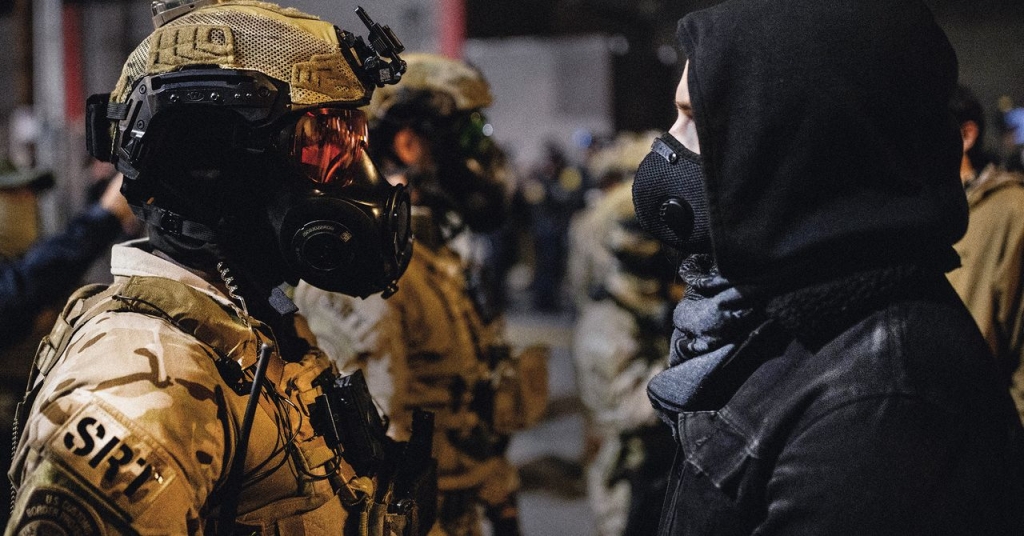
DHS Agents in Minneapolis Linked to Highly Militarized Units Amid Controversial Fatal Shootings
In a development that has sent shockwaves through both law enforcement and civil rights communities, two federal agents involved in the fatal shootings of U.S. citizens in Minneapolis are reportedly members of elite, heavily militarized units within the Department of Homeland Security (DHS). These units, known for their extreme operational tactics and aggressive protocols, are typically deployed in conflict zones and high-risk international theaters rather than domestic urban settings.
The incidents, which occurred earlier this month in north Minneapolis, have reignited fierce debates over the militarization of U.S. law enforcement and the expanding role of federal agencies in local policing. Eyewitness accounts and leaked internal documents suggest that the agents were operating under protocols more commonly associated with counterinsurgency operations than community policing.
According to sources familiar with DHS operations, the agents belong to specialized tactical units that receive advanced combat training, including close-quarters battle tactics, urban warfare simulations, and the use of military-grade equipment such as armored vehicles, automatic weapons, and less-lethal munitions designed for crowd control in hostile environments. These units, often referred to internally as “high-threat response teams,” are rarely deployed on U.S. soil unless responding to large-scale terrorist threats or national security emergencies.
The Minneapolis Police Department has stated that the agents were assisting in a joint operation targeting suspected organized crime activity. However, community leaders and legal experts have questioned the appropriateness of deploying such heavily armed personnel in a civilian context, particularly in neighborhoods already strained by tensions between law enforcement and residents.
“This is not policing—it’s an occupation,” said one Minneapolis resident who witnessed the aftermath of the shootings. “These agents looked like they were ready for war, not for keeping the peace in our streets.”
Civil liberties organizations have condemned the use of militarized DHS units in domestic operations, warning that such tactics erode public trust and escalate violence rather than prevent it. The American Civil Liberties Union (ACLU) has called for an immediate investigation into the agents’ deployment and the circumstances surrounding the deaths.
“This is a dangerous precedent,” said a spokesperson for the ACLU. “When federal agents trained for war zones are unleashed in American cities, it sends a chilling message to communities already vulnerable to over-policing and state violence.”
The DHS has defended its agents’ actions, stating that they were operating within the bounds of their authority and following established protocols. However, the agency has declined to release body camera footage or detailed operational reports, citing ongoing investigations and national security concerns.
The controversy comes at a time of heightened scrutiny over federal law enforcement’s role in domestic affairs, particularly following high-profile incidents involving aggressive federal responses to protests and civil unrest in recent years. Critics argue that the expansion of militarized units into everyday policing represents a troubling shift away from community-based approaches to public safety.
Legal analysts note that the use of such units in non-combat settings raises complex questions about accountability, oversight, and the appropriate limits of federal power. Unlike local police departments, which are subject to state and municipal regulations, federal tactical units often operate with greater autonomy and less transparency.
The families of the victims have demanded answers and accountability, calling for independent investigations and reforms to prevent similar tragedies in the future. Community activists have organized vigils and protests, urging policymakers to rein in the militarization of law enforcement and prioritize de-escalation and community engagement.
As the investigation unfolds, the case has drawn national attention, with lawmakers, civil rights advocates, and law enforcement experts weighing in on the broader implications for policing in America. The incidents in Minneapolis serve as a stark reminder of the ongoing tensions between security and civil liberties in an era of increasing federal involvement in local law enforcement.
For now, the community remains on edge, grappling with the loss of life and the unsettling realization that the tactics of war may have been brought to their doorstep. The outcome of this case could have far-reaching consequences for the future of policing, the role of federal agencies, and the balance between public safety and individual rights in the United States.
Tags, Viral Words, and Phrases:
- DHS agents militarized units
- Minneapolis fatal shootings
- War zone tactics in US cities
- Federal law enforcement militarization
- Community outrage over police tactics
- Civil liberties under threat
- ACLU condemns DHS actions
- Accountability for federal agents
- Urban warfare policing
- High-threat response teams
- National security vs. civil rights
- Body camera footage withheld
- Independent investigation demanded
- Community protests and vigils
- De-escalation vs. militarization
- Federal overreach in local policing
- Tragic loss of life in Minneapolis
- Policing in America debate
- Public trust in law enforcement
- State violence concerns
- Less-lethal munitions controversy
- Armored vehicles in civilian areas
- Counterinsurgency tactics at home
- Law enforcement reform urgency
- Minneapolis community on edge
,


Leave a Reply
Want to join the discussion?Feel free to contribute!