
Gemini ‘screen automation’ will place orders, book rides on Android
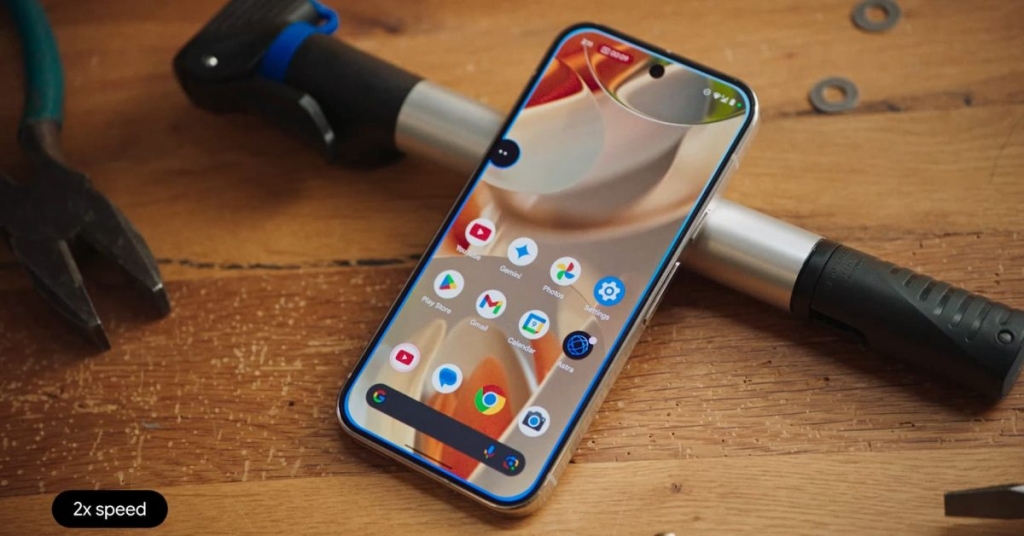
Google’s Gemini Set to Revolutionize Android with “Screen Automation” Feature
In a groundbreaking development that’s set to redefine how we interact with our smartphones, Google is reportedly working on a cutting-edge feature that will allow its AI assistant, Gemini, to take control of Android devices. This revolutionary “screen automation” capability promises to transform our mobile experience, potentially making complex tasks as simple as asking a question.
The Dawn of AI-Powered Smartphone Control
The tech world is abuzz with excitement as details emerge about Google’s ambitious plans to integrate Gemini more deeply into the Android ecosystem. According to recent findings in the Google app 17.4 beta, code-named “bonobo,” this new feature will enable Gemini to perform tasks directly on users’ devices, from placing orders to booking rides, all through the power of screen automation.
How It Works: The Mechanics of Screen Automation
The concept behind screen automation is both simple and revolutionary. By leveraging advanced AI and machine learning algorithms, Gemini will be able to interpret on-screen information and interact with apps just as a human user would. This means that users could potentially ask Gemini to complete complex multi-step processes, and the AI would navigate through various apps and interfaces to accomplish the task.
For instance, imagine asking Gemini to plan a dinner reservation for you. The AI could potentially open your preferred restaurant app, browse available times, make a selection, and confirm the booking – all without you having to lift a finger beyond the initial voice command.
Privacy and Security: Google’s Commitment to User Protection
As with any feature that involves granting AI control over personal devices, privacy and security concerns are at the forefront of discussions. Google appears to be acutely aware of these issues and has implemented several safeguards:
- Supervised Interactions: Users will have the ability to stop Gemini’s actions at any time and take manual control of the task.
- Transparency in Data Usage: Google has clarified that screenshots of app interactions may be reviewed by trained professionals to improve services, but only if the user has enabled “Keep Activity.”
- Cautionary Advice: Users are explicitly warned against entering sensitive information like login credentials or payment details through Gemini chats.
These measures demonstrate Google’s commitment to balancing innovation with user privacy and security.
The Road Ahead: Android 16 QPR3 and Beyond
The groundwork for this screen automation feature is being laid in Android 16 QPR3 (Quick Production Release 3), indicating that Google is taking a systematic approach to integrating this technology. The mention of “certain apps” suggests that the feature may initially roll out with limited compatibility, potentially expanding over time as Google refines the technology and addresses any issues that arise.
Likeness Integration: A Glimpse into the Future
In addition to screen automation, the beta also hints at another exciting feature codenamed “wasabi.” This appears to be related to 3D avatars, similar to those used in Google Meet calls. The integration of such avatars with Gemini could potentially lead to more personalized and engaging AI interactions, possibly allowing users to have conversations with a digital representation of themselves or custom avatars.
The Implications: A New Era of Mobile Computing
The introduction of screen automation through Gemini represents a significant leap forward in mobile computing. It blurs the lines between AI assistance and direct device control, potentially ushering in a new era of hands-free, voice-activated smartphone use.
Potential Use Cases
- Accessibility: For users with mobility or visual impairments, this technology could provide unprecedented ease of use.
- Productivity: Complex workflows could be automated, saving time and reducing the potential for human error.
- Convenience: Everyday tasks like online shopping, travel planning, or appointment scheduling could become seamless experiences.
Challenges and Considerations
While the potential benefits are immense, the implementation of such a feature is not without challenges:
- App Compatibility: Ensuring that screen automation works seamlessly across a wide range of apps will be crucial for widespread adoption.
- User Trust: Building and maintaining user trust in an AI that can control their device will be an ongoing process.
- Ethical Considerations: As AI takes on more active roles in our digital lives, questions of accountability and ethical use will need to be addressed.
The Verdict: A Glimpse into the Future of AI Integration
Google’s move to integrate Gemini more deeply into Android through screen automation is a bold step towards a more intuitive and powerful mobile experience. While there are certainly hurdles to overcome, the potential benefits for users are substantial.
As we look to the future, it’s clear that the lines between human and AI interaction with technology are becoming increasingly blurred. Google’s latest innovation is not just a new feature; it’s a glimpse into a future where our devices truly understand and anticipate our needs, making our digital lives more seamless and efficient than ever before.
The tech community will be watching closely as Google continues to develop and refine this technology. One thing is certain: the way we interact with our smartphones is on the cusp of a major transformation, and Gemini is at the forefront of this revolution.
tags #Google #Gemini #Android #ScreenAutomation #AI #MobileTech #Innovation #TechNews #FutureTech #SmartphoneRevolution
viral #cuttingedge #gamechanger #techbreakthrough #digitaltransformation #AIfuture #mobileinnovation #handsfreecomputing #accessibilitytech #smartphoneevolution
,


Leave a Reply
Want to join the discussion?Feel free to contribute!