
We’re Nowhere Near Ready to Make Babies in Space, Experts Warn
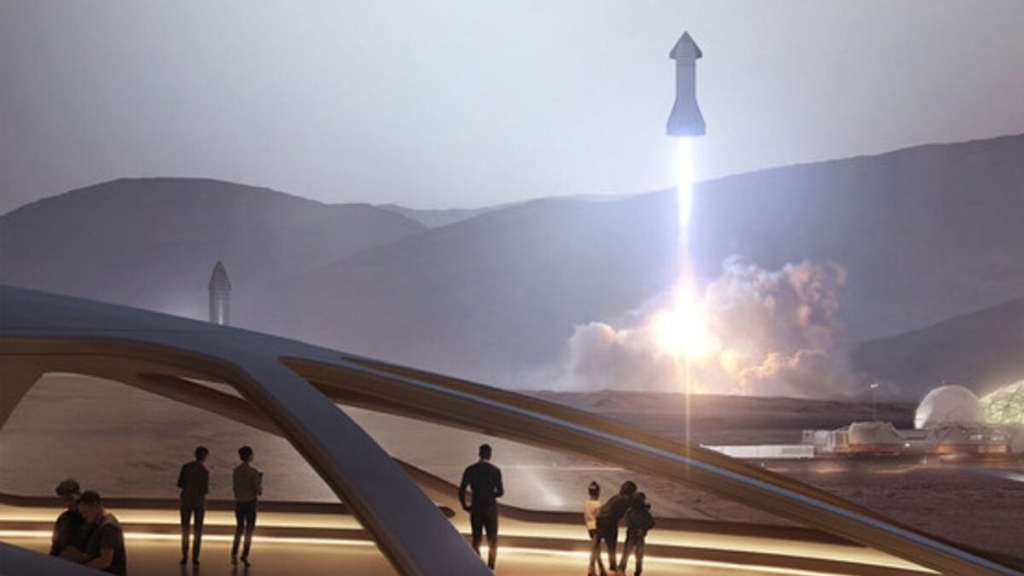
Humanity’s Next Giant Leap: The Hidden Challenge of Space Reproduction
As humanity sets its sights on the Moon, Mars, and beyond, the dream of becoming a multi-planetary species is closer than ever. SpaceX, NASA, and other space agencies are pushing the boundaries of what’s possible, with ambitious plans to establish lunar bases and send crewed missions to Mars within the next decade. But as we prepare to leave Earth’s cradle, a question looms that could determine the very future of our species: can humans reproduce in space?
A groundbreaking new report published in Reproductive BioMedicine Online warns that the hazards of space—radiation, microgravity, and more—pose serious risks to human fertility and embryonic development. While the idea of space babies may sound like science fiction, a team of experts led by clinical embryologist Giles Palmer argues that we must start planning now to protect astronauts’ reproductive health and, eventually, enable safe reproduction beyond Earth.
The Unseen Dangers of Space
Our bodies evolved over millions of years to thrive on Earth, finely tuned to its gravity, atmosphere, and magnetic field. Space, however, is a hostile environment that challenges every aspect of human biology. Two of the biggest threats to reproductive health are radiation and microgravity.
Space radiation—high-energy particles from the Sun and deep space—can damage DNA, disrupt the formation of eggs and sperm, and increase the risk of cancer. Microgravity, meanwhile, interferes with hormone regulation, reduces gamete quality, and can impair embryonic development. Other dangers lurk as well: toxic lunar or Martian dust, limited resources, and the psychological stress of isolation can all take a toll on fertility and pregnancy.
Even the simple act of living in space can disrupt astronauts’ circadian rhythms, leading to hormonal imbalances that further reduce fertility. Over time, these hazards could cause cumulative reproductive damage and even heritable risks, potentially affecting the health of future generations born off-world.
The Urgent Need for Research
Despite these risks, there is surprisingly little data on how long-term spaceflight affects human reproduction. Studies in animal models have shown that radiation exposure can disrupt menstrual cycles and increase cancer risk, but reliable data from astronauts who have spent extended periods in space is scarce. While some data from Space Shuttle missions suggests that pregnancy rates and complications were largely unaffected, we simply don’t know enough about the effects of longer missions to Mars or beyond.
To fill these gaps, scientists are calling for new research to understand how space hazards impact every stage of reproduction—from gamete formation to embryonic development. This knowledge will be crucial for developing strategies to protect astronauts’ fertility, such as improved radiation shielding, medical countermeasures, and advanced fertility-preservation techniques.
Ethical Frontiers and the Path Forward
As we venture into this new frontier, ethical considerations are paramount. Scientists will not be sending pregnant humans to space for research; instead, they will rely on simulated environments and non-human models to study the risks. But as space agencies and private companies push toward establishing permanent settlements on the Moon and Mars, the question of reproduction in space becomes increasingly urgent.
Palmer and his colleagues emphasize the need for an international framework and a collective ethics review board to guide research and ensure that it is conducted safely, responsibly, and transparently. This framework must prioritize informed consent, gender equity, and the protection of future offspring, as humanity takes its first steps toward becoming a truly spacefaring species.
The Future of Humanity Among the Stars
The colonization of space is no longer a distant dream—it’s a goal that is rapidly approaching reality. But as we prepare to leave Earth behind, we must confront the biological, ethical, and technological challenges that stand in our way. Protecting human reproduction in space is not just about ensuring the survival of our species; it’s about safeguarding the health and well-being of generations to come.
As we look to the stars, the question is no longer if we will live beyond Earth, but how we will thrive there. The answers may lie in the very cells that make us who we are—and in the courage to explore the unknown.
Tags: space colonization, human reproduction, space babies, Mars settlement, lunar base, radiation hazards, microgravity effects, fertility in space, reproductive health, space ethics, multi-planetary species, future of humanity, space medicine, embryo development, space exploration, SpaceX, NASA, Mars mission, lunar missions, off-world living
Viral Sentences:
- “The future of humanity depends on figuring out how to make babies in space.”
- “Space radiation could damage DNA and disrupt the formation of eggs and sperm—can we protect our future generations?”
- “Microgravity isn’t just a problem for astronauts—it could threaten the very survival of our species beyond Earth.”
- “We’re not sending pregnant humans to space, but we must prepare for the day when space babies become a reality.”
- “The colonization of Mars isn’t just about rockets and habitats—it’s about ensuring our species can thrive among the stars.”
- “Humanity’s next giant leap may be the most personal one yet: reproduction in the final frontier.”
- “The hazards of space are clear, but the solutions are still out of this world.”
- “As we reach for the stars, we must also protect the future of life itself.”
- “Space babies aren’t science fiction anymore—they’re a scientific necessity.”
- “The Moon and Mars await, but can our biology keep up with our ambition?”
,


Leave a Reply
Want to join the discussion?Feel free to contribute!