
Washington’s ‘millionaires tax’ targets top earners as tech leaders warn of startup fallout
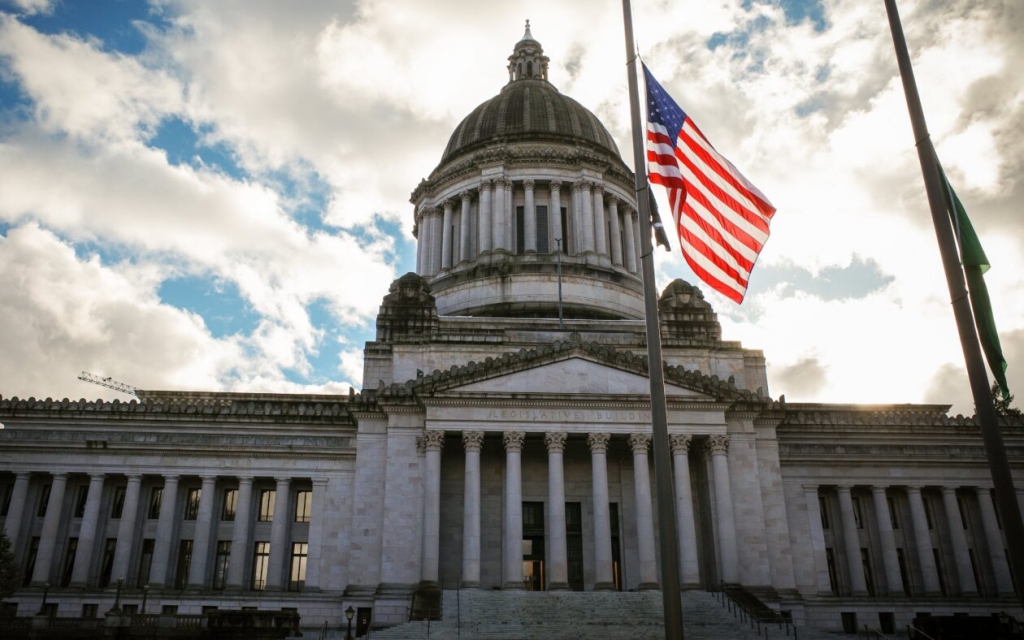
Washington’s “Millionaires Tax” Sparks Fierce Debate as Lawmakers Seek to Close $2 Billion Budget Gap
In a move that has sent shockwaves through Washington state’s business community, Democratic lawmakers have unveiled a controversial proposal to implement a 9.9% income tax on residents earning over $1 million annually. The bill, introduced as Senate Bill 6346 and House Bill 2724, represents the first serious attempt in decades to establish a personal income tax in a state that has historically relied on sales, property, and business taxes to fund government operations.
The proposal comes at a critical juncture for Washington, which faces a daunting $2 billion budget shortfall. With major employers like Amazon, Microsoft, and Boeing implementing widespread layoffs, and federal policy uncertainty looming, the timing of this tax initiative has amplified concerns about economic stability and business competitiveness.
The Mechanics of the Proposed Tax
The legislation would impose a 9.9% tax on Washington taxable income exceeding a $1 million standard deduction per individual, calculated based on federal adjusted gross income. The tax would apply to income earned beginning January 1, 2028, with the first payments due in April 2029.
Key provisions include:
- A $50,000 annual charitable deduction limit per filer
- Nonrefundable credits to prevent double taxation on income already subject to Washington’s Business & Occupation (B&O) tax or capital gains taxes
- Multiple definitions of tax residency, including individuals spending more than 183 days per year in the state
- Targeted tax breaks for small businesses and low-income residents
Business Community Sounds Alarm
The reaction from Washington’s business community has been swift and largely negative. Rachel Smith, president of the Washington Roundtable, a nonprofit representing business executives, acknowledged the gravity of the proposal: “Proposing a personal income tax is a major economic move for our state — one that will have consequences — and it’s not something that we, or anyone in Washington, is taking lightly.”
However, others have been far more critical. Kirby Winfield, founding general partner at Seattle venture capital firm Ascend, minced no words in his assessment: “This tax is just another brick in the wall of anti-entrepreneurialism from state and local legislators. The average Amazon employee probably won’t mind, but this stuff is devastating to company creation.”
Winfield’s concerns echo throughout the startup ecosystem. “The message, said Winfield, is that ‘Washington does not value job creation or wealth creation for risk-taking founders and startup employees.'” This sentiment reflects a broader anxiety that the state’s reputation as a business-friendly environment is eroding.
Governor Ferguson’s Mixed Response
Governor Bob Ferguson, who has repeatedly expressed support for taxing high earners, offered a nuanced response to the proposal. While acknowledging it as “a good start,” he emphasized that “we still have a long way to go” in addressing affordability concerns for Washington residents.
Ferguson’s press conference highlighted the tension between raising revenue and maintaining economic competitiveness. “We are listening and hearing the voices of many, many Washingtonians who are struggling right now and having a lack of affordability in our state,” he said. “And we need to address that head on.”
However, the governor also criticized the bill for not going far enough in supporting small businesses and lower-income residents. He called for $1 billion in tax relief for small business owners, compared to the bill’s provision of just over $100 million, and advocated for expanded eligibility and larger amounts for the family tax credit.
The Fairness Argument
Supporters of the tax, including the nonprofit Invest in Washington Now, argue that the current tax structure is fundamentally unfair. “Washington’s antiquated tax code is the second-most regressive in the country, which means that working people pay more, while the gap between rich and poor continues to widen,” the organization stated.
The proposed bill includes several measures aimed at addressing these inequities:
- Doubling the small business B&O tax credit, so businesses with annual gross receipts under $250,000 would no longer pay that tax
- Ending the temporary B&O surcharge on high-grossing companies one year early, in 2028
- Removing age limits for the Working Families Tax Credit
- Implementing a new sales tax exemption for grooming and hygiene products starting January 1, 2029
The Legislative Timeline and Challenges Ahead
With the 60-day legislative session scheduled to end March 12, lawmakers face a compressed timeline to negotiate and pass complex tax legislation. Governor Ferguson acknowledged the challenge: “So it’s a challenge for something this big and this complex” to find a solution, but expressed optimism about potential collaboration.
Even if the legislature approves the tax, it would face additional hurdles. The governor confirmed that the proposal would “certainly” go before voters for approval and would likely face legal challenges as well.
The Broader Context: Washington’s Tax Advantage at Risk
The millionaires tax proposal comes amid broader concerns about Washington’s competitive position. Tech industry leaders have been particularly vocal in opposing a separate proposal to broaden the state’s capital gains tax to include profits from qualified small business stock (QSBS), even when those gains are exempt under federal law.
Aviel Ginzburg, a Seattle-based venture capitalist at Founders’ Co-op, has emerged as a prominent critic of both tax proposals. In a satirical video that gained traction in the startup community, Ginzburg argued that while people are willing to pay more taxes when the money is spent well, “We’re about to kill the golden goose.”
This sentiment reflects a growing fear that Washington is eroding its competitive advantage. As Kirby Winfield noted, “Seattle is great but it doesn’t come close” to Silicon Valley in terms of venture capital, tech talent, and risk tolerance. “And when you remove the tax advantage you lose your biggest draw.”
National Trends and Competitive Pressures
Washington is not alone in considering tax increases on high earners. Colorado is moving toward a ballot measure, Michigan is exploring similar options, and California is considering a one-time 5% tax on residents with net worth exceeding $1 billion. The California proposal has already prompted at least six billionaires to relocate to tax-friendlier states like Texas and Florida.
These national trends underscore the competitive pressures facing states as they grapple with budget shortfalls and affordability concerns. However, Washington’s proposal is particularly significant given the state’s historical aversion to income taxes and its reliance on a tax structure that disproportionately impacts lower and middle-income residents.
The Path Forward
As negotiations continue in Olympia, the outcome of this debate will have profound implications for Washington’s economic future. The state must balance the need for revenue to address budget shortfalls and fund essential services against the imperative to maintain a competitive business environment that attracts and retains talent and investment.
The coming weeks will be critical as lawmakers, business leaders, and community advocates work to find common ground on a tax structure that can support the state’s needs while preserving its economic vitality. With the legislative session ending in March and a potential voter referendum on the horizon, Washingtonians can expect intense debate and significant political maneuvering as this landmark proposal moves through the legislative process.
Tags
Millionaires tax, Washington state income tax, capital gains tax, small business tax relief, Washington budget deficit, tech industry taxes, startup ecosystem, venture capital, economic competitiveness, tax fairness, progressive taxation, business climate, job creation, wealth creation, entrepreneurship, affordability crisis, legislative session, Governor Ferguson, Washington Roundtable, Ascend VC, Founders’ Co-op, Foundations, QSBS, B&O tax, Working Families Tax Credit, tax reform, economic policy
Viral Sentences
Washington is about to kill the golden goose with its new millionaires tax
The average Amazon employee probably won’t mind, but this stuff is devastating to company creation
Washington does not value job creation or wealth creation for risk-taking founders
When you remove the tax advantage you lose your biggest draw
People are happy to pay more taxes when the money is spent well
We’re about to kill the golden goose
Seattle is great but it doesn’t come close to Silicon Valley
This tax is just another brick in the wall of anti-entrepreneurialism
Washington’s antiquated tax code is the second-most regressive in the country
The message is that Washington does not value job creation
Billionaires are fleeing California for tax-friendlier states
Washington’s tax advantage is its biggest draw for entrepreneurs
The millionaires tax would apply to fewer than 0.5% of Washington residents
Washington is one of nine states that lack an income tax
The tax would raise more than $3 billion each year
This is the first serious attempt in decades to establish a personal income tax
The legislative session ends March 12, creating a compressed timeline
The proposal would face legal challenges and a voter referendum
Washington’s budget shortfall is more than $2 billion
Major employers are cutting thousands of jobs from their payrolls
Federal policy uncertainty is creating additional economic pressure
The tax would go into effect in two years, with first payments due in 2029
Small businesses would see their B&O tax credit doubled
A new sales tax exemption for grooming and hygiene products is included
The Working Families Tax Credit would remove age limits
The temporary B&O surcharge on high-grossing companies would end early
The governor wants $1 billion in tax relief for small business owners
The bill currently provides just over $100 million in small business relief
Washington’s tax structure disproportionately impacts lower and middle-income residents
The proposal includes multiple definitions of tax residency
Charitable deductions would be limited to $50,000 annually
The tax is built off federal adjusted gross income
Nonrefundable credits would prevent double taxation
The legislation is being introduced as SB 6346 and HB 2724
The millionaires tax has worried some in the business community
Tech industry leaders are up in arms over the QSBS proposal
A separate payroll tax modeled on Seattle’s was floated unsuccessfully
Colorado is moving toward a ballot measure on income tax
Michigan is considering a similar move to Washington
California is exploring a one-time tax on billionaires
At least six billionaires have fled California due to tax proposals
Venture capital, tech talent, and risk tolerance are beyond comparison in Silicon Valley
The tax proposal comes at a critical juncture for Washington’s economy
The state faces a daunting $2 billion budget shortfall
Major employers like Amazon, Microsoft, and Boeing are implementing layoffs
Federal policy uncertainty is looming over the state’s economy
The timing of the tax initiative has amplified concerns about economic stability
Business competitiveness is at the forefront of the debate
The reaction from Washington’s business community has been swift and largely negative
The governor acknowledged the proposal as “a good start”
Ferguson emphasized that “we still have a long way to go”
Affordability concerns for Washington residents are central to the debate
The tension between raising revenue and maintaining economic competitiveness is evident
Supporters argue the current tax structure is fundamentally unfair
The proposed bill includes measures aimed at addressing inequities
Lawmakers face a compressed timeline to negotiate and pass complex tax legislation
The governor acknowledged the challenge of finding a solution
He expressed optimism about potential collaboration
Even if the legislature approves the tax, it would face additional hurdles
The governor confirmed the proposal would “certainly” go before voters
Legal challenges would likely follow any legislative approval
The outcome will have profound implications for Washington’s economic future
The state must balance the need for revenue against maintaining a competitive business environment
The coming weeks will be critical as lawmakers work to find common ground
Washingtonians can expect intense debate and significant political maneuvering
The landmark proposal moves through the legislative process
The debate highlights the challenges of tax reform in a competitive economic environment
Washington’s historical aversion to income taxes is being tested
The state’s reliance on a regressive tax structure is under scrutiny
The proposal represents a fundamental shift in Washington’s approach to taxation
The business community is mobilizing to oppose the tax
Tech industry leaders are particularly vocal in their opposition
The startup ecosystem is expressing significant concern
Venture capitalists are warning about the impact on entrepreneurship
The competitive advantage of Washington’s tax structure is at risk
National trends are influencing the debate in Olympia
Other states are grappling with similar budget and tax challenges
Washington’s proposal is particularly significant given its historical context
The debate reflects broader questions about tax fairness and economic competitiveness
The outcome will shape Washington’s economic trajectory for years to come
,

Leave a Reply
Want to join the discussion?Feel free to contribute!