
Tech Moves: Tableau CEO steps down; Microsoft taps new executive VPs; Avanade’s new CEO
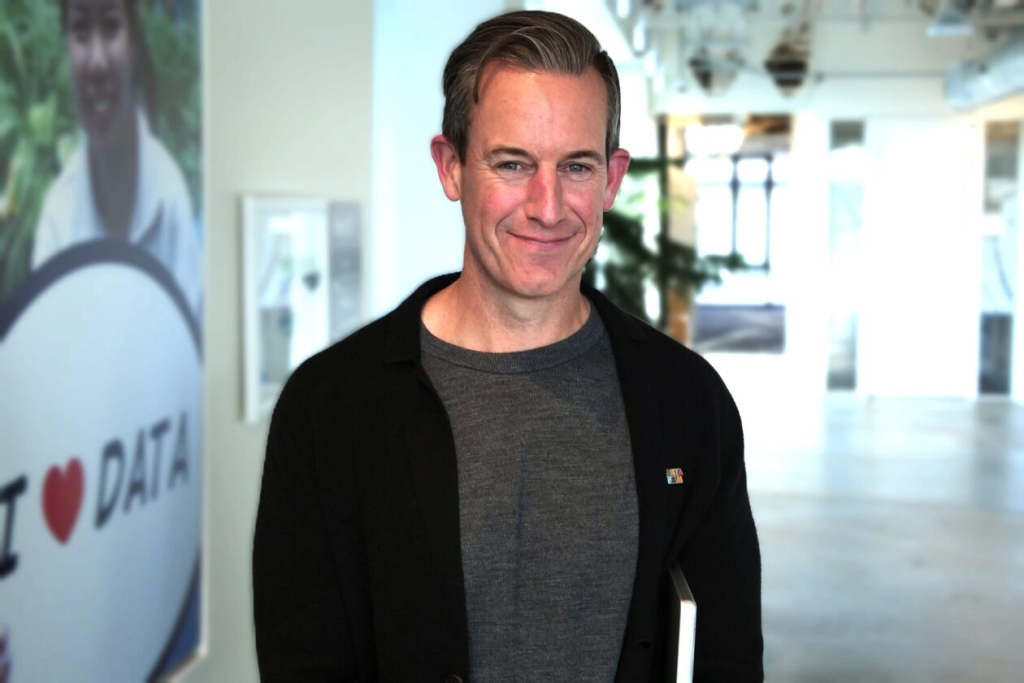
Ryan Aytay Departs Tableau After 19 Years at Salesforce: What It Means for the Future of Data Analytics
In a major shakeup within the tech industry, Ryan Aytay, the former CEO of Tableau, has announced his departure from Salesforce after an impressive 19-year tenure. Aytay, a seasoned executive who joined Salesforce in 2007, has been at the forefront of innovation and leadership, leaving an indelible mark on the company and its community. His exit comes at a pivotal time for Tableau, a leader in the data visualization sector, and raises questions about the future direction of the company under Salesforce’s umbrella.
A Legacy of Leadership and Innovation
Aytay’s journey with Salesforce began in 2007, and over the years, he climbed the ranks to become the chief business officer in 2020. His leadership skills and strategic vision led to his appointment as the president of Tableau in February 2022, and just a year later, he was named CEO, succeeding Mark Nelson. During his tenure, Aytay was instrumental in driving Tableau’s growth and maintaining its position as a leader in data analytics.
In a heartfelt LinkedIn post, Aytay reflected on his time at Salesforce, describing it as “a front-row seat to innovation, a masterclass in leadership, and a community that has shaped who I am professionally and personally.” He also hinted at a “new challenge” on the horizon, sparking curiosity about his next move.
Tableau’s Journey Under Salesforce
Tableau’s acquisition by Salesforce in 2019 for $15.7 billion was a defining moment for both companies. The deal positioned Salesforce as a dominant player in the data analytics space, leveraging Tableau’s expertise to enhance its cloud-based solutions. However, recent financial reports indicate a slowdown in Tableau’s growth. In Salesforce’s most recent quarter, Tableau reported a 4% revenue growth, down from 15% in the previous quarter. This decline has raised concerns among investors and industry analysts about the sustainability of Tableau’s growth trajectory under Salesforce’s management.
Despite these challenges, Aytay remained optimistic about Tableau’s future. He praised the company’s “DataFam” community, a vibrant network of data enthusiasts and professionals, and expressed confidence in the bright future of Tableau and Salesforce.
A Series of High-Profile Exits at Salesforce
Aytay’s departure is part of a broader trend of high-profile exits at Salesforce. Denise Dresser, who led Slack, another Salesforce division, recently left to become the chief revenue officer at OpenAI. Additionally, Salesforce’s cybersecurity leader announced his departure last week. These exits come amid a turbulent period for Salesforce, with the company’s stock down more than 14% over the past week. Investor fears about AI disrupting traditional software providers have contributed to the decline, highlighting the challenges Salesforce faces in adapting to the rapidly evolving tech landscape.
Microsoft’s Executive Shuffle and Strategic Moves
While Salesforce grapples with leadership changes, Microsoft is making strategic moves to strengthen its position in the AI and cloud computing markets. The company recently announced the promotion of four executives to the role of executive vice president: Deb Cupp, Nick Parker, Ralph Haupter, and Mala Anand. These leaders will report to Judson Althoff, who was appointed as the CEO of Microsoft’s commercial business in October. Althoff’s team oversees more than 75% of Microsoft’s revenue, underscoring the importance of this strategic reorganization.
Microsoft’s recent earnings report exceeded expectations, but the company’s shares fell as much as 12% the following day, erasing $357 billion from its market value. The market’s reaction reflects concerns about Microsoft’s massive AI spending and its reliance on OpenAI, highlighting the high stakes involved in the race to dominate the AI space.
Avanade’s Leadership Transition
In another significant development, Avanade, a joint venture between Accenture and Microsoft, has named Chris Howarth as its new CEO. Howarth, a veteran of Accenture with nearly three decades of experience, replaces Rodrigo Caserta, who is joining Microsoft as a corporate vice president. Caserta’s departure marks the end of a decade-long tenure at Avanade, during which he played a key role in shaping the company’s growth and success.
Howarth expressed his excitement about leading Avanade at a time when AI is driving transformation across industries. “Rodrigo’s leadership has positioned Avanade for sustained momentum, and his move to Microsoft further strengthens our partnership,” Howarth said in a statement. “I’m excited to work with our people, clients, and partners at this pivotal moment, delivering on the huge potential of AI to drive transformation and accelerate value.”
Microsoft’s Continued Expansion
Microsoft’s strategic moves extend beyond executive appointments. The company has also welcomed Kelsey Peterson, a former vice president at Weber Shandwick and senior director at Rubrik, as a senior communications manager for its security business. Peterson’s appointment underscores Microsoft’s commitment to strengthening its security offerings, a critical area as cyber threats continue to evolve.
The Future of Data Analytics and AI
The recent leadership changes at Salesforce, Tableau, and Avanade reflect the dynamic nature of the tech industry, where innovation and adaptation are key to staying ahead. As companies like Salesforce and Microsoft navigate the challenges and opportunities presented by AI, the role of data analytics will only grow in importance. Tableau’s DataFam community, for instance, represents a powerful network of professionals who are driving the adoption of data-driven decision-making across industries.
For Salesforce, the departure of Aytay and other key executives presents both challenges and opportunities. The company must now focus on sustaining Tableau’s growth and leveraging its data analytics capabilities to compete in an increasingly AI-driven market. Meanwhile, Microsoft’s strategic reorganization and investments in AI position it as a formidable competitor, with the potential to reshape the future of technology.
Conclusion
Ryan Aytay’s departure from Tableau marks the end of an era for Salesforce and its data analytics division. His legacy of leadership and innovation will undoubtedly influence the company’s future direction. As the tech industry continues to evolve, the moves made by companies like Salesforce, Microsoft, and Avanade will shape the future of data analytics, AI, and cloud computing. With AI at the forefront of technological advancement, the race to harness its potential is on, and the stakes have never been higher.
Tags: Ryan Aytay, Tableau, Salesforce, data analytics, AI, cloud computing, Microsoft, Avanade, leadership changes, tech industry, innovation, DataFam, investor fears, executive shuffle, strategic moves, cybersecurity, market value, earnings report, OpenAI, Slack, Judson Althoff, Deb Cupp, Nick Parker, Ralph Haupter, Mala Anand, Chris Howarth, Rodrigo Caserta, Kelsey Peterson, Weber Shandwick, Rubrik, digital transformation, future of technology.
Viral Sentences:
- “Ryan Aytay’s 19-year journey at Salesforce: A front-row seat to innovation and leadership.”
- “Tableau’s growth slows as Salesforce faces a series of high-profile exits.”
- “Microsoft’s $357 billion market value drop: What does it mean for the future of AI?”
- “Avanade’s new CEO Chris Howarth: Ready to drive AI transformation at a pivotal moment.”
- “The DataFam community: Powering the future of data-driven decision-making.”
- “Salesforce’s stock down 14%: Can the company adapt to the AI disruption?”
- “Microsoft’s executive shuffle: A strategic move to dominate the AI and cloud markets.”
- “Kelsey Peterson joins Microsoft: Strengthening the company’s security business.”
- “Rodrigo Caserta’s move to Microsoft: A new chapter for Avanade and its partnership.”
- “The tech industry’s leadership changes: A sign of the times in the AI era.”
,


Leave a Reply
Want to join the discussion?Feel free to contribute!