
Google’s February Android update confirms a big shift for older Pixels
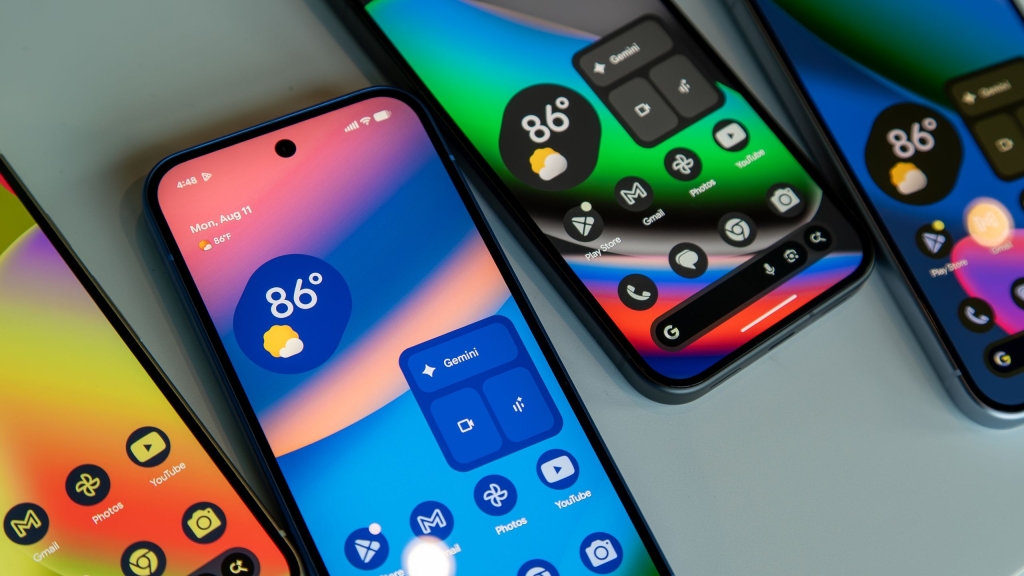
Google’s February 2026 Pixel Update Signals Major Shift for Older Devices
What you need to know
Google has released its February 2026 Pixel update, but the rollout comes with significant implications for the company’s update strategy. The update is notably smaller than usual, suggesting Google is conserving major changes for the upcoming Android 16 QPR3 release scheduled for next month.
Most notably, the update completely skips the Pixel 6 and Pixel 7 series, marking what appears to be a fundamental shift in how Google handles software support for older devices. This move has left many users questioning the future of monthly updates for legacy Pixel phones.
A minimal update with maximum implications
The February 2026 update, carrying build number BP4A.260205, is approximately 20MB in size and is available for Pixel devices ranging from the Pixel 7a and Pixel Tablet through the original Pixel Fold, up to the Pixel 8 and Pixel 10 series. Users can check for the update by navigating to Settings > System > Software updates > System update > Check for update.
However, the update’s contents are surprisingly sparse. Beyond a high-severity vulnerability fix for the VPU driver, there are no UI changes, new features, or significant improvements. This minimalism strongly suggests Google is strategically holding back substantial updates for the Android 16 QPR3 release, which is expected to introduce features like customizable At a Glance widget visibility and adjustable flashlight brightness controls.
The missing Pixel 6 and 7 updates raise red flags
The most significant revelation from this update cycle is the complete absence of February updates for Pixel 6 and Pixel 7 series devices. This pattern was first identified by Droid-Life, which contacted Google for clarification. The company’s response that these devices will “remain security compliant” for their full support period provides little concrete information about future update frequency.
A deeper analysis reveals a troubling pattern. The Pixel 6 series appears to have transitioned to a quarterly update schedule, having missed October and November updates last year, received only December’s update, and now skipped January and February. Similarly, the Pixel 7 and 7 Pro seem to have adopted the same quarterly cadence by missing January and February updates.
Google’s update strategy appears to be evolving
Multiple reports suggest Google is moving these older devices to a “risk-based schedule,” where updates are only pushed when necessary rather than following a strict monthly cadence. This approach makes practical sense given the growing number of Pixel devices Google must support, but it represents a significant departure from the company’s established practices.
The shift raises important questions about Google’s commitment to long-term software support. While the company has never explicitly guaranteed monthly updates for all devices, this has been the de facto standard since the Pixel line launched. The move to quarterly or risk-based updates for older devices could set a precedent for future Pixel generations.
Industry implications and user impact
This change in Google’s update strategy reflects broader challenges in the smartphone industry. As manufacturers support an increasing number of devices over longer periods, maintaining monthly update schedules becomes increasingly resource-intensive. Google’s pivot suggests other Android manufacturers might follow suit, potentially normalizing less frequent security updates for older devices.
For users, this shift means potentially longer wait times for security patches and feature updates on older Pixel devices. While Google assures that devices will remain “security compliant,” the practical implications of less frequent updates could affect device security and user experience over time.
Looking ahead
The February 2026 update serves as a clear signal that Google is reevaluating its update strategy as its device portfolio expands. With the Android 16 QPR3 release on the horizon, users of newer Pixel devices can expect more substantial changes, while owners of older devices may need to adjust their expectations for update frequency.
This strategic shift could represent Google’s attempt to balance comprehensive device support with sustainable development practices. However, it also highlights the tension between providing long-term software support and managing the practical limitations of maintaining dozens of device variants across multiple years of support.
As the smartphone industry continues to evolve, Google’s approach to software updates will likely influence industry standards and user expectations for years to come.
Tags and Viral Phrases
- Google Pixel update strategy shift
- Android 16 QPR3 release anticipation
- Pixel 6 and 7 losing monthly updates
- Risk-based update schedule
- Google’s software support evolution
- Smartphone update frequency changes
- Android security update controversy
- Pixel device lifecycle management
- Google’s update cadence revolution
- Long-term Android support challenges
- Tech industry update strategy trends
- Google breaking update promises?
- Pixel users demand answers
- Android fragmentation concerns
- Smartphone software support reality check
- Google’s quarterly update experiment
- Tech giant changes game plan
- Pixel owners left in the dark
- Android update frequency debate
- Google’s sustainable software support
- Smartphone update expectations shattered
- Industry-first update strategy shift
- Google’s Pixel support revolution
- Android users face new reality
- Tech support strategy transformation
,


Leave a Reply
Want to join the discussion?Feel free to contribute!