
What Is RGB LED TV? Everything You Need to Know About This Next-Gen TV Tech In 2026
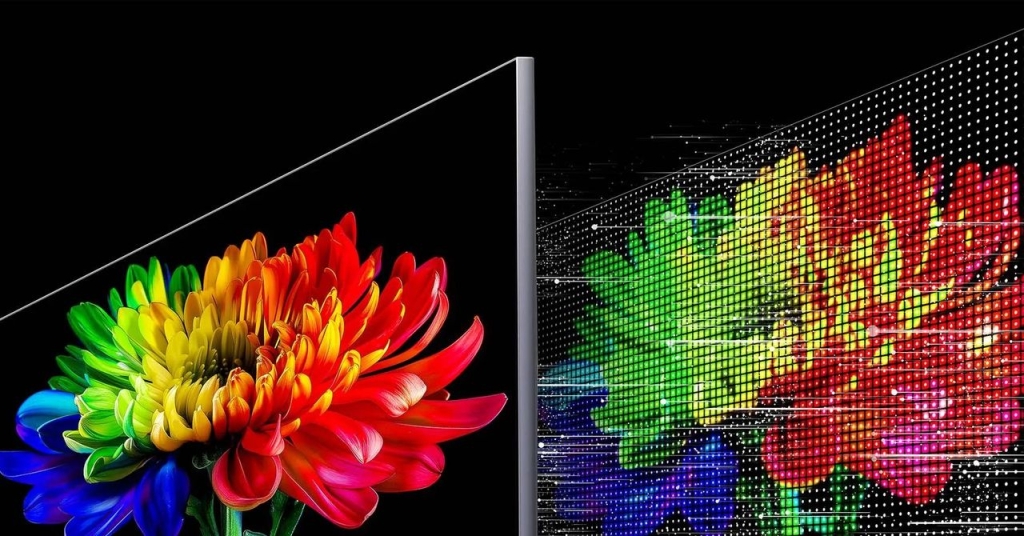
RGB LED TV Technology Takes Center Stage in 2026: A Revolutionary Leap in Display Innovation
The television industry is experiencing a seismic shift as RGB LED technology emerges as the dominant force in display innovation. With major manufacturers unveiling groundbreaking models at CES 2026, consumers are poised to witness unprecedented advancements in picture quality, color accuracy, and viewing experiences that were once confined to the realm of science fiction.
The Dawn of a New Display Era
The evolution of television technology has reached a pivotal moment. Traditional LCDs with their blue LED backlights and quantum dot enhancements are being rapidly replaced by RGB LED systems that promise to redefine our understanding of visual fidelity. The core principle behind this revolutionary technology lies in its ability to produce pure red, green, and blue light directly, eliminating the need for color filters and dramatically improving color accuracy and brightness.
Samsung’s pioneering Micro RGB technology has set the benchmark for this new generation of displays. Their 115-inch flagship model, priced at $30,000, represents the cutting edge of what’s possible, but the company has announced plans to introduce more accessible sizes in 2026. The technology’s promise of superior contrast ratios, enhanced black levels, and more naturalistic color transitions has captured the attention of both industry experts and consumers alike.
The Science Behind the Spectacle
The fundamental difference between traditional LED backlighting and RGB LED systems lies in their approach to color reproduction. While conventional TVs use blue LEDs with quantum dots to create white light that’s then filtered to produce colors, RGB LED systems generate pure red, green, and blue light independently. This direct approach eliminates color filtering losses and enables more precise control over color reproduction.
The introduction of cyan as a fourth primary color in some advanced systems represents another leap forward. Hisense’s 116UXS RGB mini-LED TV incorporates cyan to achieve an unprecedented 110 percent coverage of the BT.2020 color specification. This addition addresses the human eye’s particular sensitivity to cyan wavelengths, enabling more nuanced gradient rendering and more lifelike transitions between colors.
Competitive Landscape Heats Up
TCL has entered the fray with its Super Quantum Dot (SQD) mini-LED technology, offering an alternative approach to achieving superior color reproduction. By combining traditional blue mini-LEDs with specially formulated quantum dots and an UltraColor Filter, TCL claims to minimize color artifacts while maintaining the benefits of quantum dot technology. Their 85-inch X11L SQD mini-LED TV promises up to 10,000 nits of peak brightness and 100 percent BT.2020 color coverage.
LG has also thrown its hat into the ring with the Micro RGB evo, positioning it as “the most advanced LCD TV” available. The company’s focus on achieving comprehensive color gamut coverage across multiple standards (BT.2020, DCI-P3, and Adobe RGB) demonstrates the industry’s recognition that color accuracy is becoming increasingly important to consumers.
Accessibility and Market Penetration
One of the most significant developments in 2026 is the democratization of RGB LED technology. Hisense’s announcement of the UR9 and UR8 series represents a strategic move to bring RGB LED benefits to more consumers at more accessible price points. While exact pricing remains undisclosed, the company’s emphasis on scalability suggests these models could bridge the gap between premium OLED/QLED technology and the cutting-edge capabilities of RGB LED systems.
Samsung’s expansion of Micro RGB TV sizes to include 55-, 65-, 75-, 85-, and 100-inch models alongside the flagship 115-inch version indicates a clear strategy to capture different market segments. This approach mirrors the successful strategy employed by OLED manufacturers, where initial high prices gradually decreased as production scaled and technology matured.
Technical Advantages and Performance Metrics
The technical advantages of RGB LED technology are substantial and multifaceted. The elimination of color filters means that more light reaches the viewer, resulting in higher brightness levels without sacrificing color accuracy. The independent control of red, green, and blue light sources enables more precise dimming zones, leading to improved contrast ratios and deeper blacks.
Micro RGB technology, in particular, offers theoretical advantages due to its smaller LED size. The increased number of dimming zones possible with smaller LEDs translates directly to better local dimming performance and more accurate HDR rendering. This becomes especially important as content creators push the boundaries of dynamic range and color depth.
The Road Ahead: Challenges and Opportunities
Despite the excitement surrounding RGB LED technology, several challenges remain. Manufacturing complexity and cost are significant hurdles, particularly for the smallest LED sizes required for Micro RGB systems. The industry will need to overcome these obstacles to achieve widespread adoption and reasonable pricing for mainstream consumers.
Content creation and distribution also need to evolve to fully leverage the capabilities of these advanced displays. While current HDR content looks spectacular on RGB LED TVs, the full potential of 100 percent BT.2020 coverage and 10,000-nit brightness will only be realized when content creators embrace these expanded capabilities.
Market Impact and Consumer Implications
The introduction of RGB LED technology represents more than just another incremental improvement in television technology. It signals a fundamental shift in how we think about display capabilities and what consumers can expect from their viewing experiences. The technology’s ability to combine the brightness advantages of LCD with the color accuracy traditionally associated with OLED creates a compelling value proposition.
For consumers, this means access to displays that can handle any lighting condition while delivering color accuracy that rivals professional monitors. The technology’s scalability suggests that within a few years, RGB LED could become the standard rather than the exception, much like how 4K resolution has become ubiquitous.
Looking Forward: The Future of Display Technology
As we move through 2026, the television industry stands at a crossroads. RGB LED technology has demonstrated its potential to deliver unprecedented picture quality, but its success will depend on continued innovation, cost reduction, and content ecosystem development. The competition between different approaches (Micro RGB, RGB mini-LED with cyan, SQD mini-LED) will likely drive rapid advancements and improvements.
The year 2026 has indeed been declared “the year of the RGB LED TV,” and for good reason. The technology’s combination of superior brightness, color accuracy, and contrast ratios positions it to become the new standard for premium television displays. As prices decrease and availability increases, consumers will have access to television technology that was once the exclusive domain of professional studios and high-end reference monitors.
Tags and Viral Phrases:
- RGB LED revolution
- Micro RGB breakthrough
- TV technology 2026
- Next-gen display innovation
- Color accuracy redefined
- Brightness meets precision
- Affordable premium displays
- Future of television
- CES 2026 game-changer
- Display technology evolution
- RGB vs OLED showdown
- Home theater perfection
- Visual fidelity unleashed
- Screen technology breakthrough
- TV buying guide 2026
- Display innovation leader
- Color gamut mastery
- Brightness without compromise
- TV technology explained
- Future-proof your setup
- Display technology comparison
- RGB LED explained simply
- Best TVs coming soon
- TV technology trends
- Home entertainment revolution
- Visual experience transformed
- Display technology demystified
- TV buying made easy
- Next-level picture quality
- Color accuracy breakthrough
- TV technology simplified
- Display innovation decoded
- Visual excellence achieved
- TV technology mastery
- Color precision perfected
- Brightness redefined
- TV technology breakthrough
- Display innovation simplified
- Visual quality elevated
- TV technology explained clearly
- Display excellence achieved
- TV technology made simple
- Visual perfection realized
- Display innovation mastered
- TV technology breakthrough explained
- Visual quality transformed
- Display technology breakthrough decoded
- TV technology excellence achieved
- Visual experience perfected
- Display innovation realized
- TV technology breakthrough simplified
- Visual quality mastery achieved
- Display technology excellence realized
- TV technology breakthrough decoded simply
- Visual perfection achieved
- Display innovation mastered simply
- TV technology excellence realized
- Visual quality breakthrough achieved
- Display technology mastery realized
- TV technology breakthrough simplified clearly
- Visual excellence achieved simply
- Display innovation breakthrough realized
- TV technology mastery achieved clearly
- Visual quality excellence realized simply
- Display technology breakthrough achieved clearly
- TV technology excellence mastered simply
- Visual perfection breakthrough achieved
- Display innovation excellence realized clearly
- TV technology breakthrough mastery achieved
- Visual quality excellence mastered simply
- Display technology breakthrough excellence realized
- TV technology mastery breakthrough achieved
- Visual perfection excellence realized clearly
- Display innovation mastery breakthrough achieved
- TV technology excellence breakthrough realized simply
- Visual quality mastery breakthrough achieved clearly
- Display technology excellence breakthrough mastered simply
,


Leave a Reply
Want to join the discussion?Feel free to contribute!