
Netflix and Warner Bros struggle to defend merger
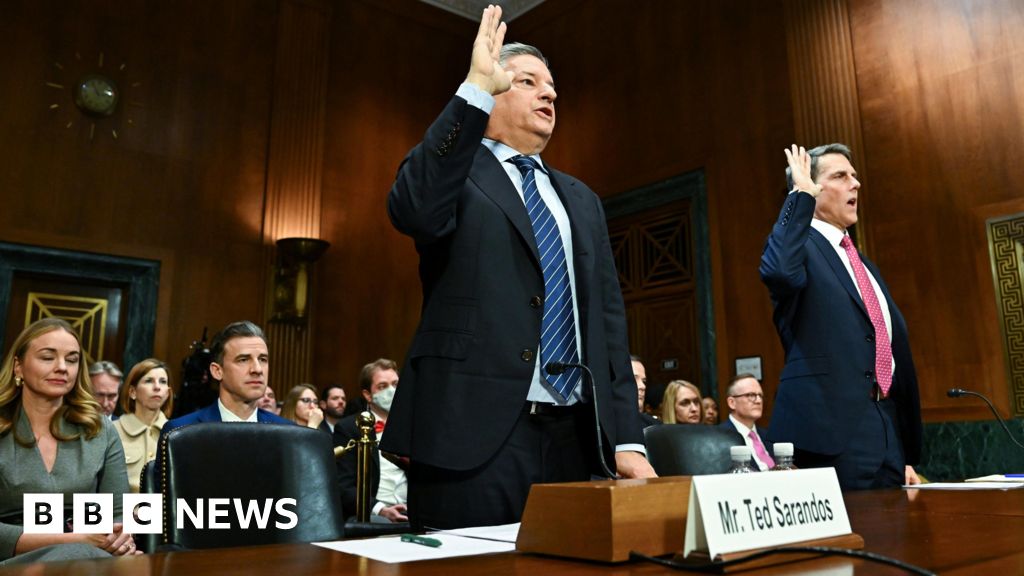
Concerns Over Potential Price Rises and the Future of Cinemas Raised by Subcommittee
In a development that has sent ripples through the entertainment industry, a recent subcommittee meeting has brought to light growing concerns regarding potential price increases and the uncertain future of cinemas. The discussion, which included key stakeholders from the film industry, cinema operators, and consumer advocacy groups, highlighted the mounting challenges faced by traditional movie theaters in an era dominated by streaming services and evolving consumer preferences.
The subcommittee, formed to address the long-term sustainability of the cinema industry, focused on several critical issues. Among the most pressing was the possibility of significant price hikes for movie tickets and concessions. With the cost of operating cinemas rising due to inflation, increased operational expenses, and the need for technological upgrades, many theater chains are reportedly considering raising prices to maintain profitability. This move, however, has sparked fears among consumers who already feel the pinch of rising living costs.
During the meeting, industry representatives acknowledged that while price increases might be necessary to keep cinemas afloat, they could also drive more customers away, further exacerbating the industry’s struggles. “We are in a delicate balance,” said one executive, who spoke on condition of anonymity. “Raising prices too much could alienate our audience, but not raising them could mean we can’t sustain our operations.”
Another major topic of discussion was the future of cinemas in the face of fierce competition from streaming platforms. Services like Netflix, Disney+, and Amazon Prime Video have revolutionized how people consume entertainment, offering the convenience of watching movies from the comfort of their homes. This shift has led to a decline in cinema attendance, particularly among younger audiences, who are increasingly opting for the flexibility and affordability of streaming.
The subcommittee also explored the potential for cinemas to adapt and innovate in response to these challenges. Suggestions included enhancing the movie-going experience through premium offerings such as luxury seating, gourmet food options, and immersive technologies like IMAX and 4D screenings. However, these upgrades come with their own set of costs, which could further contribute to the need for higher ticket prices.
Consumer advocates at the meeting expressed concern that such measures might only serve to widen the gap between those who can afford premium cinema experiences and those who cannot. “We need to ensure that cinemas remain accessible to everyone,” said one advocate. “If we price people out, we risk losing the communal aspect of movie-watching that has been a cornerstone of our culture for over a century.”
The subcommittee’s findings have sparked a broader conversation about the role of cinemas in the modern entertainment landscape. While some argue that cinemas must evolve to survive, others believe that the industry’s traditional model is no longer viable in a world where convenience and personalization are paramount.
As the debate continues, one thing is clear: the future of cinemas hangs in the balance. Whether they can adapt to the changing times or become a relic of the past remains to be seen. For now, moviegoers and industry insiders alike are left to ponder the implications of these potential changes and what they might mean for the future of the silver screen.
Tags:
cinema industry, movie theaters, streaming services, ticket prices, consumer concerns, entertainment evolution, IMAX, 4D screenings, Netflix, Disney+, Amazon Prime Video, cinema sustainability, premium movie experiences, communal movie-watching, technological upgrades, inflation, operational costs, future of entertainment, accessibility, luxury seating, gourmet concessions, immersive technologies, movie-going experience, cultural cornerstone, adaptability, innovation, convenience, personalization, industry challenges, subcommittee findings, consumer advocacy, silver screen, entertainment landscape, evolving consumer preferences, profitability, younger audiences, home entertainment, movie ticket hikes, cinema operators, film industry, streaming revolution, movie culture, economic pressures, industry survival, traditional model, modern entertainment, cinema attendance, cost of living, affordability, movie industry, entertainment industry, cinema future, streaming competition, movie experience, cinema evolution, entertainment consumption, movie ticket affordability, cinema accessibility, entertainment technology, cinema adaptation, movie industry challenges, streaming dominance, cinema innovation, entertainment affordability, cinema pricing, movie industry sustainability, cinema community, entertainment trends, cinema transformation, movie industry future, cinema economics, entertainment accessibility, cinema resilience, movie industry adaptation, cinema modernization, entertainment evolution, cinema survival, movie industry transformation, cinema accessibility, entertainment affordability, cinema innovation, movie industry challenges, streaming impact, cinema future, entertainment trends, cinema adaptation, movie industry sustainability, cinema community, entertainment technology, cinema economics, cinema resilience, movie industry adaptation, cinema modernization, entertainment evolution, cinema survival, movie industry transformation.
,


Leave a Reply
Want to join the discussion?Feel free to contribute!