
NASA finally acknowledges the elephant in the room with the SLS rocket
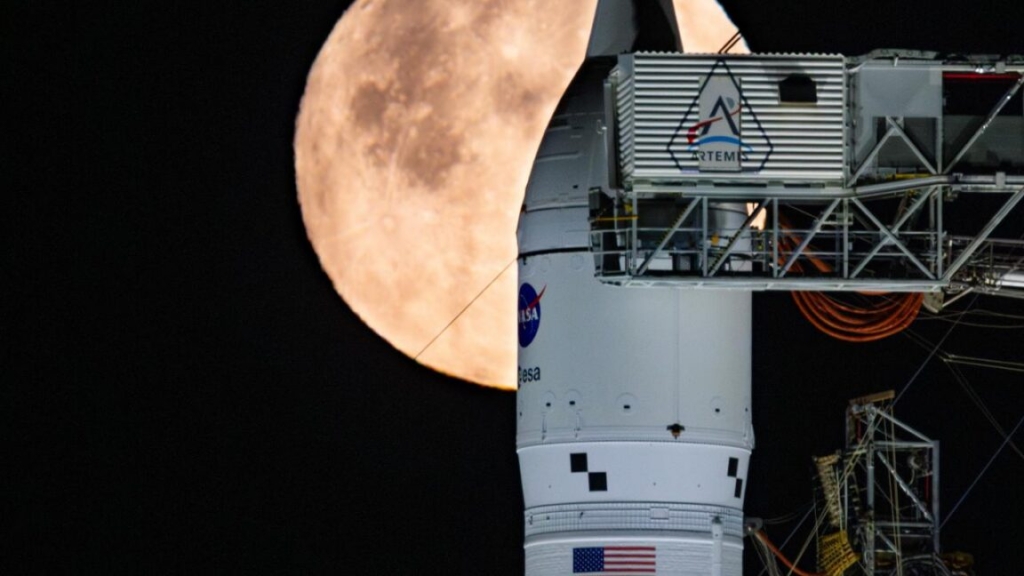
NASA’s SLS Rocket: A Decade of Delays, Leaks, and a $30 Billion Price Tag
The Space Launch System (SLS) rocket program, now 15 years in the making, continues to be a poster child for bureaucratic inefficiency and technical hurdles. With a price tag exceeding $30 billion and a launch cadence that could be charitably described as glacial, the program’s latest developments have reignited debates about NASA’s future and the viability of its flagship rocket.
The SLS, a towering orange behemoth, is the cornerstone of NASA’s Artemis program, designed to return humans to the Moon. However, its journey from concept to launch pad has been anything but smooth. The rocket’s reliance on hydrogen propellant, a notoriously difficult fuel to handle, has been a persistent source of delays and frustration.
The Saga of the Leaks
The last major attempt to launch the SLS in 2022 was a masterclass in perseverance—or perhaps stubbornness. After rolling the rocket out to the launch pad in March 2022, NASA conducted a series of wet dress rehearsals, elaborate fueling tests designed to ensure the rocket was ready for launch. However, the first three attempts were scrubbed due to various issues, forcing the rocket back to its hangar for repairs.
When the SLS returned to the pad in June, the fourth fueling test reached within 29 seconds of engine ignition—close, but not close enough. Mission managers, seemingly tired of the repeated failures, decided to proceed with final launch preparations despite the incomplete test.
The first launch attempt in late August was scrubbed due to hydrogen leaks and other problems. A second attempt a week later suffered the same fate. Finally, on the seventh overall attempt, the SLS rocket took off on November 16, 2022, and flew splendidly. But the question remains: why did it take so many tries, and have the underlying issues been resolved?
Three Years Later: The Same Problems?
More than three years have passed since that successful launch, and the SLS program is still grappling with the same issues. Hydrogen leaks, a problem that has plagued the rocket since its inception, continue to be a major hurdle. Despite the best efforts of NASA’s engineers, the leaks have not been fully resolved, raising questions about the rocket’s long-term viability.
The SLS’s reliance on hydrogen propellant is a double-edged sword. While hydrogen provides high efficiency and performance, it is also highly volatile and prone to leaks. The rocket’s ground systems, designed to handle this finicky fuel, are complex and time-consuming to operate. This has led to a launch cadence that is far slower than initially promised, with each launch requiring months of preparation and testing.
The Cost of Inefficiency
The SLS program’s inefficiencies come with a hefty price tag. At over $30 billion and counting, the rocket is one of the most expensive in NASA’s history. This has led to criticism from lawmakers, scientists, and space enthusiasts alike, who argue that the money could be better spent on other priorities, such as robotic missions or commercial partnerships.
The slow pace of the SLS program has also had ripple effects on NASA’s broader goals. The Artemis program, which aims to establish a sustainable presence on the Moon, has been delayed multiple times due to the rocket’s issues. This has raised concerns about the United States’ ability to compete with other nations, such as China, in the new space race.
Looking Ahead
As NASA prepares for the next launch of the SLS, the question on everyone’s mind is: will it be any different this time? The agency has made some improvements to the rocket’s ground systems and fueling procedures, but the fundamental challenges remain. Hydrogen leaks, complex ground systems, and a slow launch cadence continue to be major obstacles.
The success of the Artemis program—and NASA’s broader ambitions in space—hinges on the SLS’s ability to overcome these challenges. If the rocket can prove itself reliable and efficient, it could pave the way for a new era of lunar exploration. But if the issues persist, it may be time for NASA to reconsider its approach and explore alternative options.
In the end, the SLS program is a reminder of the complexities and challenges of space exploration. It is a testament to the ingenuity and perseverance of NASA’s engineers, but also a cautionary tale about the risks of overambition and inefficiency. As the program moves forward, the world will be watching closely to see if the SLS can finally live up to its promise—or if it will remain a symbol of missed opportunities and wasted resources.
Tags: NASA, Space Launch System, SLS, Artemis program, hydrogen leaks, rocket delays, space exploration, lunar missions, NASA budget, space race, commercial space, robotic missions, ground systems, propellant issues, launch cadence, space technology, aerospace engineering, space policy, international space competition, Moon missions.
,


Leave a Reply
Want to join the discussion?Feel free to contribute!