
Google’s Android PC dream may take longer than expected
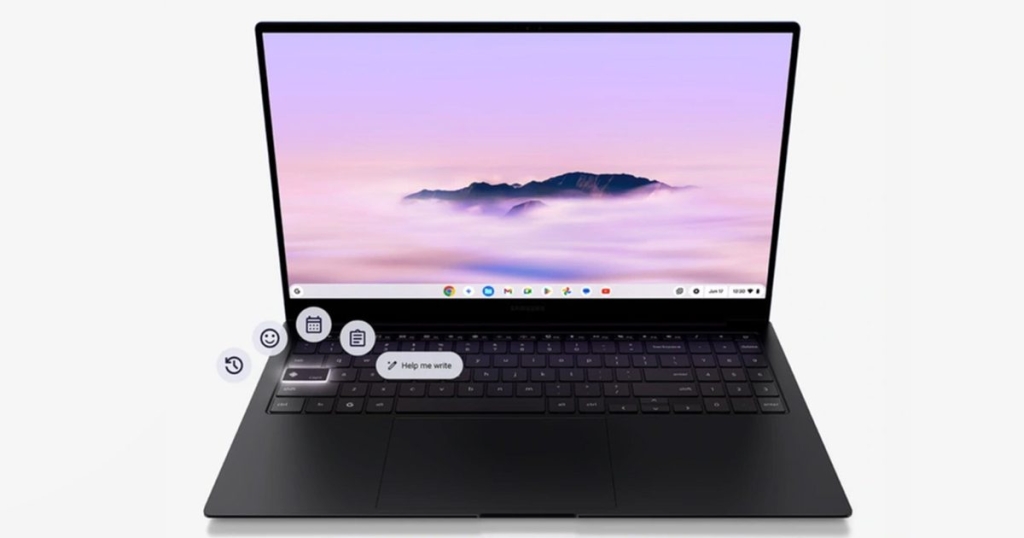
Google’s Android PC Revolution: The Long Road to Aluminium OS
Google’s ambitious plans for an Android-based PC operating system, codenamed Aluminium OS, have hit a major speed bump, with new reports suggesting the revolutionary platform might not see the light of day until 2028 or later. What initially appeared to be Google’s next big move in computing is now shaping up to be a marathon rather than a sprint.
The Promise of Android on the Desktop
When whispers of Aluminium OS first emerged, tech enthusiasts worldwide buzzed with excitement. The concept was tantalizing: take Android’s massive app ecosystem, user-friendly interface, and mobile-first design philosophy, then supercharge it for the desktop experience. Google had already demonstrated its ability to bridge mobile and desktop computing with ChromeOS, but Aluminium promised something different—a true Android-native PC experience that could potentially challenge Windows’ dominance in the desktop space.
The initial revelations included tantalizing details about hardware specifications and even glimpses of a stripped-down Pixel Camera app designed specifically for these Android PCs. Industry analysts speculated that Google was preparing to launch a new category of devices that would blur the lines between tablets, laptops, and traditional desktop computers.
The Reality Check
However, according to detailed reporting from The Verge, citing court filings and internal Google documents, the Aluminium OS project faces significant hurdles that could delay its public release by several years. The timeline suggests that even limited testing might not begin until well into 2026, with a full public launch potentially pushed to 2028 or beyond.
This delay isn’t merely a technical issue—it’s a complex web of strategic, legal, and practical challenges that Google must navigate before Aluminium can become a reality.
The ChromeOS Conundrum
One of the biggest obstacles facing Aluminium is ChromeOS itself. Google’s current desktop operating system powers millions of Chromebooks worldwide, particularly in education and enterprise sectors where its simplicity, security, and cloud-based approach have proven incredibly successful. The company has committed to supporting ChromeOS for up to 10 years on existing devices, which could extend support into the early 2030s.
This creates a fascinating dilemma: how does Google introduce a new operating system while simultaneously maintaining support for its existing platform? The answer appears to be a gradual transition rather than a sudden switch. Industry experts suggest that ChromeOS and Aluminium might coexist for years, with Google carefully managing the migration of users and developers between platforms.
Technical Challenges Abound
Beyond the strategic considerations, Aluminium faces significant technical hurdles. Android was designed primarily for touch interfaces and mobile devices, and adapting it for traditional PC use cases requires substantial modifications. Keyboard and mouse interactions, multi-window management, file system navigation, and productivity workflows all need to be reimagined for the Android framework.
The current tablet mode in Android provides a foundation, but it’s far from the robust desktop experience users expect from a PC operating system. Google engineers must essentially rebuild Android’s user interface from the ground up to accommodate desktop conventions while maintaining the simplicity and intuitiveness that made Android successful on mobile devices.
The Developer Ecosystem Challenge
Perhaps the most daunting challenge is the developer ecosystem. Android developers have spent years optimizing their apps for mobile devices, and convincing them to adapt their creations for desktop use represents a significant undertaking. Will developers prioritize Aluminium development over their existing mobile apps? How will they manage the fragmentation between Android mobile, Android PC, and ChromeOS platforms?
Google must provide compelling incentives for developers to embrace Aluminium, including robust development tools, monetization opportunities, and a clear path to reaching new audiences. The company’s track record with platform transitions suggests this won’t be easy, as evidenced by the slow adoption of Android tablets despite years of effort.
Legal and Regulatory Headwinds
Adding another layer of complexity are the ongoing antitrust investigations and regulatory scrutiny surrounding Google’s business practices. The court documents referenced in the reporting suggest that Google’s laptop OS strategy intersects with Play Store rules and other regulatory concerns that could affect how tightly Google bundles its apps and services on Aluminium devices.
This regulatory landscape creates additional uncertainty around Aluminium’s launch timeline and feature set. Google must navigate these legal challenges while ensuring that Aluminium remains competitive and attractive to both users and hardware partners.
What This Means for Consumers
For consumers eagerly anticipating Android PCs, the message is clear: patience is required. ChromeOS will remain Google’s primary PC platform for the foreseeable future, and Aluminium appears to be more of a long-term evolution than an imminent replacement.
This extended timeline provides both advantages and disadvantages for potential buyers. On the positive side, it gives Google more time to refine Aluminium and address the numerous challenges it faces. The additional development time could result in a more polished and capable product when it finally arrives.
However, the delay also means that consumers interested in Google’s vision for Android PCs may need to wait several years before seeing commercial devices hit the market. Those considering purchasing a Chromebook today can do so with confidence, knowing that their investment will be supported for the foreseeable future.
The Road Ahead
Industry analysts suggest that when Aluminium does eventually launch, it will likely begin as a premium offering rather than a mass-market platform. Google may initially target specific use cases or professional segments where the benefits of Android’s ecosystem can be most effectively leveraged.
The transition to Aluminium will almost certainly be gradual, with Google carefully managing the migration of users and developers between platforms. Expect to see hybrid devices that can run both ChromeOS and Aluminium, allowing users to transition at their own pace.
Looking Beyond 2028
While the 2028 timeline might seem distant, it’s important to remember that major platform transitions in the tech industry often take years to fully materialize. Microsoft’s transition from Windows 7 to Windows 10 took nearly a decade, and Apple’s shift from Intel to Apple Silicon is still ongoing years after its announcement.
Google appears to be taking a measured approach to Aluminium, recognizing that rushing the platform to market could result in a subpar experience that damages Android’s reputation in the desktop space. The company seems committed to getting it right rather than getting it first.
The Bigger Picture
The Aluminium OS story reflects broader trends in the technology industry, where the lines between mobile and desktop computing continue to blur. As smartphones become more powerful and laptops become more versatile, the distinction between these categories becomes increasingly artificial.
Google’s efforts with Aluminium represent an attempt to create a unified computing experience that spans multiple device types. While the journey may be longer and more complicated than initially anticipated, the destination—a truly seamless computing experience across all devices—remains compelling.
For now, the tech world will watch and wait as Google navigates the complex path toward Aluminium OS. The company’s success or failure with this ambitious project could reshape the computing landscape for years to come, making it one of the most closely watched developments in the industry.
Tags: Android PC, Aluminium OS, ChromeOS, Google operating system, desktop Android, Chromebook future, tech innovation, computing evolution, mobile desktop convergence, Google strategy, antitrust concerns, developer ecosystem, platform transition, future of computing
Viral Phrases: “Android on your desktop is coming… eventually,” “Google’s $10 billion bet on Aluminium OS,” “The ChromeOS killer that isn’t ready yet,” “Why your next PC might run Android,” “Google’s 5-year secret project finally revealed,” “The operating system that could change everything,” “Android PCs: The revolution that’s taking forever,” “Google’s master plan for desktop domination,” “The future of computing is Android, but not today,” “Why ChromeOS isn’t going anywhere (yet)”
,


Leave a Reply
Want to join the discussion?Feel free to contribute!