
Valve’s Steam Machine has been delayed, and the RAM crisis will impact pricing
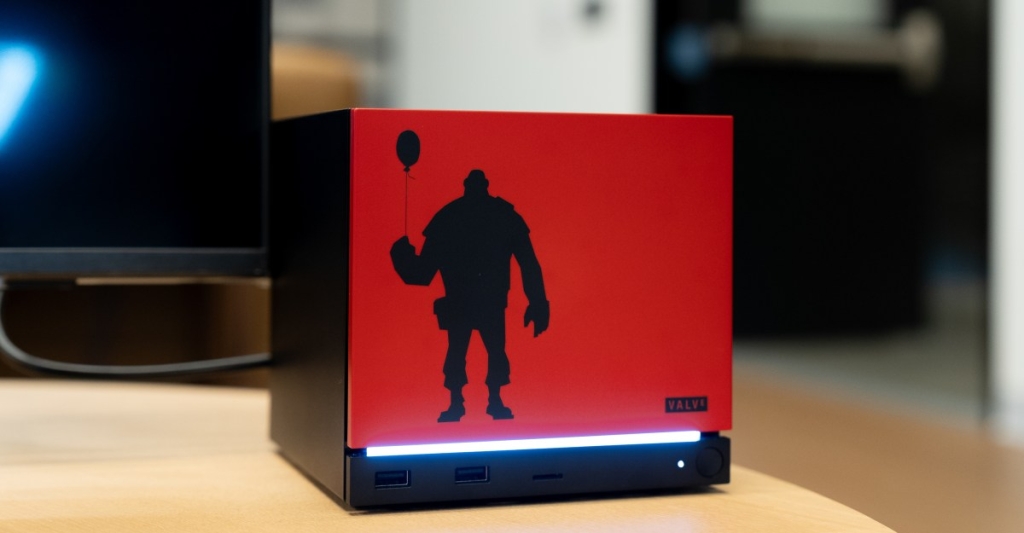
Valve’s Hardware Dreams Delayed: How the Global Memory Crisis is Reshaping the Future of Gaming
When Valve first unveiled its ambitious lineup of next-generation gaming hardware last November, the gaming world collectively held its breath. The Steam Machine promised to revolutionize living room PC gaming, the Steam Frame aimed to redefine virtual reality immersion, and the Steam Controller sought to bridge the gap between traditional console controllers and PC gaming precision. The company boldly declared that these three revolutionary products would begin shipping in early 2026, setting the gaming community ablaze with anticipation.
However, the harsh realities of global supply chain economics have intervened in spectacular fashion. What began as a straightforward hardware launch has transformed into a cautionary tale about the fragility of modern technology manufacturing. The culprit? A perfect storm of memory and storage component shortages that have sent shockwaves through the entire tech industry.
The Memory Crunch That Changed Everything
The situation has deteriorated rapidly since Valve’s initial announcement. Memory and storage prices have skyrocketed across the industry, creating a bottleneck that threatens to derail even the most well-funded hardware launches. Valve’s recent announcement reveals that what was supposed to be a Q1 2026 launch has now been pushed into the first half of the year, with pricing expectations requiring a complete recalibration.
“We planned on being able to share specific pricing and launch dates by now,” Valve admitted in a candid statement to the community. “But the memory and storage shortages you’ve likely heard about across the industry have rapidly increased since then. The limited availability and growing prices of these critical components mean we must revisit our exact shipping schedule and pricing.”
The numbers tell a sobering story. PC gamers have witnessed RAM prices triple or even quadruple since early 2026, as memory manufacturers redirect their production capacity toward the more profitable AI server market. This shift represents a fundamental reallocation of resources that prioritizes enterprise computing over consumer gaming hardware.
AMD’s Role in the Equation
Adding another layer of complexity to the situation, AMD CEO Lisa Su recently provided an update during an earnings call that initially seemed promising. “From a product standpoint, Valve is on track to begin shipping its AMD-powered Steam Machine early this year,” she stated, words that sent ripples of excitement through the gaming community.
However, the phrase “from a product standpoint” carries significantly more weight than many initially realized. While the hardware itself may be ready for production, the economic realities of component pricing have created an insurmountable barrier to the original launch timeline.
The Pricing Conundrum
When journalists from The Verge and other outlets met with Valve for hands-on previews of the new hardware, the company remained notably vague about pricing—one of the most critical factors determining whether these devices would compete with traditional game consoles or remain in the PC gaming niche.
Valve’s initial positioning strategy was clear: the Steam Machine would be “positioned closer to the entry level of the PC space,” the Frame would aim to undercut the Index’s $999 price point, and the Steam Controller would target competitive pricing with other advanced input devices. These ambitions now appear increasingly difficult to achieve in the current market conditions.
The company had already warned journalists that the market was “kind of weird” and that “memory prices are going up like right as we speak.” What seemed like a temporary fluctuation has instead evolved into a fundamental restructuring of the memory market that threatens to push Valve’s hardware beyond the price points that would make them competitive alternatives to established gaming platforms.
The Broader Industry Impact
Valve’s predicament is far from unique. The memory and storage crunch has affected virtually every segment of the technology industry, from smartphone manufacturers to data center operators. However, Valve’s situation is particularly illustrative because it involves consumer-facing products that were already designed with aggressive pricing targets in mind.
The company’s decision to delay rather than proceed with uncertain pricing demonstrates a commitment to delivering value to consumers, even if it means missing original launch windows. This approach, while frustrating for eager customers, suggests that Valve is prioritizing long-term market success over short-term launch momentum.
Looking Ahead
Despite the setbacks, Valve maintains that its goal of shipping all three products in the first half of 2026 remains unchanged. The company is working diligently to establish concrete pricing and launch dates that can be announced with confidence, acknowledging that “how quickly the circumstances around both of those things can change.”
This situation highlights the interconnected nature of modern technology manufacturing, where a surge in demand for AI servers can cascade down to affect consumer gaming hardware launches months later. It also underscores the challenges faced by companies attempting to innovate in established markets while maintaining competitive pricing.
For the gaming community, the delay represents both disappointment and opportunity. While eager gamers must wait longer for these potentially revolutionary products, the additional development time could result in more polished, better-optimized hardware. Moreover, the delay provides Valve with crucial time to navigate the volatile memory market and potentially secure more favorable component pricing.
The Road Forward
As Valve works to resolve these challenges, the gaming world watches with bated breath. The success or failure of this hardware launch could have significant implications for the future of PC gaming in the living room, virtual reality adoption, and the evolution of gaming controllers.
The company’s transparent communication about the challenges it faces has been appreciated by the community, even as it delivers disappointing news. This approach suggests that Valve understands the importance of managing expectations in an era where supply chain disruptions have become increasingly common.
The memory and storage crisis that has derailed Valve’s ambitious hardware launch serves as a reminder of the complex web of dependencies that underlies modern technology production. As the company works to overcome these challenges, the gaming community remains hopeful that the wait will be worth it for what could be truly transformative gaming hardware.
Tags: #Valve #SteamMachine #SteamFrame #SteamController #GamingHardware #MemoryCrisis #SupplyChain #PCGaming #VirtualReality #GamingNews #TechDelays #AMD #GamingIndustry #HardwareLaunch #TechNews
Viral Phrases: “Memory prices are going up like right as we speak,” “From a product standpoint,” “The market is kind of weird,” “Entry level of the PC space,” “Revolutionizing living room gaming,” “The memory crunch that changed everything,” “Supply chain economics intervened,” “Perfect storm of shortages,” “Fundamental restructuring of the memory market,” “Cascade effect from AI servers to gaming hardware,” “Commitment to delivering value,” “Navigating the volatile memory market,” “Bated breath of the gaming world,” “Complex web of dependencies,” “Transformative gaming hardware.”
,


Leave a Reply
Want to join the discussion?Feel free to contribute!