
The Galaxy S26 series might not offer the Pixel 10’s biggest upgrade after all
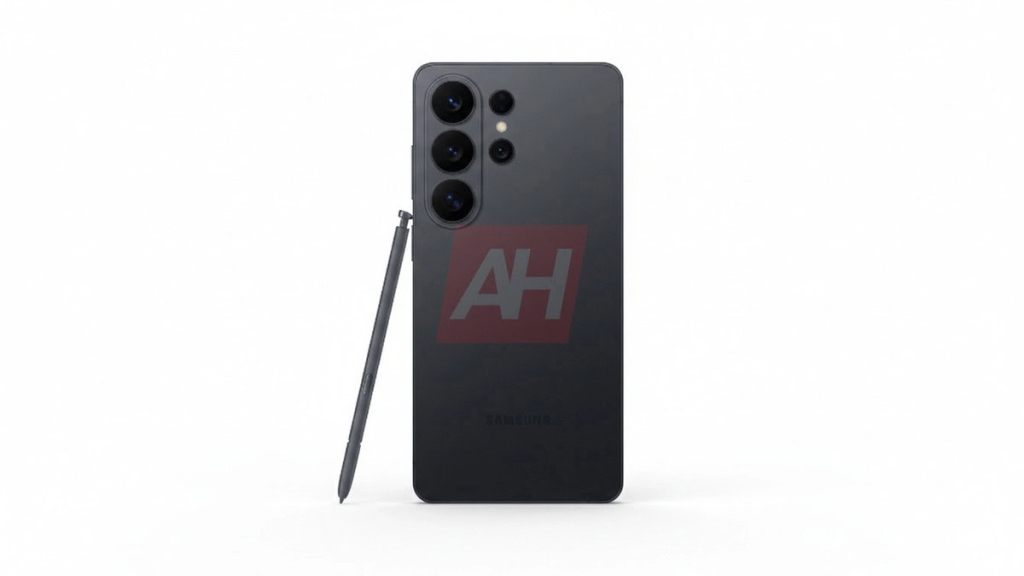
Samsung Galaxy S26 Ultra Might Ditch Built-In Magnets — Here’s What That Means for You
In a shocking twist that has the tech world buzzing, a new leak suggests Samsung may abandon its plans to integrate magnets into the Galaxy S26 Ultra, a move that could significantly impact how users interact with their devices and accessories.
The Magnet Controversy: What We Thought We Knew
For months, the rumor mill had been churning with speculation that Samsung’s upcoming flagship would finally embrace the magnetic accessory ecosystem that competitors like Google have been capitalizing on. The Galaxy S26 series was widely expected to feature built-in Qi2 magnets, allowing for seamless attachment of MagSafe-style accessories and faster wireless charging alignment.
The promise of integrated magnets represented more than just a convenience feature—it signaled Samsung’s willingness to adopt industry standards and potentially catch up with Apple’s well-established MagSafe ecosystem. For Galaxy fans, this was seen as a long-overdue modernization of Samsung’s hardware approach.
The Plot Twist: Ice Universe’s Bombshell Revelation
However, prominent leaker Ice Universe has thrown cold water on these expectations with a bombshell claim that the Galaxy S26 Ultra will ship without built-in magnets after all. According to the tipster’s “independent sources,” Samsung has reversed course on this highly anticipated feature.
This revelation is particularly jarring because it directly contradicts multiple previous leaks that had painted a very different picture. The tech community is now left scrambling to understand what prompted this dramatic about-face from one of the world’s largest smartphone manufacturers.
The Technical Headache: S Pen Interference
One compelling explanation for Samsung’s apparent change of heart involves the Galaxy S25 Ultra’s S Pen functionality. Users discovered that magnetic accessories attached to cases could interfere with the S Pen’s operation, creating a frustrating user experience that Samsung likely wants to avoid repeating.
This technical limitation presents a classic engineering dilemma: how do you balance the desire for modern features with the need to maintain core functionality? For a device like the Galaxy S Ultra, where the S Pen is a signature feature, any compromise to its performance would be unacceptable.
The Accessory Economy Angle
Another perspective to consider is the financial implications of built-in magnets. By requiring users to purchase separate magnetic cases, Samsung potentially opens up a new revenue stream through its accessory ecosystem. This strategy isn’t unprecedented—many manufacturers have found success in creating proprietary accessory requirements.
However, this approach also risks frustrating consumers who expect comprehensive feature sets in premium flagship devices. The question becomes whether the additional accessory sales justify potential damage to Samsung’s reputation for delivering value in its Ultra lineup.
Qi2 Wireless Charging: Still in Play?
Despite the magnet controversy, there’s still hope for improved wireless charging capabilities. Rumors suggest that the entire Galaxy S26 lineup could receive faster wireless charging speeds across all models. There’s also conflicting information about potential wired charging upgrades, with the base S26 possibly getting 45W speeds and the Ultra potentially reaching 60W.
These charging improvements could help offset some disappointment about the missing magnets, though they address different aspects of the user experience. Fast charging remains a crucial feature for many users, particularly those who rely heavily on their devices throughout the day.
The Competitive Landscape
Samsung’s apparent decision comes at a particularly interesting time in the smartphone market. Google has already embraced Qi2 magnets with the Pixel 10 series, and other manufacturers have been integrating similar technology for years. HMD, for instance, became the first Android OEM to offer integrated Qi2 magnets nearly two years ago.
This puts Samsung in an awkward position—trailing competitors on a feature that many consumers now consider standard in premium devices. The company will need to carefully communicate its reasoning to avoid appearing behind the curve technologically.
What This Means for Consumers
For potential Galaxy S26 Ultra buyers, this news presents a significant consideration. Those who were excited about the prospect of magnetic accessories will need to factor in the additional cost of compatible cases. This effectively turns what should be a built-in feature into a premium add-on, potentially increasing the total cost of ownership.
The situation also raises questions about Samsung’s long-term strategy for magnetic accessories. Will the company eventually integrate magnets in future models? Or is this a permanent shift in approach? These unanswered questions could influence purchasing decisions for consumers on the fence about upgrading.
The Bigger Picture: Innovation vs. Iteration
Samsung’s apparent pivot away from built-in magnets reflects a broader tension in the smartphone industry between innovation and iteration. As devices become increasingly refined, manufacturers must carefully choose which features to prioritize and which to leave for future iterations.
This decision also highlights the complex trade-offs involved in smartphone design, where adding one feature can sometimes compromise another. Samsung’s choice suggests they’ve determined that maintaining optimal S Pen performance outweighs the benefits of integrated magnets—at least for now.
Looking Ahead
As we approach the expected launch window for the Galaxy S26 series, more details will undoubtedly emerge to clarify Samsung’s position on magnets and other features. The tech community will be watching closely to see if Ice Universe’s claim holds true or if there are additional factors at play that could still result in built-in magnets making the final cut.
#Samsung #GalaxyS26Ultra #GalaxyS26 #TechLeaks #SmartphoneNews #MobileTechnology #AndroidFlagship #Qi2 #MagneticAccessories #TechRumors #SamsungNews #FlagshipPhones #MobileInnovation #TechIndustry #SmartphoneDesign
Is Samsung making a mistake by removing magnets?
Galaxy S26 Ultra magnets controversy explained
Why Samsung might ditch built-in magnets
Qi2 support without integrated magnets
Samsung’s magnetic accessory strategy
Galaxy S26 Ultra feature rumors
Tech industry’s magnetic accessory wars
Samsung vs Google magnetic approach
Premium phone feature expectations
Smartphone innovation trade-offs
S Pen functionality concerns
Wireless charging speed upgrades
Mobile accessory ecosystem impact
Flagship phone buying decisions
Tech leak credibility analysis
Samsung’s competitive positioning
Consumer reaction to feature removals
Smartphone design compromise
Industry standard adoption delays
Premium device value proposition
,
Leave a Reply
Want to join the discussion?Feel free to contribute!