
AI Surveillance Marks a New Phase for South Korea’s Crypto Markets
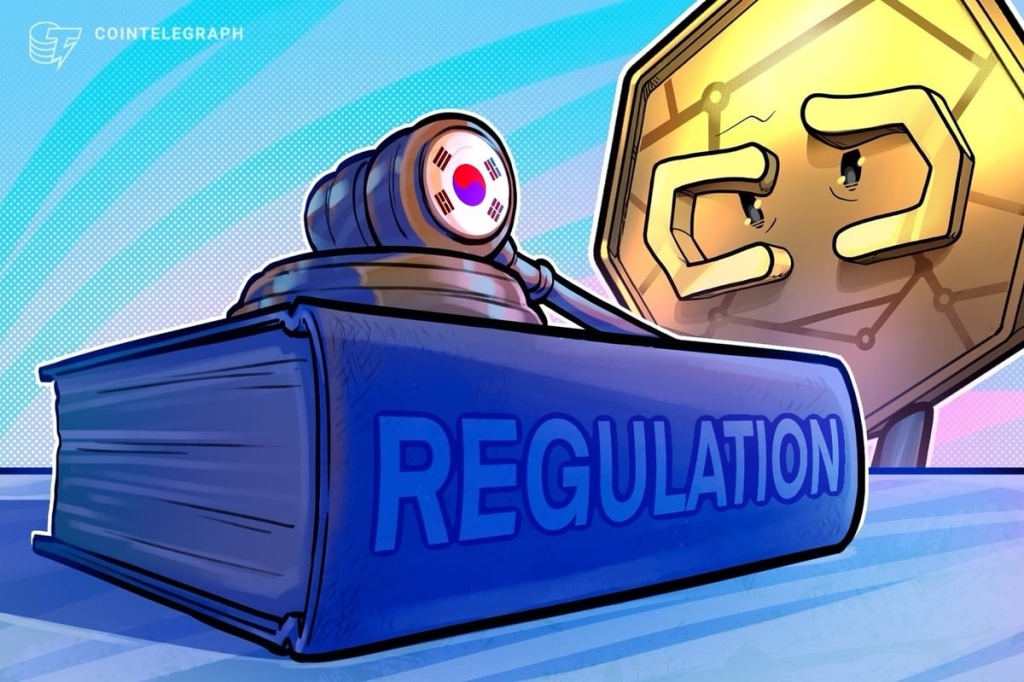
South Korea Tightens Crypto Oversight as Regulators Deploy AI to Combat Market Manipulation
In a bold move signaling a new era of cryptocurrency regulation, South Korean authorities are dramatically ramping up their oversight of the domestic digital asset market. The Financial Supervisory Service (FSS) has unveiled an aggressive strategy to detect and combat suspicious trading activity, particularly in the wake of renewed market volatility that has shaken investor confidence.
The latest flashpoint in this regulatory crackdown emerged when the FSS announced it was conducting a comprehensive review of extreme price movements in the ZKsync token on Upbit, South Korea’s largest cryptocurrency exchange. The volatility, which spiked dramatically during a routine system maintenance window, has raised red flags among regulators who are increasingly concerned about potential market manipulation.
“This case is indicative of how regulators now respond to sudden price swings,” explained FSS officials cited by The Korea Economic Daily. “The focus is less on isolated incidents and more on strengthening systems and clarifying expectations for exchanges operating as critical infrastructure.”
The scrutiny of ZKsync represents just the tip of the iceberg in South Korea’s comprehensive approach to crypto market oversight. The FSS has implemented an advanced artificial intelligence system that can automatically detect potential manipulation across different time frames, significantly reducing the reliance on manual investigations and enabling earlier detection of suspicious trading patterns.
A Technological Arms Race in Crypto Surveillance
The AI-powered surveillance system marks a significant evolution in regulatory capabilities. The technology can analyze vast amounts of trading data in real-time, identifying patterns that might indicate coordinated manipulation efforts, wash trading, or other forms of market abuse that were previously difficult to detect.
“Additional planned upgrades include tools to detect coordinated trading networks and trace the origin of funds used in suspected manipulation,” FSS representatives revealed. This enhanced capability allows regulators to not only identify suspicious activity but also map out complex networks of traders who might be working together to manipulate market prices.
The technological advancement comes at a crucial time when the cryptocurrency market has experienced significant volatility, with tokens experiencing wild price swings that can wipe out billions in market capitalization within hours. The ZKsync incident, where price movements became extreme during a maintenance window, exemplifies the kind of market behavior that keeps regulators awake at night.
From Detection to Prevention: Pre-emptive Measures
South Korea’s regulatory approach has evolved from purely reactive measures to a more proactive stance. The Financial Services Commission (FSC) is currently weighing mechanisms to enable pre-emptive freezing of funds, a powerful tool that could prevent the laundering of illicit proceeds linked to active investigations.
This pre-emptive capability represents a significant shift in how regulators approach market manipulation. Rather than waiting for manipulation to occur and then investigating after the fact, authorities are positioning themselves to intervene before damage can be done to the broader market.
The timing of these regulatory enhancements is particularly noteworthy, coming as South Korea’s cryptocurrency market continues to grow in sophistication and trading volume. With millions of retail investors participating in crypto trading, the potential for market manipulation and its cascading effects on the broader economy has become a top priority for regulators.
Criminal Penalties Begin to Take Shape
The regulatory crackdown is not just about surveillance and prevention—it’s also about enforcement. In a landmark case that sent shockwaves through the crypto industry, the Seoul Southern District Court handed down its first prison sentence under South Korea’s Virtual Asset User Protection Act.
A crypto executive, identified only by the surname Lee, received a three-year prison sentence for price manipulation involving a token listed on local exchange Bithumb. The court found that Lee’s actions—including repeated high-price buying, low-price selling, and the placement of deceptive buy orders—constituted clear market manipulation under the new legislation.
“This conviction sends a clear message to the industry,” legal experts noted. “The days of operating in regulatory gray areas are over. South Korea is establishing itself as a jurisdiction where crypto market manipulation will be met with serious criminal consequences.”
The prison sentence represents a significant escalation in how cryptocurrency-related crimes are treated in South Korea. Previously, many such cases might have resulted in fines or civil penalties, but the new Virtual Asset User Protection Act provides for criminal prosecution and imprisonment.
The Broader Context: Regional and Global Implications
South Korea’s aggressive stance on crypto regulation comes at a time when the global cryptocurrency industry is grappling with questions of legitimacy, security, and appropriate oversight. The country’s approach—combining advanced technological surveillance with criminal enforcement—may serve as a model for other jurisdictions wrestling with similar challenges.
The regulatory push also reflects South Korea’s unique position in the global cryptocurrency ecosystem. With one of the world’s most active retail crypto trading populations and several major exchanges headquartered within its borders, the country has become a bellwether for how cryptocurrency markets might evolve under increased regulatory scrutiny.
Industry observers note that South Korea’s approach represents a middle path between the complete bans implemented by some countries and the relatively hands-off approach taken by others. By embracing technology to enhance surveillance while also establishing clear criminal penalties, South Korea is attempting to create a framework that protects investors without stifling innovation.
Market Response and Industry Adaptation
The cryptocurrency industry in South Korea has been forced to adapt rapidly to the new regulatory environment. Exchanges are investing heavily in compliance infrastructure, upgrading their own monitoring systems, and working more closely with regulators to ensure they meet evolving standards.
However, the increased scrutiny has also raised concerns about the potential impact on market liquidity and trading volumes. Some market participants worry that overly aggressive regulation could drive trading activity to less regulated jurisdictions or push legitimate businesses out of the market entirely.
“These are legitimate concerns,” acknowledged regulatory experts. “But the alternative—allowing manipulation to go unchecked—could be far more damaging to the long-term health of the cryptocurrency market and the broader financial system.”
Looking Forward: The Evolution of Crypto Regulation
As South Korea continues to refine its approach to cryptocurrency oversight, several key trends are emerging that are likely to shape the future of crypto regulation globally:
First, the integration of artificial intelligence and machine learning into regulatory surveillance represents a fundamental shift in how authorities monitor financial markets. The ability to process vast amounts of trading data in real-time and identify suspicious patterns automatically will likely become standard practice across jurisdictions.
Second, the move toward pre-emptive intervention signals a recognition that traditional reactive approaches to market manipulation may be insufficient in the fast-moving world of cryptocurrency trading. The ability to freeze funds and prevent the execution of manipulative trades before they can impact the market represents a powerful new tool in the regulatory arsenal.
Third, the willingness to pursue criminal prosecutions for crypto-related offenses establishes important precedents that could influence how other jurisdictions approach enforcement. The prison sentence handed down in the Bithumb case demonstrates that authorities are prepared to treat cryptocurrency manipulation with the same seriousness as traditional market manipulation.
Finally, the coordinated approach between different regulatory bodies—the FSS focusing on surveillance and the FSC on prevention and enforcement—suggests that effective crypto regulation requires a multi-faceted strategy that addresses different aspects of the market simultaneously.
The Human Element: Protecting Retail Investors
Underlying South Korea’s regulatory push is a fundamental concern for retail investors who have poured billions of dollars into cryptocurrency markets. The extreme volatility witnessed in cases like the ZKsync token can have devastating consequences for individual investors, many of whom may not fully understand the risks involved in crypto trading.
By implementing stricter oversight and enforcement mechanisms, regulators are attempting to create a more stable and trustworthy environment for retail participation in cryptocurrency markets. This protective stance reflects a broader recognition that as cryptocurrency becomes more mainstream, the need to safeguard ordinary investors becomes increasingly important.
The challenge for regulators will be to strike the right balance between protection and innovation, ensuring that the cryptocurrency industry can continue to evolve and provide value to users while preventing the kind of manipulation and abuse that could undermine confidence in the entire sector.
Tags & Viral Phrases:
- South Korea crypto crackdown intensifies
- AI-powered crypto surveillance goes live
- First prison sentence for crypto manipulation in South Korea
- Regulators move faster on market manipulation
- ZKsync price volatility triggers investigation
- Upbit under regulatory microscope
- Financial Supervisory Service deploys cutting-edge AI
- Pre-emptive fund freezing powers debated
- Virtual Asset User Protection Act takes effect
- Cryptocurrency market manipulation faces criminal penalties
- South Korea sets global standard for crypto regulation
- Retail investors get new protections
- Exchanges adapt to stricter oversight
- Coordinated trading networks targeted
- Real-time crypto market monitoring
- Bithumb manipulation case makes history
- Cryptocurrency regulation enters new era
- Market surveillance technology revolutionizes oversight
- Criminal enforcement in crypto markets
- South Korea leads crypto regulatory innovation
,


Leave a Reply
Want to join the discussion?Feel free to contribute!