
New Raspberry Pi 4 models splits RAM across dual chips
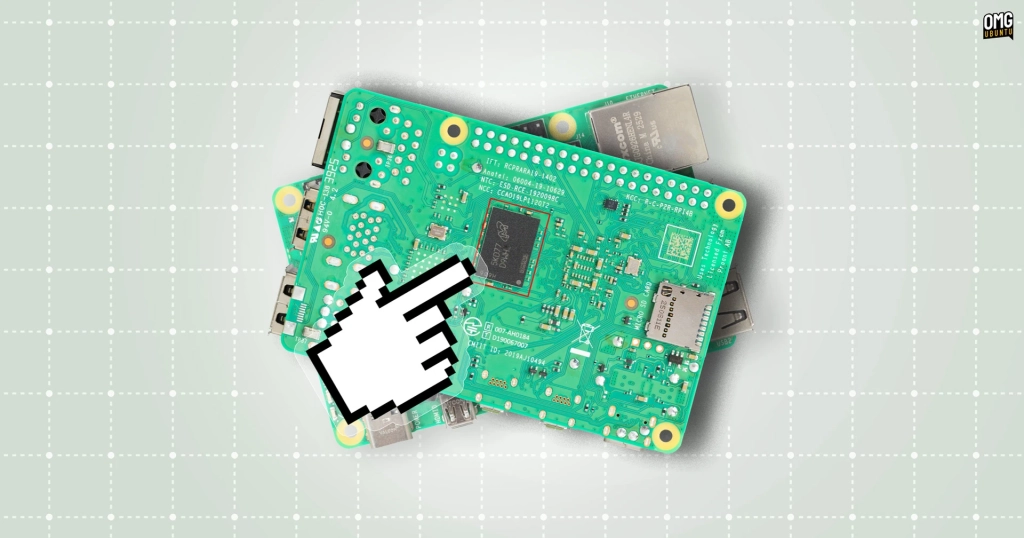
In a move that’s as stealthy as it is significant, the Raspberry Pi Foundation has quietly rolled out a new revision of its wildly popular Raspberry Pi 4 Model B—dubbed Rev 1.5. While it might look almost identical to its predecessors at first glance, this subtle hardware tweak is anything but trivial. The star of the show? A dual-RAM configuration that promises to boost manufacturing efficiency, improve supply chain flexibility, and—most importantly—help keep costs in check during these turbulent times of soaring component prices.
If you’ve been living under a rock (or perhaps just buried in your latest Pi project), you’ll know that RAM prices have skyrocketed recently. This is precisely why Raspberry Pi announced significant price hikes across its Pi 4, Pi 5, and Compute Module lineups just last week. In this context, the shift to a dual-RAM setup isn’t just a clever engineering choice—it’s a strategic necessity.
Let’s break it down: earlier versions of the Raspberry Pi 4 (v1.1 through 1.4) featured a single RAM chip soldered to the top of the board. The new Rev 1.5, however, introduces a second LPDDR4 chip on the underside, along with some passive components that have been relocated. This dual-RAM configuration allows Raspberry Pi to combine two smaller, marginally cheaper modules to achieve the same total RAM capacity, all while navigating the choppy waters of fluctuating component costs.
But the benefits don’t stop at cost savings. According to the official product change notice, Rev 1.5 also employs “intrusive reflow soldering.” This manufacturing tweak enables faster assembly times, as through-hole components are soldered simultaneously with surface-mounted parts. The result? More efficient production, which generally translates to lower expenses—a win-win for both Raspberry Pi and its loyal community of makers, educators, and tinkerers.
Now, you might be wondering: does this hardware change affect performance? The short answer is no. The Broadcom BCM2711 SoC at the heart of the Pi 4 features a 32-bit wide memory interface, meaning the bandwidth remains identical. This isn’t about doubling the memory bus; it’s simply a physical split, not a logical one. So, whether you’re running a home media server, a retro gaming rig, or a machine learning prototype, you can expect the same snappy performance as before.
Compatibility is another area where Rev 1.5 shines. The new board works seamlessly with all existing official accessories, HATs, and add-ons. Any operating system that supports the Pi 4 will run without a hitch. However, there’s a small caveat: because the memory setup is different, you’ll need to flash a new version of the bootloader before you can boot up your Pi. Older firmware—such as what’s included on pre-existing OS images like Ubuntu’s—won’t “see” the RAM on the new board. Attempting to run an older image will likely result in a flashing LED error code, where the green light blinks but nothing boots.
Thankfully, this is easily remedied. Simply flash the latest Raspberry Pi OS to an SD card and run through the standard rpi-eeprom update flow to install pieeprom-2026-01-09.bin. Once that’s done, you’ll be up and running in no time.
For those considering a Pi for their next project, there’s no need to hunt down an earlier revision. This is still a Raspberry Pi 4, just with a different (and more cost-effective) arrangement of RAM modules. The new revision may already be available from approved Raspberry Pi resellers, but without an official announcement, it’s just… a revision. Retailers likely have stock of earlier revisions, so if you’re set on getting this specific version, it might be worth checking before you buy.
Not sure which revision you have? Identifying a Rev 1.5 board is a breeze—no terminal commands required. Simply look for a large, square RAM chip soldered to the bottom of the board. Alternatively, check for the text “© 2025” in the silkscreen near the top of the CPU on the front. This date refers to the hardware revision, not the manufacturing date.
In summary, the Raspberry Pi 4 Model B Rev 1.5 is a masterclass in smart engineering and strategic adaptation. By embracing a dual-RAM configuration and optimizing its manufacturing process, Raspberry Pi has managed to navigate the challenges of today’s component market without compromising on performance or compatibility. Whether you’re a seasoned maker or a curious newcomer, this latest revision ensures that the Raspberry Pi remains as accessible, versatile, and powerful as ever.
Tags: Raspberry Pi, Raspberry Pi 4, dual-RAM, LPDDR4, hardware revision, Rev 1.5, supply chain, manufacturing efficiency, cost savings, component prices, intrusive reflow soldering, BCM2711, bootloader update, Raspberry Pi OS, makers, educators, tinkerers, tech innovation, affordable computing
Viral Sentences:
- “Raspberry Pi just pulled a sneaky hardware upgrade—and it’s all about the RAM!”
- “Dual-RAM Pi 4: The quiet revolution in your next DIY project.”
- “Supply chain woes? Raspberry Pi says, ‘No problem!’ with its latest revision.”
- “Is your Pi 4 running slower? Nope, it’s just got a new twin RAM setup.”
- “Raspberry Pi 4 Rev 1.5: Same power, smarter design, lower cost.”
- “Makers rejoice: The Pi 4 just got a stealthy upgrade that keeps it affordable.”
- “From single to dual RAM—Raspberry Pi’s clever move to beat the chip shortage.”
- “Don’t panic if your Pi ‘t boot—just update the bootloader and you’re golden!”
- “Spotting a Rev 1.5 Pi is as easy as checking for a second RAM chip on the bottom.”
- “Raspberry Pi proves once again why it’s the king of budget-friendly innovation.”
,


Leave a Reply
Want to join the discussion?Feel free to contribute!