
The toxic burden of pesticides is growing all around the world
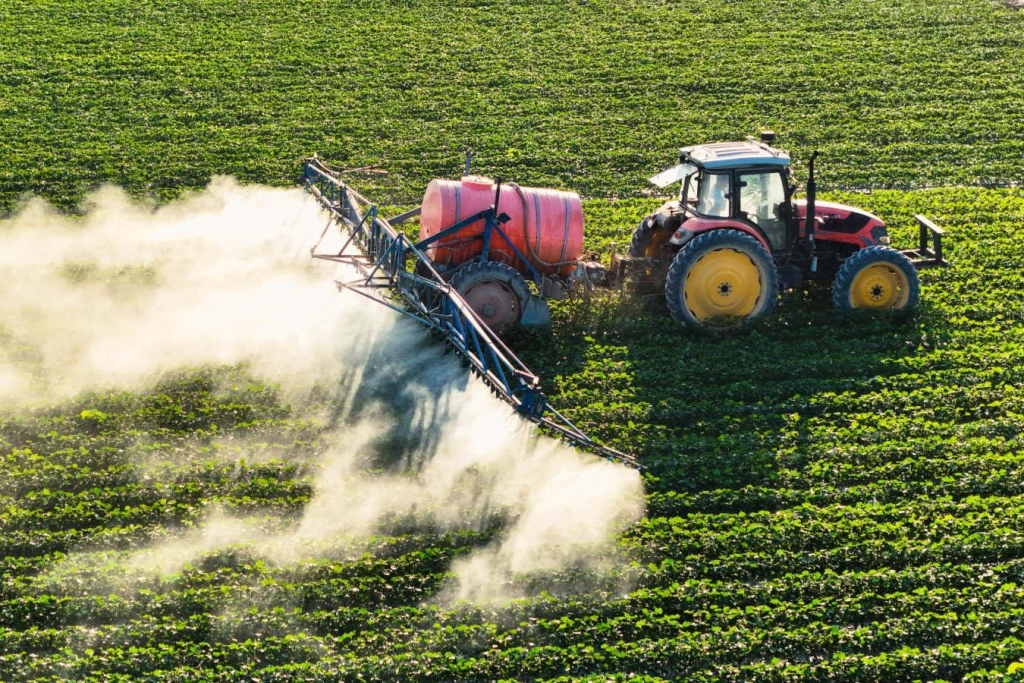
Pesticides Are More Toxic Than Ever: Study Shows Alarming Rise in Harm to Wildlife
Sixty years after Rachel Carson’s Silent Spring warned the world about the dangers of pesticides, a new study reveals that the harm they are causing to wildlife may be greater than ever. Researchers have found that the total applied toxicity of pesticides—measuring both the amount used and their toxicity to various species—has increased significantly across most countries since 2013.
The study, led by Ralf Schulz at RPTU University Kaiserslautern-Landau in Germany, analyzed data on 625 pesticides used in 201 countries from 2013 to 2019. The findings are sobering: globally, the total applied toxicity rose for six of eight groups of organisms, including pollinators (13% increase), fish (27% increase), and terrestrial arthropods like insects, crustaceans, and spiders (43% increase). Schulz warns that while these figures don’t guarantee toxic effects, they are a clear indicator of the growing threat to ecosystems.
The rise in toxicity is driven by two factors: an increase in the overall use of pesticides and the replacement of older chemicals with newer, more toxic ones. This shift is largely due to the evolution of resistant pests, which forces farmers to use stronger chemicals. Pyrethroids, for example, are particularly harmful to fish and aquatic invertebrates, while neonicotinoids pose a significant risk to pollinators.
The study also highlights the limitations of current risk assessments, which often underestimate exposure to pesticides. For instance, many pesticides are found in rivers and other environments at concentrations higher than regulators anticipated. Schulz emphasizes that the problem is not just the toxicity of individual chemicals but the cumulative impact of widespread pesticide use.
The findings come at a critical time. At the UN biodiversity summit in 2022, countries agreed to reduce the “overall risk” from pesticides by at least half by 2030. However, the study suggests that the world is moving in the opposite direction. Schulz and other experts argue that reducing pesticide use without addressing the root causes—such as pest resistance and agricultural practices—could have unintended consequences, including reduced farm productivity and increased land use.
Roel Vermeulen of Utrecht University in the Netherlands calls the trends “troubling” and stresses the need for action. He notes that a small number of highly toxic pesticides are responsible for most of the risk, making them clear targets for intervention. Transforming farming practices, he says, will require a broader societal shift, including changes in diets, reduced food waste, and fair pricing that reflects the true environmental costs of food production.
As the world grapples with the dual challenges of feeding a growing population and protecting biodiversity, the study serves as a stark reminder of the urgent need to rethink our approach to pest control. The legacy of Silent Spring lives on, but the fight to safeguard our ecosystems is far from over.
Tags:
Pesticides #Wildlife #Biodiversity #SilentSpring #RachelCarson #EnvironmentalScience #Agriculture #EcosystemHealth #UNBiodiversity #ToxicChemicals #Pyrethroids #Neonicotinoids #Glyphosate #SustainableFarming #FoodSecurity #ClimateChange #OrganicFarming #PestResistance #EcoFriendly #GreenLiving #NatureConservation #GlobalHealth #ScienceNews #TechNews #ViralScience #EnvironmentalAwareness
,


Leave a Reply
Want to join the discussion?Feel free to contribute!