
Pikachu and pals go wild: Pokémon theme park opens in Tokyo | Games
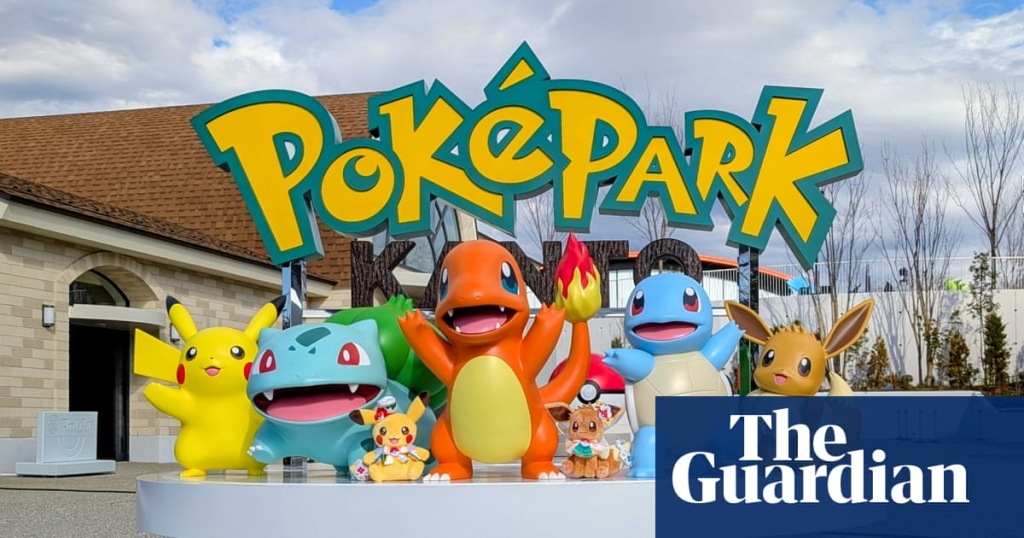
Pokémon’s First-Ever Theme Park Opens in Japan, Drawing Global Fans Earlier Than Ever
In Japan, February has long been a month of quiet contemplation, a time when winter festivals illuminate the snowy peaks of Sapporo and locals seek warmth in steaming onsen baths. Traditionally, the first wave of international tourists arrives with the cherry blossoms in spring—but this year, that timeline is shifting dramatically. Thanks to the grand opening of Pokémon’s first-ever amusement park on February 5th, travelers are expected to arrive months earlier than usual, eager to immerse themselves in a world where fantasy creatures roam free.
Unlike the high-octane thrills of Tokyo DisneySea or Universal Studios Japan in Osaka, PokéPark Kanto offers a distinctly different experience. Nestled in the tranquil Tokyo suburb of Inagi—just a half-hour journey from the city center—this unique attraction is essentially a sprawling forest inhabited by meticulously crafted models of the beloved creatures from the globally adored Pokémon franchise. The park occupies a modest corner within Yomiuri Land, a less glitzy, funfair-style Japanese theme park, yet it manages to transport visitors into a realm that feels both magical and intimately connected to nature.
Spanning an impressive 26,000 square meters, the family-friendly destination is thoughtfully divided into two primary zones: the lush Pokémon Forest and the plaza-like Sedge Town. Access to the park operates through a lottery system, reflecting its immense popularity—tickets are currently sold out for the next three months. Pricing ranges from ¥7,900 (£38) for a standard adult ticket to ¥14,000 (£66) for a priority pass that allows visitors to skip queues, ensuring that even the most impatient trainers can maximize their experience.
The creative vision behind PokéPark Kanto was overseen by none other than Junichi Masuda, one of the original creators of Pokémon. As visitors wander through the explorable habitats, they encounter hundreds of Pokémon statues arranged in charming tableaus that depict various species interacting naturally with one another. The experience evokes the feeling of becoming a Pokédex-wielding David Attenborough, offering a rare glimpse into what it might be like to observe these fantastical creatures in their natural environment. Beaver-like Bidoofs can be seen using their prominent front teeth to gnaw at real trees, while worm-like Diglett emerge from the soil to greet a cheerful Eevee with friendly waves.
What makes the park truly remarkable is the attention to scale. Each Pokémon is presented at its full, canonical size, making the larger creatures particularly awe-inspiring. From a lorry-sized recreation of the rocky behemoth Onix to a herd of rhinoceros-sized Rhyhorns lining the main pathways, every habitat is a visual feast. Eagle-eyed visitors are rewarded with hidden creatures nestled among the trees and grass, creating an interactive scavenger hunt that delights children and adults alike.
After traversing the Pokémon Forest, visitors emerge into Sedge Town square, where they’re greeted by a vibrant Pokémon parade. The plaza offers a variety of Pokémon-themed fairground games, including ring toss variations, along with themed food options and an Eevee-inspired carousel. Guests can also step inside a real-life Pokémon Centre—an iconic building familiar from both the games and anime—and take a seat in a gym to witness live Pokémon battles that seamlessly blend human performers with cutting-edge animatronic technology.
The Pokémon Company has established numerous Pokémon Centre shops throughout Japan, each offering exclusive merchandise that can’t be found elsewhere. PokéPark Kanto continues this lucrative tradition, featuring plush toys, clothing, and other collectibles that require visitors to make the journey to the park itself. This strategy not only enhances the visitor experience but also creates a compelling reason for fans to travel internationally, further cementing Pokémon’s status as one of Japan’s most valuable cultural exports.
It’s somewhat surprising that it has taken three decades for a permanent Pokémon theme park to materialize. With Pikachu and friends celebrating their 30th anniversary this year, Pokémon remains the highest-grossing media franchise in the world, boasting an estimated lifetime revenue of $150 billion—comfortably surpassing even Disney’s most successful properties like Star Wars and Marvel. The Pokémon Company’s profits reached ¥70.3 billion in the year ending February 2025, approximately £337 million, and with the new theme park, upcoming games, and expanded merchandise lines, 2026 profits are projected to climb even higher.
Japan’s video game industry has long been a cornerstone of the country’s economy and cultural influence, but theme parks based on virtual stars represent a newer frontier. Since Super Nintendo World first opened at Universal Studios Japan in 2021, it has expanded to Universal’s parks in Hollywood and Florida, contributing to multi-billion dollar quarterly revenues across all locations. PokéPark Kanto represents the next evolution in this trend, offering a more intimate and nature-focused experience that complements rather than competes with the larger Universal properties.
The timing of PokéPark Kanto’s opening coincides with a significant shift in Japan’s tourism landscape. Following the pandemic, a weakened yen has attracted record numbers of international visitors, bringing substantial economic benefits but also creating challenges. The influx of 42 million tourists in 2025 has led to tensions between visitors and locals, with reports of influencers behaving badly, overcrowded streets, and a notable rise in anti-foreigner sentiment nationwide. Newly appointed Prime Minister Sanae Takaichi has already begun implementing stricter anti-tourist legislation, yet PokéPark Kanto’s family-friendly appeal and international draw are likely to continue attracting visitors to Japan’s already crowded capital.
As February unfolds in Japan, the quiet reflection traditionally associated with the month is being replaced by an electric buzz of anticipation. PokéPark Kanto isn’t just a theme park—it’s a testament to Pokémon’s enduring cultural impact, a bridge between digital fantasy and physical reality, and potentially a catalyst for transforming Japan’s tourism patterns. For fans around the world, the message is clear: if you want to experience this groundbreaking attraction, you’ll need to plan your journey earlier than ever before.
Tags
Pokémon theme park, PokéPark Kanto, Japan tourism, Pokémon 30th anniversary, Junichi Masuda, Yomiuri Land, family-friendly attractions, Pokémon merchandise, Japanese video game industry, Super Nintendo World, Tokyo attractions, international travel to Japan, Pokémon battles, Pokémon Centre, nature-themed park
Viral Sentences
- “The world’s most profitable media franchise finally gets its own permanent theme park!”
- “Imagine walking through a real Pokémon forest where every creature is life-sized!”
- “Pikachu and friends are about to change Japan’s tourism calendar forever!”
- “From your Game Boy to real life: Pokémon’s magical forest is now open!”
- “The Pokémon Company’s profits hit ¥70.3 billion—and this park is just getting started!”
- “Japan’s quiet February is about to get a whole lot more crowded with Pokémon fans!”
- “Experience what it’s like to be a real-life Pokémon trainer in this groundbreaking attraction!”
- “Forget cherry blossoms—Pokémon fans are arriving in Japan months earlier than ever!”
- “The ultimate Pokémon pilgrimage: a forest filled with 600+ lifelike Pokémon statues!”
- “This isn’t just a theme park; it’s a cultural phenomenon that’s reshaping Japanese tourism!”
,


Leave a Reply
Want to join the discussion?Feel free to contribute!