
The Washington Post is retreating from Silicon Valley when it matters most
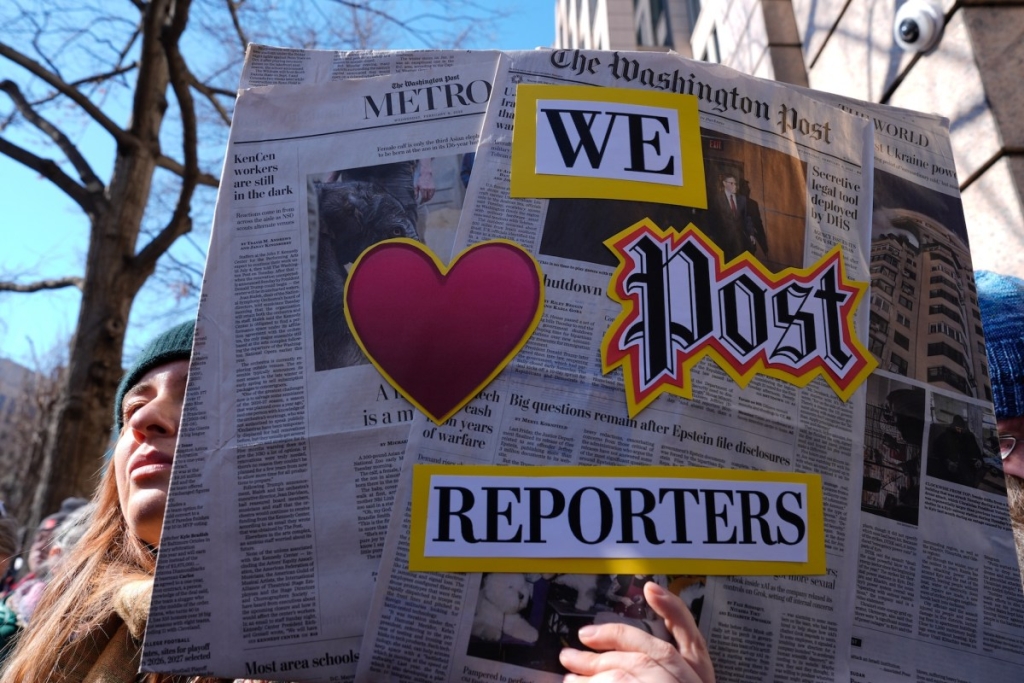
Tech Titans, Media Cuts, and the Shadows of Influence: Inside the Washington Post’s Dramatic Reshuffle
In an era where technology isn’t just a tool but the very fabric of modern life, the recent upheaval at the Washington Post has sent shockwaves through the media world. The once-mighty newspaper, now owned by Amazon billionaire Jeff Bezos, has slashed more than half of its tech, science, health, and business teams—a move that raises uncomfortable questions about the intersection of media, power, and the very industry it’s tasked with covering.
The Rise of the Tech Overlords
Let’s be clear: we live in a world sculpted by Silicon Valley’s elite. Machine learning, AI, and advanced manufacturing have infiltrated every corner of our lives—from the smartwatch on your wrist to the smartphone in your pocket, from the streaming services you binge to the algorithms curating your news feed. This technological revolution has minted fortunes, turning tech moguls into modern-day monarchs whose wealth and influence rival the Gilded Age barons of old.
Seven of the world’s ten richest individuals owe their fortunes to tech. Jeff Bezos, Elon Musk, Mark Zuckerberg, Larry Ellison, Larry Page, Sergey Brin, and Steve Ballmer aren’t just CEOs—they’re architects of the digital age, wielding power that shapes global economies, geopolitics, and even the flow of information itself.
The Washington Post’s Gutting: A Seismic Shift
Against this backdrop, the Washington Post’s recent layoffs—affecting over 300 employees—stand out not just for their scale but for their symbolism. The paper’s tech desk, once a robust team of investigative reporters and analysts, has been decimated, with 14 positions eliminated and its San Francisco bureau reduced to a shell. Reporters covering Amazon, artificial intelligence, internet culture, and media investigations were among those let go.
But the cuts didn’t stop there. The Post shuttered its entire sports bureau, gutted its foreign reporting teams (including those covering the Middle East, Ukraine, Russia, Iran, and Turkey), closed its Books section, and laid off all reporters and editors covering race and ethnicity issues nationally. In total, the newsroom was reduced from 80 to just 33 staff in the affected departments.
Why Tech Coverage Matters More Than Ever
Some might argue that tech journalism is a luxury in a world grappling with social, economic, and geopolitical crises. But that misses the point entirely. Never before have the people shaping our world—our economies, our politics, our very reality—been so directly responsible for controlling the narrative about themselves.
The tech industry isn’t just another beat. It’s the engine driving the global economy, the battleground for geopolitical supremacy, and the gatekeeper of information in the digital age. When the Washington Post, one of the most influential newspapers in the world, scales back its coverage of this sector, it’s not just a business decision—it’s a loss for democracy.
The Bezos Paradox
Jeff Bezos’s 2013 acquisition of the Washington Post was hailed as a potential lifeline for a struggling institution. Here was a tech billionaire with deep pockets and a reputation for innovation, promising to usher the paper into a new era. For a while, it seemed to work. The Post expanded its digital footprint, won Pulitzer Prizes, and became a must-read for political and business elites.
But the honeymoon didn’t last. Bezos’s decision to end the paper’s presidential endorsements—most notably, scrapping a draft backing Kamala Harris—reportedly led to hundreds of thousands of canceled subscriptions and a staggering $100 million loss in 2024. Web traffic, once a bright spot, has plummeted from 22.5 million daily visits in 2021 to just 3 million by mid-2024.
The layoffs, then, are part of a broader pattern of cost-cutting and strategic retreat. But they also reflect a deeper tension: the conflict between a newspaper’s journalistic mission and the interests of its billionaire owner.
The Broader Media Crisis
The Washington Post’s woes aren’t unique. The entire media industry is in crisis, buffeted by declining ad revenues, fragmented audiences, and the rise of AI-generated content. Google’s algorithm changes have redirected readers away from news sites and toward its own AI summaries, starving outlets of traffic and revenue.
But the Post’s situation is particularly fraught because of who owns it. Bezos isn’t just any billionaire—he’s the founder of Amazon, one of the most powerful companies in the world. His paper’s coverage of tech, and by extension, his own company, is inevitably colored by this relationship.
A Troubling Timeline
The timing of the layoffs is hard to ignore. As the Post prepared to cut a third of its staff, Bezos was touring Blue Origin’s facilities with Secretary of Defense Pete Hegseth—a move that underscores his deepening ties to the Trump administration. Just 48 hours later, the paper laid off the reporter who had covered Blue Origin’s own layoffs.
It’s a stark reminder of the power dynamics at play. In an age where tech billionaires are increasingly intertwined with government and global affairs, the role of independent journalism has never been more critical—or more threatened.
The Darkness Creeps In
The phrase “the darkness is creeping in” might sound dramatic, but it’s apt. As tech’s influence grows, and as the institutions meant to hold it accountable are hollowed out, we risk entering an era of unprecedented opacity. Without robust, independent coverage of the tech industry, how can the public understand—let alone challenge—the forces shaping their lives?
The Washington Post’s layoffs are a warning sign. They’re a reminder that in the battle for truth in the digital age, the stakes couldn’t be higher—and the consequences of failure couldn’t be more profound.
Tags: Washington Post layoffs, Jeff Bezos, tech journalism, media industry crisis, Silicon Valley influence, AI and media, Amazon, Blue Origin, Trump administration, media ownership, investigative reporting, digital age journalism, billionaire media moguls, Washington Post cuts, tech coverage decline, media democracy, information control, tech elite power, Washington Post restructuring, journalism in crisis
Viral Sentences:
- “The darkness is creeping in.”
- “Tech’s most powerful executives are asking the public to place their attention elsewhere.”
- “Never before have the people exerting outsized influence on the world’s geopolitics and economy also been so directly responsible for stemming the global flow of information about it.”
- “The tech industry isn’t just another beat. It’s the engine driving the global economy, the battleground for geopolitical supremacy, and the gatekeeper of information in the digital age.”
- “In an age where tech billionaires are increasingly intertwined with government and global affairs, the role of independent journalism has never been more critical—or more threatened.”
,


Leave a Reply
Want to join the discussion?Feel free to contribute!