
Scientists Created a ‘Universal’ Kidney To Match Any Blood Type : ScienceAlert
Scientists Edge Closer to Universal Kidney Transplants, Potentially Ending Decades-Long Waitlists
In a groundbreaking medical achievement that could revolutionize organ transplantation, researchers have made significant progress toward creating “universal” kidneys that can be accepted by patients regardless of their blood type. This development, the result of over a decade of intensive research, promises to dramatically reduce waiting times and save countless lives for those desperately needing kidney transplants.
A Decade of Scientific Persistence Pays Off
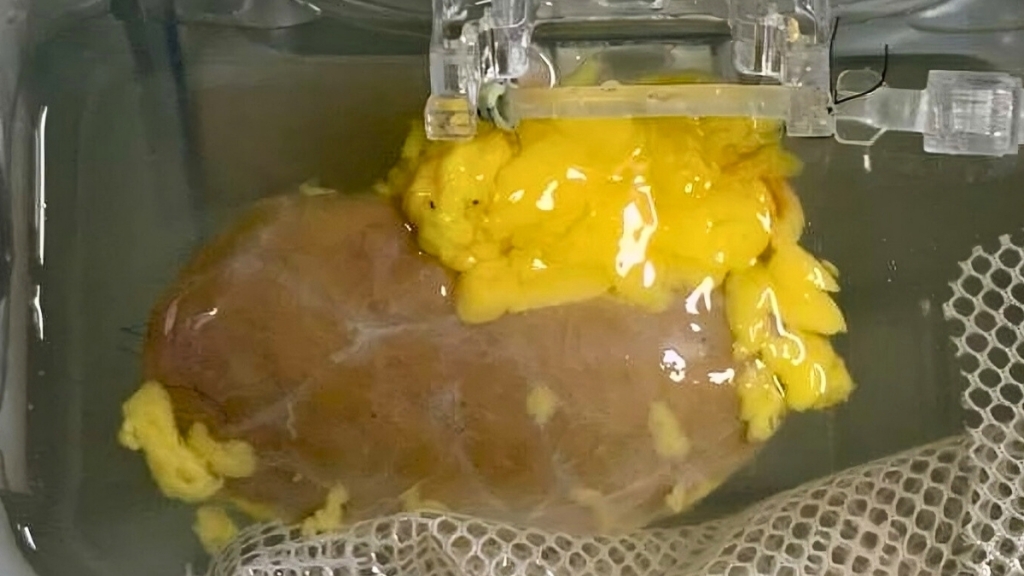
The research team, comprising scientists from multiple institutions across Canada and China, has published findings that mark a critical milestone in transplant medicine. Their innovative approach involves converting kidneys from donors with type A blood into type O kidneys—effectively creating organs that can be transplanted into recipients with any blood type.
“This is the first time we’ve seen this play out in a human model,” explained biochemist Stephen Withers from the University of British Columbia. “It gives us invaluable insight into how to improve long-term outcomes.”
The team’s work represents the culmination of years of meticulous laboratory research, enzyme identification, and experimental procedures that have gradually moved from theoretical concepts to practical application.
The Blood Type Barrier: A Major Hurdle in Transplantation
Currently, kidney transplantation faces a significant logistical challenge based on blood compatibility. People with type O blood—who make up approximately 45% of the population—typically must wait for type O kidneys to become available. This creates a disproportionate burden on the organ supply, as type O kidneys are in particularly high demand yet relatively scarce.
The situation is further complicated by the fact that while type O kidneys can function in recipients with other blood types, the reverse is not true. This means type O recipients face longer wait times, and the organ allocation system must carefully match donors and recipients based on blood type compatibility.
The Molecular “Scissors” That Could Change Everything
The researchers’ breakthrough centers on a sophisticated enzymatic process that effectively strips away the molecular markers that identify a kidney as type A. Using specialized enzymes previously identified through extensive research, the team can remove the sugar molecules (antigens) that serve as blood type identifiers.
Withers described the process metaphorically: “It’s like removing the red paint from a car and uncovering the neutral primer. Once that’s done, the immune system no longer sees the organ as foreign.”
These enzymes function at the molecular level, snipping off specific portions of the type A antigen chains and converting them into the ABO antigen-free status characteristic of type O blood. This conversion process transforms what would otherwise be a blood-type-specific organ into one that theoretically could be accepted by any recipient.
Promising Results from Groundbreaking Tests
In their published research, the team reported that their converted kidney survived and functioned for several days in the body of a brain-dead recipient whose family had consented to the experimental procedure. While the organ began showing signs of reverting to type A blood by the third day—triggering some immune response—the reaction was notably less severe than would typically be expected in cross-type transplants.
Crucially, there were indications that the recipient’s body was attempting to tolerate the transplanted kidney, suggesting that the enzymatic conversion had created a window of opportunity for the organ to establish itself before the immune system mounted a full rejection response.
The Human Impact: Thousands of Lives at Stake
The statistics surrounding kidney transplantation underscore the urgent need for innovations like this. In the United States alone, 11 people die every day while waiting for a kidney transplant, with the majority of those waiting specifically for type O kidneys. The waiting lists are long, and the supply of compatible organs remains woefully inadequate to meet demand.
This research represents one of several promising approaches being pursued by the scientific community to address the organ shortage crisis. Other strategies include exploring the use of genetically modified pig kidneys and developing new immunosuppressive antibodies that could prevent organ rejection.
Challenges and Future Directions
Despite the promising results, significant hurdles remain before this technology can be deployed in clinical settings. The team must address the issue of antigen reversion, optimize the duration of the type O conversion, and ensure long-term organ viability. Additionally, extensive safety testing and clinical trials will be necessary to confirm the approach’s effectiveness and safety in living patients.
The researchers acknowledge that their work, while groundbreaking, represents just one piece of a complex puzzle. Creating truly universal organs will likely require combining multiple technological advances and addressing various immunological challenges.
A Vision for the Future of Transplantation
As this research progresses, it offers hope for a future where organ allocation is based primarily on medical need rather than blood type compatibility. The potential impact is enormous: reducing wait times, saving lives, and making the transplant process more efficient and equitable.
“This is what it looks like when years of basic science finally connect to patient care,” Withers reflected. “Seeing our discoveries edge closer to real-world impact is what keeps us pushing forward.”
The research has been published in the prestigious journal Nature Biomedical Engineering, marking it as a significant contribution to the field of transplant medicine. As the scientific community continues to build on these findings, the dream of universal organ compatibility moves closer to reality—potentially transforming the landscape of transplantation and offering new hope to thousands of patients waiting for life-saving organs.
Tags
Universal kidney transplant, blood type conversion, enzyme technology, organ donation breakthrough, kidney transplant innovation, medical research advancement, transplant waiting lists, immunological tolerance, type O conversion, cross-type transplantation, organ shortage solution, enzyme-converted organs, transplant compatibility, medical breakthrough 2025, universal donor organs
Viral Sentences
The future of organ transplants is here: kidneys that work for everyone, regardless of blood type. Scientists have created the first “universal” kidney that could end decades of waiting for compatible organs. A decade of research has led to this moment: kidneys that can be accepted by any patient, potentially saving thousands of lives. The molecular scissors that could revolutionize organ donation: enzymes that strip away blood type markers. 11 people die every day waiting for kidneys—this breakthrough could change that statistic forever. From lab to life-saving: how enzyme technology is transforming organ transplantation. The holy grail of organ donation: universal compatibility is closer than ever. Scientists compare the process to removing paint from a car to reveal its neutral base. The immune system’s acceptance of converted organs marks a turning point in transplant medicine. A new era in transplantation: when basic science finally connects to saving lives. The waiting list crisis might finally have a solution: organs for all blood types. Pig kidneys, universal organs, and new antibodies: the multi-front war on organ shortages. Type O kidneys are in high demand but short supply—this could balance the scales. The converted kidney survived for days, showing promising signs of tolerance. From type A to type O: the molecular magic that could save thousands.
,
![Inside the AI-powered evolution of enterprise network operations [Q&A]](https://techno-news.org/wp-content/uploads/2026/02/AI-network-enterprise-50x50.jpg "Inside the AI-powered evolution of enterprise network operations [Q&A]")
Leave a Reply
Want to join the discussion?Feel free to contribute!