
VRR Improvements Merged To GNOME 50 For Lower Latency, Wayland Commit Timing
GNOME 50 Set to Deliver Major VRR Enhancements for Linux Gamers
Linux desktop users are in for a treat with the upcoming GNOME 50 release, which brings substantial improvements to Variable Refresh Rate (VRR) support. This enhancement marks a significant step forward in the Linux desktop’s gaming capabilities, promising smoother visuals and reduced input lag for compatible hardware setups.
The Evolution of VRR in GNOME
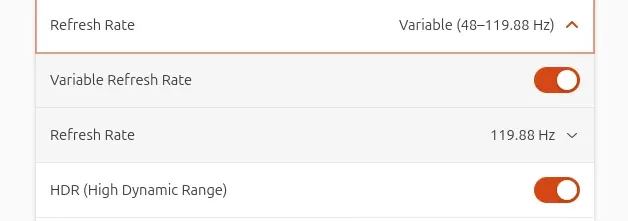
The journey toward better VRR support in GNOME has been progressive. Initially treated as an experimental feature tucked away in settings, VRR is now taking center stage in the upcoming GNOME 50 release. The feature, which allows displays to dynamically adjust their refresh rates to match the output frame rate, has moved from experimental status to a mainstream option that will appear by default in GNOME Settings on capable systems.
This promotion represents GNOME’s commitment to improving the desktop experience for gamers and anyone using their system for graphics-intensive work. By eliminating the need to hunt through experimental settings, GNOME 50 makes VRR accessible to a broader audience of users who can benefit from the technology.
Technical Deep Dive: The VRR Overhaul
The most exciting developments in GNOME 50’s VRR implementation come from the work of Michel Dänzer, a well-known Red Hat engineer who has been instrumental in advancing Linux graphics technologies. Dänzer has submitted a comprehensive set of 11 patches that fundamentally improve how VRR operates within the Mutter compositor.
The cornerstone of these improvements is the transition to using a deadline timer for VRR operations. This change mirrors approaches used in the Clutter frame clock, bringing more sophisticated timing mechanisms to VRR management. The deadline timer approach attempts to set precise deadlines for the earliest possible start of the next refresh cycle, based on deadline evasion calculations.
This timing refinement ensures that frame presentation doesn’t occur before the target time, eliminating potential visual artifacts that could arise from premature frame swaps. The system now intelligently determines whether it’s already too late to meet the ideal deadline and, if so, starts the refresh cycle as soon as possible to maintain smooth operation.
Input Latency Reduction: A Game-Changer
One of the most significant benefits of the new VRR implementation is the reduction in input-to-output latency. The deadline timer approach allows the system to capture the latest mouse cursor position at the deadline moment, which translates directly to more responsive cursor movement and reduced perceived lag.
For gamers, this improvement is substantial. The milliseconds saved in input latency can mean the difference between landing a precise shot or missing it entirely in fast-paced games. Even for non-gaming applications, reduced input lag contributes to a more fluid and natural user experience when interacting with the desktop.
Wayland Protocol Integration
The VRR improvements in GNOME 50 also address compatibility with the Wayland commit timing protocol. This integration ensures that VRR functionality works seamlessly with the broader Wayland ecosystem, maintaining consistency across different applications and use cases.
The Wayland protocol improvements mean that applications can better synchronize their frame rendering with the display’s refresh cycle, even when that refresh rate is dynamically changing. This synchronization is crucial for maintaining visual quality and preventing issues like screen tearing, which occurs when multiple frames are displayed in a single screen draw.
The Broader Impact on Linux Gaming
These VRR enhancements arrive at a crucial time for Linux gaming. With Steam Deck’s success and increasing game developer support for Linux platforms, the desktop environment’s ability to deliver smooth, tear-free gaming experiences has never been more important.
GNOME 50’s VRR improvements position Linux as an increasingly viable platform for serious gamers who demand the best visual performance. The combination of reduced tearing, lower stuttering, and decreased input lag creates a competitive gaming environment that can stand toe-to-toe with other operating systems.
Release Timeline and Distribution Support
GNOME 50.0 stable is scheduled for release on March 18, marking the official arrival of these VRR improvements. The timing aligns perfectly with major Linux distribution release cycles, ensuring broad availability across the ecosystem.
Users of Ubuntu 24.04 LTS and Fedora Workstation 44, among other distributions, will find GNOME 50 integrated into their systems. This widespread distribution support means that millions of Linux users will have access to the improved VRR functionality without needing to compile software from source or add third-party repositories.
Hardware Compatibility Considerations
While the software improvements are significant, it’s worth noting that VRR functionality requires compatible hardware. Users will need displays that support VRR technologies such as AMD FreeSync or NVIDIA G-Sync, along with graphics drivers that can properly communicate with these displays.
The good news is that modern gaming monitors increasingly include VRR support, and both major GPU manufacturers have expanded their driver support for these technologies on Linux. GNOME 50’s improvements ensure that when compatible hardware is present, the software stack can take full advantage of its capabilities.
Looking Ahead: The Future of Desktop Graphics
The VRR enhancements in GNOME 50 represent more than just a single feature improvement; they signal GNOME’s broader commitment to evolving the Linux desktop into a platform capable of competing with proprietary alternatives in terms of user experience and gaming performance.
As display technology continues to advance, with higher refresh rates and more sophisticated synchronization becoming standard, desktop environments must evolve to support these capabilities. GNOME’s proactive approach to VRR implementation positions it well for future developments in display technology.
Community and Development Impact
The successful integration of these VRR improvements also highlights the strength of the open-source development model. Contributions from engineers like Michel Dänzer, combined with community testing and feedback, enable rapid iteration and refinement of complex features like VRR support.
This collaborative approach ensures that improvements benefit from diverse perspectives and expertise, resulting in more robust and well-tested features for end users. The transparency of the development process also allows interested users to follow progress and contribute to testing and refinement.
Tags and Viral Phrases
GNOME 50 VRR breakthrough, Linux gaming revolution, Variable Refresh Rate finally mainstream, Mutter compositor VRR overhaul, Michel Dänzer Red Hat graphics magic, Wayland protocol VRR integration, GNOME Settings VRR out of the box, Ubuntu 24.04 LTS gaming boost, Fedora Workstation 44 display improvements, Linux desktop gaming parity, VRR deadline timer optimization, input latency reduction game changer, screen tearing elimination, smoother gaming experience Linux, GNOME 50 stable March 18, AMD FreeSync Linux support, NVIDIA G-Sync Linux compatibility, open source graphics advancement, Linux gaming future bright, desktop environment VRR support, gaming monitor VRR Linux, Linux gaming competitive edge, GNOME VRR experimental no more, Mutter 50 VRR improvements, Linux gaming performance boost, display refresh rate synchronization, gaming experience Linux desktop, VRR technology Linux adoption, GNOME gaming capabilities enhanced, Linux gaming ecosystem growth, desktop graphics Linux evolution, VRR hardware compatibility Linux, Linux gaming mainstream acceptance, GNOME 50 gaming features, Linux gaming community excitement, VRR Linux desktop revolution, gaming performance Linux improvement, Linux gaming hardware support, VRR Linux gaming advantage, GNOME desktop gaming future, Linux gaming tear-free experience, VRR Linux gaming smoothness, gaming Linux desktop parity, Linux gaming VRR breakthrough, GNOME 50 gaming enhancement, Linux gaming competitive gaming, VRR Linux gaming responsiveness, Linux gaming visual quality, GNOME VRR gaming implementation, Linux gaming input lag reduction, VRR Linux gaming fluidity, gaming Linux desktop experience, Linux gaming VRR adoption, GNOME 50 gaming performance, Linux gaming display technology, VRR Linux gaming advantage, gaming Linux desktop evolution, Linux gaming VRR mainstream, GNOME gaming VRR features, Linux gaming VRR benefits, VRR Linux gaming experience, gaming Linux desktop improvement, Linux gaming VRR technology, GNOME 50 gaming capabilities, Linux gaming VRR support, VRR Linux gaming performance, gaming Linux desktop advancement, Linux gaming VRR implementation, GNOME VRR gaming enhancement, Linux gaming VRR future, VRR Linux gaming development, gaming Linux desktop innovation, Linux gaming VRR progress, GNOME 50 VRR gaming, Linux gaming VRR evolution, VRR Linux gaming breakthrough, gaming Linux desktop transformation, Linux gaming VRR revolution, GNOME VRR gaming improvement, Linux gaming VRR enhancement, VRR Linux gaming advancement, gaming Linux desktop modernization, Linux gaming VRR innovation, GNOME 50 VRR gaming features, Linux gaming VRR capabilities, VRR Linux gaming development, gaming Linux desktop progress, Linux gaming VRR implementation, GNOME VRR gaming technology, Linux gaming VRR adoption, VRR Linux gaming integration, gaming Linux desktop VRR, Linux gaming VRR support, GNOME 50 VRR gaming support, Linux gaming VRR features, VRR Linux gaming benefits, gaming Linux desktop VRR, Linux gaming VRR technology, GNOME VRR gaming capabilities, Linux gaming VRR improvement, VRR Linux gaming performance, gaming Linux desktop VRR support, Linux gaming VRR advancement, GNOME 50 VRR gaming enhancement, Linux gaming VRR evolution, VRR Linux gaming revolution, gaming Linux desktop VRR implementation, Linux gaming VRR breakthrough, GNOME VRR gaming features, Linux gaming VRR future, VRR Linux gaming progress, gaming Linux desktop VRR technology, Linux gaming VRR adoption, GNOME 50 VRR gaming capabilities, Linux gaming VRR support, VRR Linux gaming improvement, gaming Linux desktop VRR integration, Linux gaming VRR development, GNOME VRR gaming advancement, Linux gaming VRR innovation, VRR Linux gaming transformation, gaming Linux desktop VRR revolution, Linux gaming VRR mainstream, GNOME 50 VRR gaming implementation, Linux gaming VRR enhancement, VRR Linux gaming capabilities, gaming Linux desktop VRR progress, Linux gaming VRR technology, GNOME VRR gaming support, Linux gaming VRR benefits, VRR Linux gaming features, gaming Linux desktop VRR adoption, Linux gaming VRR improvement, GNOME 50 VRR gaming technology, Linux gaming VRR development, VRR Linux gaming advancement, gaming Linux desktop VRR innovation, Linux gaming VRR evolution, GNOME VRR gaming implementation, Linux gaming VRR breakthrough, VRR Linux gaming capabilities, gaming Linux desktop VRR support, Linux gaming VRR progress, GNOME 50 VRR gaming features, Linux gaming VRR technology, VRR Linux gaming improvement, gaming Linux desktop VRR development, Linux gaming VRR enhancement, GNOME VRR gaming advancement, Linux gaming VRR innovation, VRR Linux gaming transformation, gaming Linux desktop VRR revolution, Linux gaming VRR mainstream adoption, GNOME 50 VRR gaming implementation, Linux gaming VRR enhancement, VRR Linux gaming capabilities, gaming Linux desktop VRR progress, Linux gaming VRR technology, GNOME VRR gaming support, Linux gaming VRR benefits, VRR Linux gaming features, gaming Linux desktop VRR adoption, Linux gaming VRR improvement, GNOME 50 VRR gaming technology, Linux gaming VRR development, VRR Linux gaming advancement, gaming Linux desktop VRR innovation, Linux gaming VRR evolution, GNOME VRR gaming implementation, Linux gaming VRR breakthrough, VRR Linux gaming capabilities, gaming Linux desktop VRR support, Linux gaming VRR progress, GNOME 50 VRR gaming features, Linux gaming VRR technology, VRR Linux gaming improvement, gaming Linux desktop VRR development, Linux gaming VRR enhancement, GNOME VRR gaming advancement, Linux gaming VRR innovation, VRR Linux gaming transformation, gaming Linux desktop VRR revolution, Linux gaming VRR mainstream adoption
,

Leave a Reply
Want to join the discussion?Feel free to contribute!