
Ubuntu 26.04 LTS Coming to SpacemiT K3 RISC-V Processor with RVA23 Support
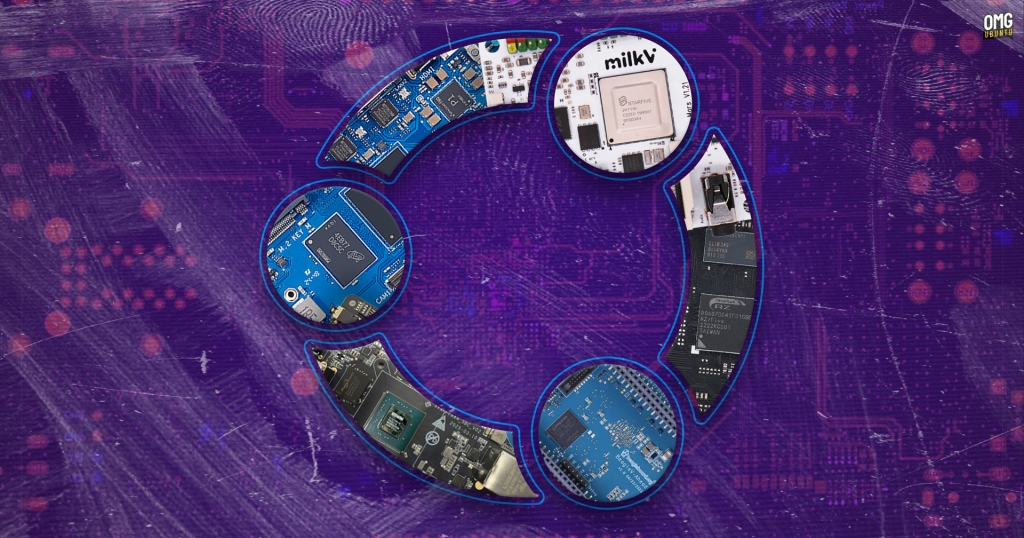
Ubuntu 26.04 LTS Set to Power SpacemiT K3 RISC-V Processor: A Major Leap for Open Hardware
In a groundbreaking move that could reshape the landscape of open-source computing, Canonical has announced that Ubuntu 26.04 LTS will officially support the SpacemiT K3 RISC-V processor, one of the first commercially available chips to comply with the RVA23 specification. This collaboration marks a significant milestone in the convergence of open-source software and open hardware architectures, promising to deliver powerful, flexible, and reliable intelligent computing solutions to developers worldwide.
A Strategic Alliance Between Canonical and SpacemiT
Canonical, the company behind Ubuntu, is joining forces with SpacemiT, a China-based semiconductor manufacturer, to bring Ubuntu 24.04 LTS to the SpacemiT K1 AI chip as well. This expanded support is particularly noteworthy because it reverses a previous limitation: after Canonical raised Ubuntu’s RISC-V profile baseline to RVA23 in 2025, older chips like the K1 were left behind. Now, with this partnership, both K1 and K3 processors will enjoy full Ubuntu support.
“The collaboration marks a deep integration between open-source operating systems and open RISC-V silicon,” according to the official announcement, “bringing powerful, flexible, and reliable intelligent computing solutions to developers worldwide.”
While that statement reads like standard press-release fare, the practical implications are substantial. Developers and engineers working in specialized fields where RISC-V isn’t merely a niche curiosity will now be able to leverage the full Ubuntu ecosystem on capable RISC-V RVA23 hardware.
Understanding the RISC-V RVA23 Profile
The RISC-V RVA23 profile represents a significant evolution in the architecture’s capabilities. It’s a standardized set of mandatory hardware features that processors must offer, including advanced security extensions, hypervisor support, and vector computing capabilities specifically designed for AI workloads. This profile brings RISC-V’s capabilities closer to ARM-based CPUs, making it viable for more demanding applications.
SpacemiT K3: Specifications and Capabilities
The SpacemiT K3 System-on-Chip (SoC) represents a serious contender in the RISC-V space. This 8-core CPU operates at clock speeds up to 2.4 GHz and delivers up to 60 TOPS (Trillion Operations Per Second) of AI computing performance. SpacemiT claims the K3 can handle AI models in what they describe as the “30B-A3B class range,” referring to models with 30 to 300 billion parameters.
The chip supports a maximum memory capacity of 32GB LPDDR5, providing ample headroom for memory-intensive applications. Additionally, the K3 integrates homogeneous AI computing capabilities through proprietary RISC-V processor cores, suggesting a tightly integrated hardware-software approach to AI acceleration.
SpacemiT K1: The More Accessible Option
The SpacemiT K1, while not RVA23-compliant, remains an important part of this announcement. This 8-core RISC-V processor offers 2.0 TOPS of compute power and supports up to 16GB of LPDDR5 memory. Though less powerful than the K3, the K1 has found wider adoption in various applications, making expanded Ubuntu support particularly valuable for existing deployments.
Industry Perspectives
Sun Yanbang, President of SpacemiT, expressed enthusiasm about the partnership: “Ubuntu is one of the most popular Linux distributions globally, and we are delighted to work with Canonical to bring Ubuntu to our K3/K1 intelligent computing platforms and jointly advance the open RISC-V architecture and Linux software ecosystem.”
He continued, “By combining Ubuntu’s mature software ecosystem with our advanced RISC-V hardware technologies, we aim to drive innovation and growth in intelligent computing.”
Ubuntu’s Long-Term RISC-V Strategy
While consumer-grade RISC-V hardware has made appearances—including tablets and laptops pre-loaded with Ubuntu—the architecture remains primarily within specialized tech circles. RISC-V devices are typically purchased by those who specifically want RISC-V technology rather than those seeking the fastest available computer.
However, dismissing RISC-V as merely niche would be a mistake. Research shared by RISC-V International last year suggests the architecture has achieved approximately 25% global market share in areas such as IoT, edge computing, robotics, and automotive applications. Industry analysts expect adoption in these sectors to grow substantially over the next several years.
The RVA23 specification significantly expands what RISC-V can accomplish and where it can be deployed effectively. Canonical’s push to establish Ubuntu as the de facto operating system for RISC-V platforms appears increasingly strategic, even if the architecture isn’t destined to become mainstream for general-purpose computing.
Availability Timeline
Ubuntu 26.04 LTS support for the SpacemiT K3 will be available when Ubuntu 26.04 LTS officially releases in April 2026. This gives developers ample time to prepare their applications and workflows for deployment on this new hardware platform.
Tags: Ubuntu 26.04 LTS, SpacemiT K3, RISC-V RVA23, open-source hardware, AI computing, Linux distribution, semiconductor innovation, intelligent computing, Canonical partnership, embedded systems, edge computing, automotive technology
Viral Sentences:
- “Ubuntu 26.04 LTS is coming to the SpacemiT K3 RISC-V processor, one of the first RVA23-compliant chips to go on sale.”
- “Canonical is teaming up with the China-based device maker to also bring support for Ubuntu 24.04 LTS to SpacemiT K1 AI chip.”
- “The collaboration is said to mark a deep integration between open-source operating systems and open RISC-V silicon.”
- “Ubuntu’s RISC-V support is a long play that could reshape the future of open hardware computing.”
- “Research suggests RISC-V has hit 25% global market share in areas like IoT, edge, robotics and automotive applications.”
- “With RVA23 upping the potential of what RISC-V can do, Canonical’s push to make Ubuntu the de-facto OS on the platform is looking like a smart one.”
- “Ubuntu 26.04 LTS on the SpacemiT K3 will be available when Ubuntu 26.04 LTS officially releases in April 2026.”
,


Leave a Reply
Want to join the discussion?Feel free to contribute!