
Honey, I shrunk the data centres: Is small the new big?
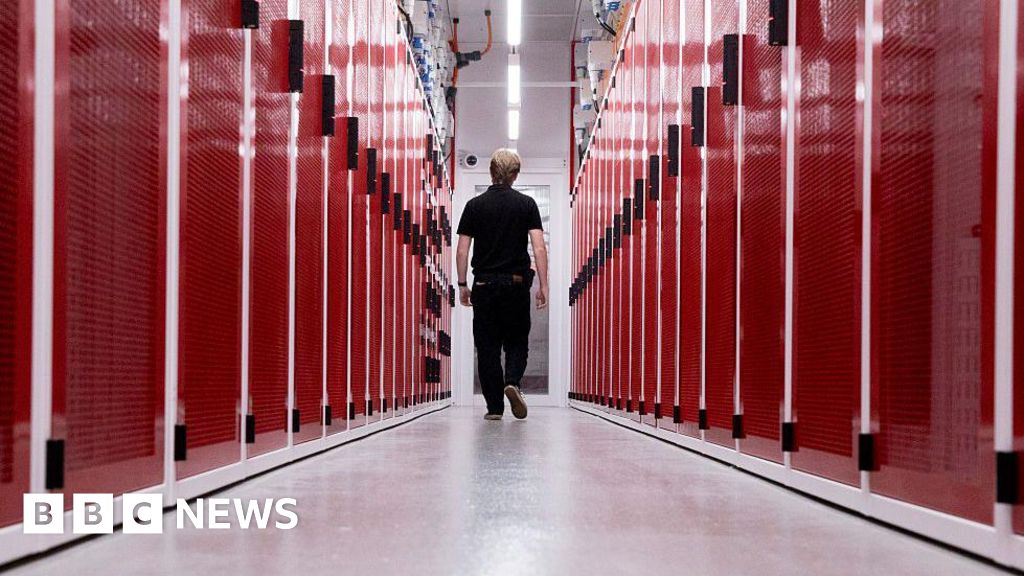
Massive AI Data Centers Under Scrutiny: Are They Really Necessary?
In a world where artificial intelligence is reshaping industries at breakneck speed, the infrastructure supporting it has become a topic of heated debate. Across the globe, tech giants are pouring billions into constructing sprawling data centers—colossal facilities designed to power the immense computational demands of AI systems. Yet, amid this race to build bigger and faster, a growing chorus of experts is questioning whether these mega-facilities are truly essential, or if they represent an unsustainable path forward.
The scale of these data centers is staggering. Take, for example, the planned “Stargate” facility in the United States, projected to cost up to $500 billion over the next four years. Such projects are not isolated; similar ventures are underway in Europe, Asia, and beyond. These centers are engineered to house tens of thousands of high-performance servers, each humming with the power needed to train and run complex AI models. The promise is clear: faster processing, greater capacity, and the ability to handle the next generation of AI breakthroughs.
However, the environmental and economic costs of these behemoths are raising eyebrows. Data centers already consume vast amounts of electricity—some estimates suggest that by 2030, they could account for up to 3.5% of global energy use. Water usage for cooling is another concern, with some facilities drawing millions of gallons daily. Critics argue that the rush to build ever-larger centers risks locking the industry into an unsustainable trajectory, especially as AI models continue to grow in size and complexity.
Some experts propose alternative approaches. Advances in chip design, such as more efficient processors and specialized AI accelerators, could reduce the need for massive centralized infrastructure. Others point to the potential of distributed computing, where smaller, localized data centers or even edge devices handle more of the workload, easing the burden on giant facilities. There’s also a push for greater investment in renewable energy and cooling technologies to mitigate the environmental impact of existing centers.
The debate is not just technical—it’s also about strategy. Building enormous data centers requires long-term commitments and significant capital, potentially stifling innovation by locking companies into specific architectures or providers. Smaller, more agile setups could offer greater flexibility and resilience, especially as AI technology evolves rapidly.
As the conversation unfolds, one thing is clear: the future of AI infrastructure is at a crossroads. The choices made today will shape not only the capabilities of tomorrow’s AI but also the environmental and economic landscape of the tech industry for decades to come.
Tags and Viral Phrases:
AI data centers, massive infrastructure, sustainability concerns, energy consumption, water usage, environmental impact, chip efficiency, distributed computing, edge devices, renewable energy, cooling technology, tech giants, Stargate project, $500 billion investment, AI computing demands, future of AI, tech industry debate, innovation vs. sustainability, global energy use, localized data centers, high-performance servers, AI accelerators, long-term commitments, capital investment, architectural flexibility, resilience in tech, environmental footprint, tech evolution, industry crossroads.
,


Leave a Reply
Want to join the discussion?Feel free to contribute!