
China Bans Unapproved Yuan-Pegged Stablecoins Abroad to Protect Currency Stability
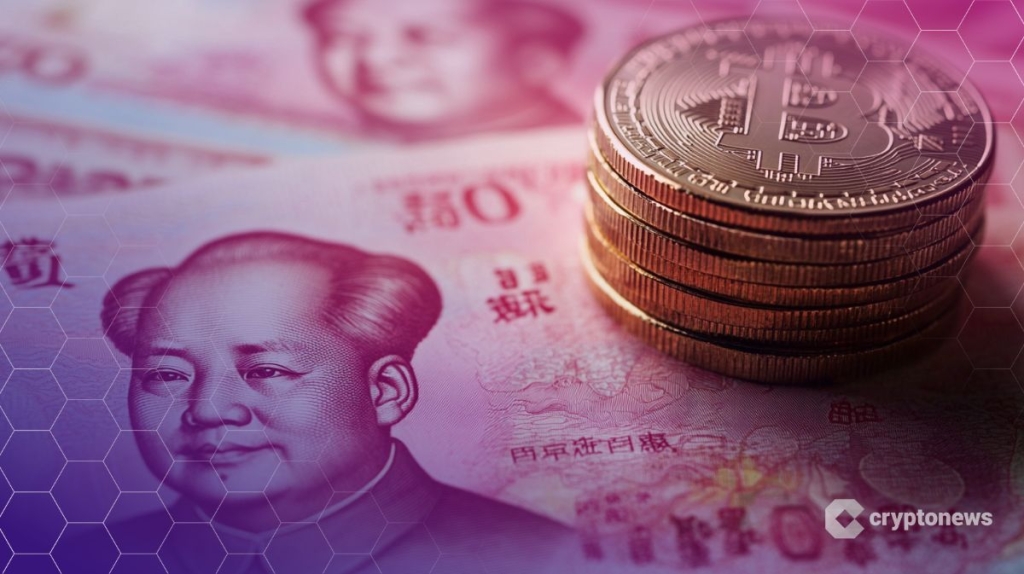
China’s Latest Digital Currency Crackdown Sends Shockwaves Through Crypto Markets
In a move that’s sending ripples through the global cryptocurrency ecosystem, Chinese regulators have unleashed a sweeping new policy that effectively bans the unauthorized issuance of yuan-pegged stablecoins—both domestically and internationally. This aggressive stance marks Beijing’s most comprehensive attempt yet to maintain strict control over its currency in the digital age.
The People’s Bank of China (PBOC), alongside seven powerful government agencies, dropped this regulatory bombshell on Friday, declaring that neither individuals nor corporations—regardless of their location—can issue renminbi-linked stablecoins without explicit government approval. The message is crystal clear: when it comes to digital versions of the yuan, the Chinese government wants to be the only game in town.
Why is China so terrified of yuan-pegged stablecoins?
According to the official notice, these digital tokens “perform some of the functions of fiat currencies,” creating what regulators describe as a direct threat to monetary sovereignty. The concern is straightforward—if Chinese citizens can easily access digital tokens pegged to the yuan that exist outside the traditional banking system, it becomes significantly harder for Beijing to control capital flows, monitor transactions, and maintain its grip on the economy.
But China isn’t stopping at stablecoins. The new regulations extend to tokenized real-world assets linked to the Chinese currency, including blockchain-based representations of bonds, equities, and other financial instruments. Overseas entities are now explicitly prohibited from offering these products to users inside China without regulatory permission—a clear warning shot to international crypto projects eyeing the massive Chinese market.
This crackdown represents the latest evolution in China’s long-running war on cryptocurrency. Since 2021, the country has systematically dismantled its domestic crypto industry, banning trading, mining, and payment services. The new stablecoin restrictions simply reinforce and expand upon these existing prohibitions.
Legal expert Winston Ma, a former sovereign wealth fund executive, clarified that these restrictions apply to both onshore and offshore versions of the renminbi. This is particularly significant because the offshore yuan (CNH) was specifically designed to provide some flexibility for foreign exchange while maintaining China’s strict capital controls. Now, even that limited freedom is being curtailed in the digital realm.
The timing is no coincidence. China has been aggressively developing its own state-backed digital currency—the e-CNY, or digital yuan—for several years. Recent policy changes allow commercial banks to share interest with users holding digital yuan wallets, a strategic move designed to boost adoption of the government’s official digital currency. By eliminating competition from private stablecoins, Beijing is creating a captive market for its own digital currency initiative.
The regional divide is stark. While China tightens its grip, neighboring jurisdictions are moving in the opposite direction. Japan introduced a legal framework for stablecoin issuance in 2023, and Hong Kong plans to begin licensing stablecoin issuers this year. This creates an interesting dynamic in East Asia, where China’s restrictive approach contrasts sharply with its neighbors’ more open regulatory environments.
China’s about-face on private digital currencies is particularly noteworthy. In 2025, the country briefly explored allowing private firms to issue yuan-pegged tokens, even launching pilot programs. However, authorities quickly reversed course, citing concerns about financial stability and control. This rapid pivot demonstrates the government’s deep-seated anxiety about losing authority over its monetary system.
The global stablecoin market continues to explode despite China’s restrictions. Transaction volume reached an eye-popping $33 trillion in 2025, representing a 72% increase from the previous year, according to Bloomberg data compiled by Artemis Analytics. USDC emerged as the most-used stablecoin by transaction volume, processing $18.3 trillion, while Tether’s USDT handled $13.3 trillion—though USDT maintained its lead in market capitalization at $187 billion.
This surge in activity followed the passage of the GENIUS Act in July 2025, marking the first comprehensive U.S. regulatory framework for payment stablecoins. The contrast between America’s approach—creating clear rules to enable innovation—and China’s approach—banning everything not explicitly approved—highlights two very different visions for the future of digital finance.
For the global crypto industry, China’s latest move represents both a challenge and an opportunity. While it eliminates a massive potential market, it also reinforces the narrative that decentralized digital currencies offer genuine value precisely because they cannot be controlled by any single government. As more countries grapple with how to regulate digital assets, China’s hardline approach provides a cautionary tale about the limits of authoritarian control in an increasingly interconnected digital economy.
The real question now is whether other nations will follow China’s lead or chart their own course. With Japan and Hong Kong embracing regulated stablecoin markets, and the United States creating a framework for innovation, the regional dynamics in Asia could become increasingly complex. For Chinese citizens hungry for digital financial services, the answer may lie in increasingly sophisticated methods to circumvent government restrictions—setting the stage for an ongoing cat-and-mouse game between regulators and innovators.
What remains clear is that China views control over its currency—in both physical and digital form—as fundamental to maintaining its economic and political power. In this high-stakes battle between state control and digital innovation, Beijing has made its position abundantly clear: when it comes to the digital yuan, there can be only one issuer, and that issuer will always be the Chinese government.
#ChinaCryptoBan #YuanStablecoin #DigitalCurrency #CryptoRegulation #PBOC #Blockchain #CBDC #eCNY #Stablecoin #MonetarySovereignty #CryptoNews #ChinaEconomy #DigitalYuan #CryptoCrackdown #FinancialControl
China tightens grip on digital currency
Beijing bans unauthorized yuan-pegged stablecoins
Crypto industry faces new challenges in China
Government control versus digital innovation
Asia’s regulatory divide on stablecoins
China’s war on cryptocurrency continues
State-backed digital yuan versus private alternatives
Monetary sovereignty in the digital age
Capital controls meet blockchain technology
The future of digital finance in authoritarian states,


Leave a Reply
Want to join the discussion?Feel free to contribute!