
Apple Vision Pro anniversary, Gemini confusion, and iPhone Flip on the AppleInsider Podcast
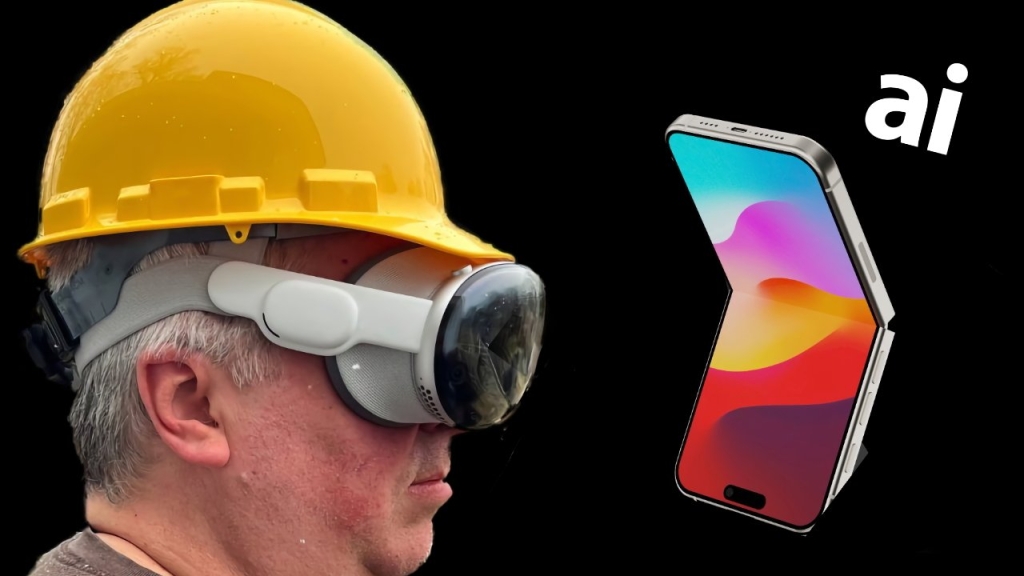
The Apple Vision Pro Turns Two: A Look Back, a Peek Ahead, and the Gemini-Siri Drama That Wasn’t
Two years. It’s been exactly two years since Apple unveiled what many believed would be the future of computing: the Apple Vision Pro. Back in February 2024, the mixed-reality headset arrived with the kind of fanfare usually reserved for iPhone launches, promising to blend digital and physical worlds in ways we’d only dreamed of. But as the Vision Pro hits its second birthday, the tech world finds itself at a crossroads—reflecting on what the device has (and hasn’t) achieved, speculating about the next big thing (hello, iPhone Fold), and untangling a surprisingly mundane Gemini-Siri partnership that briefly set the rumor mill ablaze.
The Vision Pro: Revolutionary Vision or Niche Gimmick?
When Apple first pulled back the curtain on the Vision Pro, the reaction was electric. Here was a device that didn’t just iterate on existing VR headsets—it reimagined them. Eye tracking so precise it felt like magic. Hand gestures that made controllers obsolete. A “spatial computer” that could turn your living room into a limitless workspace or theater. For a hot minute, it seemed like the future had arrived early.
But two years in, the honeymoon is over. Sales figures tell a sobering story: Apple reportedly sold around 200,000 units in the first year—respectable for a first-gen, niche product, but a far cry from iPhone-level adoption. Developers, initially eager to build for the platform, have cooled on the idea. Many cite the high price point ($3,499) and limited everyday utility as reasons to hold off. Even die-hard Apple fans admit the Vision Pro is more of a “wow, this is cool” gadget than a daily driver.
So, what’s Apple’s play here? Industry insiders suggest the company is taking a long-term view, treating the Vision Pro as a foundational step toward its ultimate goal: lightweight AR glasses. The Vision Pro, in this narrative, is the bulky, expensive prototype that paves the way for something sleeker, cheaper, and more practical. Think of it as Apple’s “learning device”—a way to refine the tech, build an ecosystem, and condition consumers for a future where AR is as ubiquitous as smartphones.
But there’s a catch: the timeline is murky. Some analysts predict AR glasses are still 5-10 years away, while others argue Apple needs a “Vision Pro 2” to keep momentum alive. Without a clear roadmap, the headset risks becoming a curiosity—a “what if” moment in tech history rather than a revolution.
Gemini and Siri: The Partnership That Wasn’t a Scandal
While the Vision Pro’s future hangs in the balance, another story dominated headlines this week: Apple’s rumored partnership with Google to integrate Gemini AI into Siri. The whispers began when reports surfaced suggesting Apple was considering outsourcing its voice assistant’s AI capabilities to Google’s powerful language models. Cue the panic: Would Siri lose its identity? Was Apple ceding ground to Google? And what about privacy concerns?
As it turns out, the reality is far less dramatic. Apple and Google have confirmed they’re exploring ways to bring Gemini’s AI smarts to iOS, but the partnership is more of a collaboration than a takeover. Siri will still handle basic commands and device-specific tasks, while Gemini could step in for more complex queries—think drafting emails, summarizing articles, or answering open-ended questions. It’s a pragmatic move, leveraging Google’s AI prowess without sacrificing Apple’s commitment to privacy and on-device processing.
The takeaway? This isn’t Apple waving the white flag; it’s a strategic play to keep Siri competitive in the AI arms race. With OpenAI’s ChatGPT, Google’s Bard, and Anthropic’s Claude raising the bar, even the most loyal Apple fans have to admit Siri has lagged behind. By teaming up with Google, Apple is playing to its strengths—integration, privacy, and user experience—while letting Gemini handle the heavy AI lifting.
The iPhone Fold: Apple’s Next Big Bet?
If the Vision Pro is Apple’s long game and Gemini is its short-term fix, what’s the next big thing? For many, the answer is clear: the iPhone Fold. Foldable phones have been a niche market dominated by Samsung and Huawei, but Apple’s entry could change everything. Rumors of a foldable iPhone have been swirling for years, and recent reports suggest we might see it as early as 2026.
But here’s where it gets interesting: Apple isn’t just thinking about a clamshell foldable like the Samsung Galaxy Z Flip. Patents and insider leaks hint at multiple form factors, including a book-style fold (like the Galaxy Z Fold) and even a tri-fold design that could unfold into a tablet-sized screen. The goal? To create a device that’s as versatile as it is innovative—a true “all-in-one” gadget that replaces your phone, tablet, and maybe even your laptop.
Of course, Apple faces challenges. Foldable displays are still prone to creasing, and the tech needs to mature before it meets Apple’s notoriously high standards. But if anyone can crack the code, it’s the company that turned smartphones into cultural phenomena. The iPhone Fold could be the device that redefines mobile computing all over again.
The Bigger Picture: Apple’s Balancing Act
As we look at these three stories—the Vision Pro’s uncertain future, the Gemini-Siri partnership, and the looming iPhone Fold—a pattern emerges. Apple is in a period of transition, balancing its legacy as a hardware innovator with the demands of a rapidly evolving tech landscape. The Vision Pro represents its boldest bet on the future, Gemini is a pragmatic nod to the present, and the iPhone Fold could be the bridge between the two.
But here’s the thing: Apple has been here before. The iPhone itself was once a risky experiment, dismissed by critics as a luxury item with limited appeal. The Apple Watch faced similar skepticism before becoming a wearable juggernaut. If history is any guide, Apple’s “failures” often lay the groundwork for its greatest successes.
So, where does that leave us? The Vision Pro may not be the revolution we hoped for—yet. Siri might be borrowing brainpower from Google, but it’s still Apple’s voice. And the iPhone Fold? It’s still a rumor, but it’s a rumor with the weight of Apple’s reputation behind it.
One thing’s for sure: the next chapter in Apple’s story is just beginning. And whether you’re a die-hard fan or a curious skeptic, it’s a story worth watching.
Tags & Viral Phrases:
Apple Vision Pro anniversary, Vision Pro sales, Apple AR glasses future, Siri Gemini partnership, Google Apple AI collaboration, iPhone Fold rumors, Apple tri-fold patent, foldable iPhone 2026, spatial computing Apple, Apple mixed reality headset, Siri AI upgrade, Gemini iOS integration, Apple hardware innovation, next-gen iPhone design, Apple ecosystem strategy, tech industry rumors 2024, Apple product roadmap, Vision Pro developer interest, Apple long-term tech bets, iPhone Flip vs Fold
,

Leave a Reply
Want to join the discussion?Feel free to contribute!