
Is Virtual Reality Really Dead?
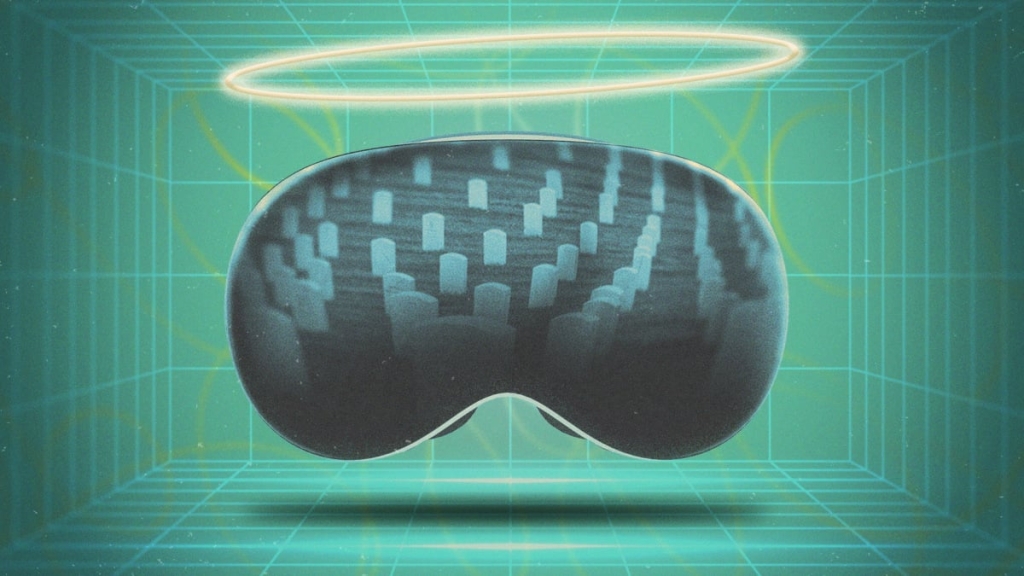
Is Virtual Reality Dead? The Metaverse’s Messy Reality in 2026
The virtual reality industry has hit a rough patch. Meta’s Reality Labs has hemorrhaged over $73 billion since its inception five years ago, forcing the tech giant to shift resources away from VR toward AI and smart glasses. Apple, once seen as VR’s potential savior, shipped a mere 45,000 Vision Pro headsets in Q4 2025—a drop in the bucket compared to the 82.6 million iPhones sold in the same period.
Meta’s ambitious metaverse project, Horizon Worlds, was supposed to be a “vast digital continent” with a billion users. Instead, it limps along with roughly 200,000 active users—about 0.02% of Zuckerberg’s vision. For context, Roblox boasts over 380 million monthly active users. Even with excellent hardware from both Meta and Apple, the VR dream seems to be faltering.
It’s tempting to declare VR dead, much like the video game crash of 1983 when Atari’s demise signaled gaming’s supposed end. But then the NES arrived and revolutionized everything.
The New Wave: VR as a Specialized Tool, Not a Replacement World
While Zuckerberg’s vision of a billion people living in a “legless, gravity-free vacuum of suburban-techno-capitalism” has largely evaporated, something more organic and sustainable is emerging from the ashes.
Virtual Reality Filmmaking: A New Medium Being Born
“What we’re all trying to do is build the Holodeck from Star Trek,” Matt Celia, co-founder and creative director of Light Sail VR, told me. His company has been producing VR films for a decade, creating everything from Red Rocks concerts to Emmy-winning immersive experiences like Saturday Night Live‘s 50th Anniversary celebration.
Celia believes VR offers something traditional media cannot: “When you make the conscious choice to put on a headset, to watch a piece of content and engage with it, it’s actually transformative, almost meditative.”
VR filmmaking isn’t just about watching movies differently—it’s about creating an entirely new language of storytelling. Whether it’s a 360-degree view of Steve Martin’s SNL monologue, narrative series like Eli Roth’s The Faceless Lady, or interactive documentaries like D-Day: The Camera Soldier, artists are using virtual reality to tell stories in ways that weren’t possible before.
Gaming in VR: Finding Its Niche
The closure of Meta’s AAA game studios—Armature (Resident Evil 4 VR), Sanzaru (Asgard’s Wrath), and Twisted Pixel (Deadpool VR)—might suggest VR gaming is on life support. But studios like Resolution Games are proving otherwise.
Resolution Games has grown consistently since 2015, selling millions of games despite the challenging environment. Their flagship title Demeo has earned critical acclaim and partnerships with Wizards of the Coast for Demeo x Dungeons & Dragons: Battlemarked.
Tommy Palms, Resolution’s CEO, explains their approach: “A big grand virtual world, like Cyberpunk or Grand Theft Auto, but you’re inside it… now we know in reality, that’s not a very comfortable experience, unfortunately.”
Instead of immersive worlds, Demeo puts players at a game table in a virtual basement with friends. You’re not in a dungeon; you’re a person playing a game about a dungeon. “It creates a much more social situation in general because it increases the chance for you to play with your friends,” Palms explained.
The Lonely Metaverse: A Digital Ghost Town
Despite Meta’s massive investment, Horizon Worlds feels eerily empty. I spent hours exploring various worlds—from an official recreation of The Office complete with desktop tchotchkes to Blumhouse Horrorverse’s atmospheric forest clearing. The environments are polished and detailed, but the people are missing.
During my visits, population counts rarely exceeded five people. It’s like wandering through an abandoned mall or an empty film set—stuff everywhere, but no one around. The few people I encountered were either very young children or first-timers who vanished quickly.
But I did find signs of life in the digital ruins.
Finding Community: The Soapstone Comedy Club
The Soapstone Comedy Club was a revelation. Unlike the empty corporate worlds, this place was alive. There’s a full schedule of upcoming stand-up shows, trivia, improv, and karaoke—and more importantly, there are people hanging out.
“I came in to build a comedy club, and what’s ended up coming out of it is more than a comedy club,” Aaron Sorrels, known online as “TheUnemployedAlcoholic,” told me. “There’s a community of people that have adopted The Soapstone as theirs. It’s not a corporate place, or someone else’s place. This place belongs to them.”
For many users, especially those with anxiety, physical limitations, or who live far from social hubs, Soapstone isn’t just entertainment—it’s their social space and sense of community.
So, Is Virtual Reality Dead?
Aaron Sorrels doesn’t think so. “There are dynamic and powerful things happening every day, every moment of every day in VR,” he said. “I think back on what I heard Mark Zuckerberg say four years ago… he said it was a 10-year process. We’re not halfway through it yet.”
While VRChat’s anarchic vibe might not appeal to everyone, it maintains about 40,000 daily users. Big Screen has a healthy user base of VR cinephiles. Thrill of the Fight 2 keeps people virtually beating each other up 24/7.
VR isn’t everything to everyone, but it’s something to someone, and there’s nothing more alive than that.
Tags: virtual reality, VR, metaverse, Meta, Facebook, Apple, Horizon Worlds, gaming, filmmaking, immersive experiences, technology trends, digital communities, future of entertainment, VR gaming, VR movies, social VR, metaverse failure, VR success stories
Viral Sentences:
- “VR isn’t a second world; it’s a group of specialized tools for specific passions”
- “It’s lonely in there, like a water cooler with no co-workers around it”
- “The Metaverse’s Messy Reality in 2026”
- “Mark Zuckerberg’s vision of a billion people living in a ‘legless, gravity-free vacuum'”
- “Virtual Reality is dead. Long live Virtual Reality.”
- “The Holodeck from Star Trek is closer than you think”
- “Why the Metaverse failed (and what’s replacing it)”
- “The $73 billion question: Is VR worth saving?”
- “From ghost towns to comedy clubs: The real story of VR in 2026”
- “The future of VR isn’t what Zuckerberg promised”
,


Leave a Reply
Want to join the discussion?Feel free to contribute!