
Should you buy a refurbished MacBook in 2026? I did the math, and here’s my advice
The Refurbished MacBook Pro M1: A Deep Dive into the Used Tech Revolution
In an era where the price of cutting-edge technology seems to climb higher with each passing year, a quiet revolution is taking place in the tech world. Consumers are increasingly turning their backs on the traditional “buy new every few years” model and embracing the world of refurbished tech. This shift isn’t just about saving money; it’s a fundamental change in how we view the lifecycle of our devices.
The Refurbished Tech Boom: Why Now?
The refurbished tech market has exploded in recent years, and for good reason. With the current economic climate putting pressure on household budgets, the allure of high-quality tech at a fraction of the original price is undeniable. But it’s not just about cost. Consumers are becoming more environmentally conscious, recognizing that extending the life of existing devices is a powerful way to reduce e-waste.
This trend is particularly evident in the laptop market. Gone are the days when buying a used computer was akin to rolling the dice. Today’s refurbished devices, especially those from reputable sources, undergo rigorous testing and certification processes that ensure they meet high standards of performance and reliability.
My Journey with a Refurbished MacBook Pro M1
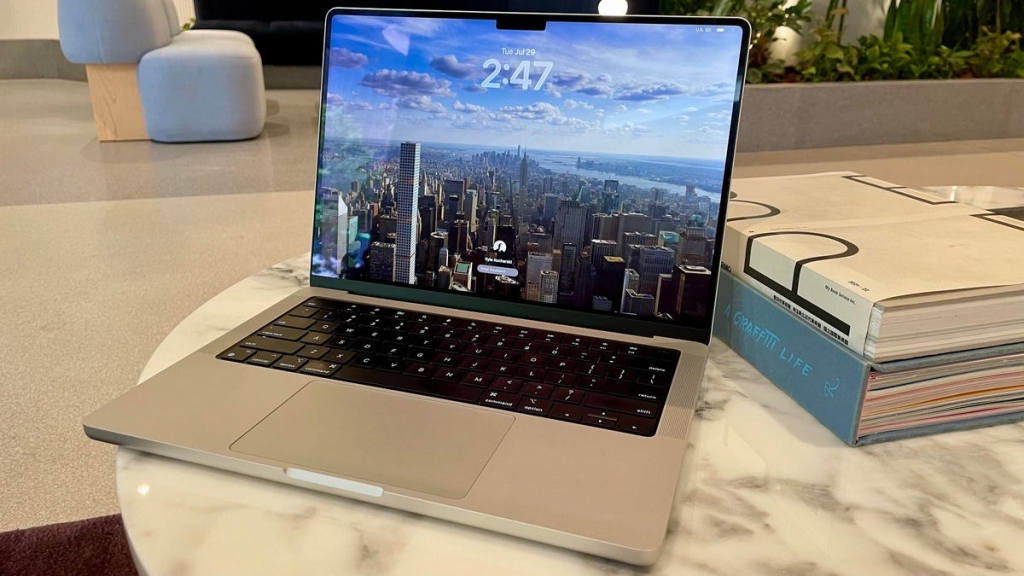
To truly understand the refurbished tech experience, I decided to take the plunge myself. I connected with Back Market, a leading marketplace for renewed devices, and acquired a 2021 MacBook Pro M1 for $750. This 14-inch powerhouse, equipped with an M1 Pro chip, 16GB of RAM, and a 1TB SSD, would be my primary driver for several weeks.
The unboxing experience was surprisingly similar to that of a new device. The MacBook arrived in pristine condition, virtually indistinguishable from a brand-new unit. This initial impression was a testament to the quality of Back Market’s refurbishment process.
Understanding the Back Market Model
Back Market operates on a tiered system for its products: Fair, Good, Excellent, and Premium condition. Each tier corresponds to a different level of wear and tear, with prices scaling accordingly. This system allows consumers to choose the right balance between cost savings and cosmetic condition.
The MacBook Pro M1 I received was in Premium condition, meaning it had minimal signs of use and a battery capacity above 90%. This high standard is crucial for building trust in the refurbished market and ensuring customer satisfaction.
The Refurbishment Process: What Sets It Apart
One of the key differentiators between a refurbished device and a used one from a platform like Facebook Marketplace is the refurbishment process itself. Back Market’s devices undergo a 25-point inspection test, ensuring that every aspect of the laptop meets strict quality standards.
This process includes:
- Thorough cleaning and sanitization
- Replacement of worn or faulty components
- Software updates and security patches
- Battery health assessment and replacement if necessary
- Cosmetic repairs to meet the chosen condition tier
This level of scrutiny and refurbishment transforms a used device into one that’s nearly as good as new, both in terms of performance and appearance.
Trust and Reliability: Addressing the Elephant in the Room
The question of trust is paramount when it comes to refurbished tech. How can you be sure you’re getting a reliable device? Back Market addresses this concern in several ways:
- Seller vetting: Only trusted refurbishers are allowed to sell on the platform.
- Warranty: All devices come with a minimum 12-month warranty.
- Return policy: A 30-day money-back guarantee allows for easy returns if the device doesn’t meet expectations.
- Transparent grading: The condition of each device is clearly stated, with detailed descriptions of any cosmetic imperfections.
These measures significantly reduce the risk associated with buying refurbished tech and provide peace of mind to consumers.
Battery Life: The Critical Factor
One of the most crucial aspects of any laptop, especially a refurbished one, is battery life. Unlike other components that can be easily replaced or upgraded, the battery is a consumable that degrades over time.
Back Market addresses this by:
- Ensuring all batteries meet a minimum capacity threshold (typically 80% for standard devices, 90% for Premium tier)
- Providing detailed battery health information, including cycle count and current capacity
- Offering battery replacement services for devices that fall below the acceptable threshold
This focus on battery health is crucial for maintaining the long-term usability and value of refurbished devices.
The Cost Savings: Breaking Down the Numbers
The primary allure of refurbished tech is, of course, the cost savings. Let’s compare the MacBook Pro M1 I purchased with its newer counterparts:
| Model | CPU | Memory/Storage | Price |
|---|---|---|---|
| MacBook Pro M1 14″ (Refurbished) | M1 Pro 10-core | 16GB, 1TB | $754 |
| MacBook Pro M2 14″ (New) | M2 Pro 10-core | 16GB, 1TB | $1,579 |
| MacBook Pro M4 14″ (New) | M4 Pro 10-core | 16GB, 1TB | $1,381 |
The savings are substantial. The refurbished M1 is over $800 less than the comparable M2 model and nearly $600 less than the M4. These savings represent a significant value proposition for consumers who don’t necessarily need the absolute latest and greatest in terms of processing power.
Performance Comparison: Is Newer Always Better?
While the price difference is clear, how do these models compare in terms of performance? Geekbench scores provide some insight:
- M1 Pro 10-core: ~8,500 single-core, ~20,000 multi-core
- M2 Pro 10-core: ~8,800 single-core, ~21,000 multi-core
- M4 Pro 10-core: ~9,500 single-core, ~22,000 multi-core
While the newer models do offer performance improvements, the differences are incremental rather than revolutionary. For most everyday tasks – web browsing, document editing, video conferencing – the M1 Pro provides more than adequate performance.
Software Compatibility: The M1’s Secret Weapon
One of the most compelling arguments for choosing a refurbished M1 MacBook is its software compatibility. Despite being several years old, the M1 MacBook Pro can run MacOS 26 Tahoe, Apple’s latest operating system. This means users get access to the newest features, security updates, and app compatibility without needing to purchase a brand-new device.
The Verdict: Is a Refurbished MacBook Right for You?
After several weeks of using the refurbished MacBook Pro M1 as my primary device, I can confidently say that it’s an excellent choice for many users. Here’s who I’d recommend it to:
- Budget-conscious consumers: Those who want a high-quality Apple laptop without the premium price tag.
- Environmental advocates: Users looking to reduce e-waste by extending the life of existing devices.
- Students and casual users: People who need a reliable laptop for everyday tasks but don’t require cutting-edge performance.
- Secondary device seekers: Those looking for a backup laptop or a travel companion.
However, there are some considerations to keep in mind:
- Storage limitations: Ensure you choose a configuration with enough storage for your needs, as upgrading later can be challenging.
- Cosmetic condition: Be realistic about what level of wear you’re comfortable with.
- Battery health: Pay close attention to the battery capacity and cycle count.
The Future of Refurbished Tech
The success of my refurbished MacBook Pro experience is indicative of a broader trend in the tech industry. As consumers become more aware of the quality and value offered by refurbished devices, we can expect to see continued growth in this market.
This shift has the potential to reshape the tech industry, encouraging manufacturers to design devices with longer lifespans and easier repairability. It also puts pressure on retailers to offer more competitive pricing on new devices, as the refurbished market provides a compelling alternative.
Conclusion: A Win-Win for Consumers and the Environment
The refurbished MacBook Pro M1 represents more than just a good deal; it’s a symbol of a changing attitude towards technology consumption. By choosing refurbished, consumers can access high-quality devices at lower prices while also contributing to a more sustainable tech ecosystem.
As the refurbished tech market continues to mature and gain acceptance, we can expect to see even more innovation in this space. From improved refurbishment processes to expanded warranty options, the future looks bright for those willing to consider a “renewed” device.
In the end, the question isn’t just “Should you buy a refurbished MacBook?” but rather “Why wouldn’t you consider a refurbished MacBook?” With the right research, a trusted seller, and realistic expectations, a refurbished device can provide an excellent user experience at a fraction of the cost of a new one.
Tags and Viral Phrases:
- Refurbished MacBook Pro
- Used tech revolution
- Back Market experience
- MacBook M1 vs M2 vs M4
- Saving hundreds on Apple laptops
- Eco-friendly tech choices
- Refurbished vs used: What’s the difference?
- Is refurbished tech reliable?
- MacBook battery health explained
- MacOS 26 on older MacBooks
- Budget-friendly Apple devices
- Extending laptop lifespan
- E-waste reduction through refurbishment
- Premium refurbished condition
- 25-point inspection process
- Refurbished tech warranty
- Cost comparison: New vs refurbished
- Geekbench scores: M1 vs M2 vs M4
- Everyday performance of older MacBooks
- Refurbished tech for students
- Travel-friendly MacBook options
- Secondary device strategy
- Future of the refurbished market
- Sustainable technology consumption
- Apple’s official refurbished store
- Refurbished iPad and Apple Watch deals
- Storage considerations for refurbished devices
- Battery cycle count explained
- Cosmetic wear on refurbished laptops
- Trusted refurbishers and seller vetting
- 30-day money-back guarantee
- Long-term value of refurbished devices
- Incremental performance improvements
- Software compatibility across MacBook generations
- Changing attitudes towards tech lifecycle
- Innovation in refurbishment processes
- Competitive pricing in the tech industry
- High-quality devices at lower prices
- Sustainable tech ecosystem
- Renewed device user experience
- Realistic expectations for refurbished tech
- Trusted seller research
- Fraction of the cost of new devices
,


Leave a Reply
Want to join the discussion?Feel free to contribute!