
Over 100 million on alert for dangerous cold — what you need to know about ‘dripping’ your faucets
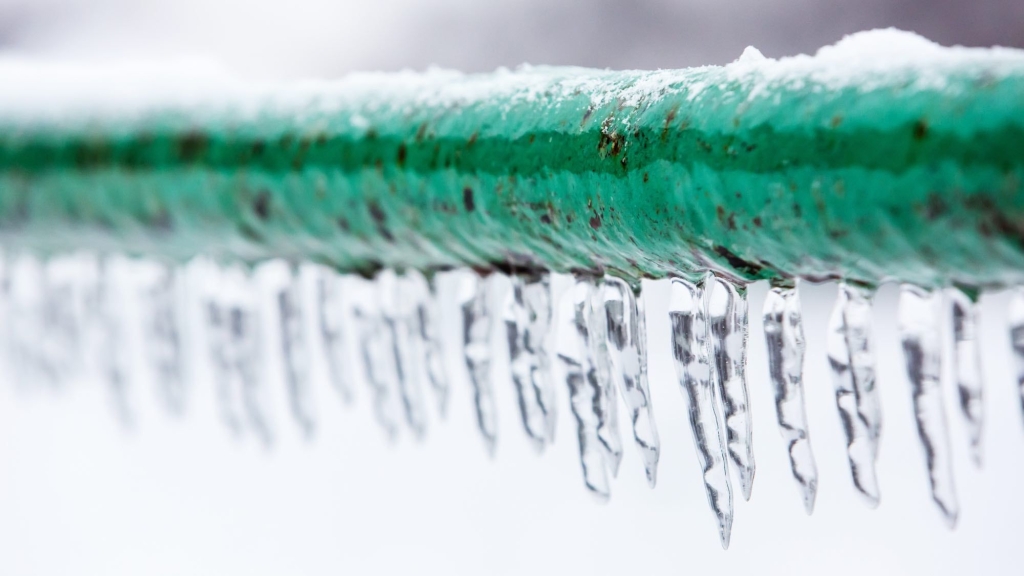
Dripping Faucets 24/7: The Viral Hack That Could Save Your Pipes This Winter
As a bone-chilling arctic blast sweeps across the United States, with 100 million Americans under alert for dangerously cold weather, homeowners are scrambling to protect their properties from the devastating effects of frozen pipes. While many are familiar with the classic advice to let faucets drip during cold snaps, a burning question has emerged: should you really keep those taps running around the clock?
We spoke exclusively with Chuck Pound, plumbing expert and supervisor at American Home Shield, to get the definitive answer on this viral winter hack that’s taking social media by storm.
The 24/7 Drip Debate: Expert Weighs In
According to Pound, when temperatures plummet into the danger zone, continuous dripping is your best defense. “During extreme temperatures, it’s a good idea to allow a constant drip from the faucet so water is always flowing,” he explains. This isn’t just a casual recommendation—it’s a critical strategy to prevent what could become a homeowner’s worst nightmare.
The science is simple but powerful: moving water doesn’t freeze as easily as stagnant water. By keeping a steady stream flowing through your pipes, you’re essentially creating a protective current that fights against the formation of ice blockages. But there’s an even more crucial benefit—pressure relief.
“When water freezes, it expands,” Pound notes. “This expansion creates tremendous pressure within your pipes. A continuous drip relieves this pressure, dramatically reducing the risk of pipes bursting and causing catastrophic water damage to your home.”
Which Faucets Need the 24/7 Treatment?
Here’s where many homeowners get confused. You don’t need to turn every faucet in your house into a miniature waterfall. Instead, Pound recommends a targeted approach that maximizes protection while minimizing water waste.
“Focus on faucets with piping that runs along exterior walls, as these are most vulnerable to freezing temperatures,” he advises. “Also pay special attention to fixtures that are furthest away from your main water shut-off valve.”
This strategic dripping creates a protective pathway for water to flow through your most vulnerable pipes, ensuring that even the most exposed sections of your plumbing system remain ice-free.
The Perfect Drip Rate: Not Too Much, Not Too Little
One of the most common misconceptions about the dripping technique is that you need to open your faucets fully. Nothing could be further from the truth. In fact, doing so would waste an enormous amount of water and potentially overwhelm your drainage system.
“You want a fast drip—about 1 to 3 seconds apart,” Pound specifies. This measured approach provides just enough flow to keep water moving without creating a flood in your sink.
However, weather conditions may require adjustments to this formula. “When there is an extreme, deep freeze, increasing to a small thin stream of water is ideal,” Pound adds. This flexibility allows homeowners to adapt their strategy based on the severity of the cold snap.
Timing Is Everything: When to Start Dripping
The million-dollar question for many homeowners is: when exactly should I start this dripping regimen? The answer might surprise you.
While water freezes at 32°F (0°C), Pound recommends taking action earlier than many might expect. “Plan to drip your faucets when the forecast calls for temperatures to drop into the 20s or to be below freezing for long periods of time, for example, longer than a few hours.”
This proactive approach is crucial because once temperatures plummet, it may be too late to prevent freezing. The goal is to start the drip before the deep freeze hits, giving your pipes a fighting chance against the bitter cold.
The Overnight Controversy: Should You Really Drip 24/7?
Here’s where the viral debate really heats up. Many homeowners wonder if they can turn off the taps when they go to bed, especially since the constant dripping sound can be maddeningly annoying. Pound’s answer is unequivocal: keep them running.
“While it may seem tempting to turn the faucets off when you turn in for the night, his advice is to leave the taps dripping where possible,” our report reveals. This round-the-clock protection is particularly important during severe cold snaps when temperatures can drop precipitously overnight.
Emergency Preparedness: Know Your Shut-Off Valve
Beyond the dripping technique, Pound emphasizes one critical piece of advice that could save your home from disaster: know where your main water shut-off valve is located.
“In case of emergencies, being able to quickly shut off your home’s water supply can prevent thousands of dollars in water damage if a pipe does burst,” he explains. This simple piece of knowledge could be the difference between a minor inconvenience and a major catastrophe.
The Cost-Benefit Analysis: Water Waste vs. Pipe Repair
Some homeowners balk at the idea of wasting water by keeping faucets dripping for extended periods. However, when you crunch the numbers, the math becomes clear.
The amount of water used by a properly executed drip system is minimal—typically just a few gallons per day. Compare this to the cost of repairing burst pipes, which can easily run into the thousands of dollars, not to mention the potential for extensive water damage to your home’s structure, furnishings, and personal belongings.
Real-World Success Stories: The Drip That Saved the Day
Across social media, homeowners are sharing their success stories with the 24/7 dripping technique. From frozen Texas to snowbound New England, the strategy has proven its worth time and again.
One viral post from a Michigan homeowner showed before-and-after photos of pipes that remained ice-free thanks to continuous dripping, while neighbors who didn’t follow the advice faced costly repairs. These real-world examples have helped cement the dripping technique as a go-to winter survival strategy.
Beyond Dripping: Additional Cold Weather Plumbing Tips
While dripping faucets are the star of the show, Pound offers several additional tips for winter pipe protection:
- Open cabinet doors under sinks to allow warm air to circulate around pipes
- Keep your thermostat consistent, even when you’re away from home
- Insulate exposed pipes in unheated areas like basements, attics, and garages
- Disconnect outdoor hoses and shut off exterior faucets
These complementary strategies work hand-in-hand with the dripping technique to provide comprehensive protection against frozen pipes.
The Bottom Line: To Drip or Not to Drip?
As this unprecedented cold snap continues to grip much of the nation, the evidence is clear: when temperatures plummet, keeping your faucets dripping 24/7 isn’t just a good idea—it’s essential home maintenance.
The technique is simple, the cost is minimal, and the potential savings are enormous. Whether you’re dealing with a mild cold snap or a record-breaking freeze, the continuous drip could be the difference between a cozy winter and a plumbing nightmare.
So as you batten down the hatches for this arctic blast, remember Pound’s expert advice: keep those taps dripping, know your shut-off valve, and stay warm. Your pipes—and your wallet—will thank you.
Tags: #FrozenPipes #WinterHomeMaintenance #PlumbingTips #ColdWeatherHacks #HomeProtection #DIYSolutions #WinterPrep #EmergencyPreparedness #HomeSafety #WeatherAlerts #ArcticBlast #PipeProtection #WaterDamagePrevention #Homeownership #WinterSurvival #ViralHomeTips #ExtremeWeather #PropertyProtection #HomeownerAdvice #ColdSnapStrategy
Viral Phrases: “This simple hack could save your home from disaster!” “The 24/7 drip technique that’s going viral!” “Experts reveal the one thing you MUST do to protect your pipes!” “Why turning off your dripping faucets could cost you thousands!” “The winter hack homeowners are swearing by!” “How to prevent frozen pipes without breaking the bank!” “The shocking truth about frozen pipe prevention!” “This winter strategy is dividing homeowners—here’s why you need it!” “The simple trick that could save you from a plumbing nightmare!” “Why every homeowner needs to know about the 24/7 drip technique!”
,

Leave a Reply
Want to join the discussion?Feel free to contribute!