
Is It Safe to Lift in Running Shoes?
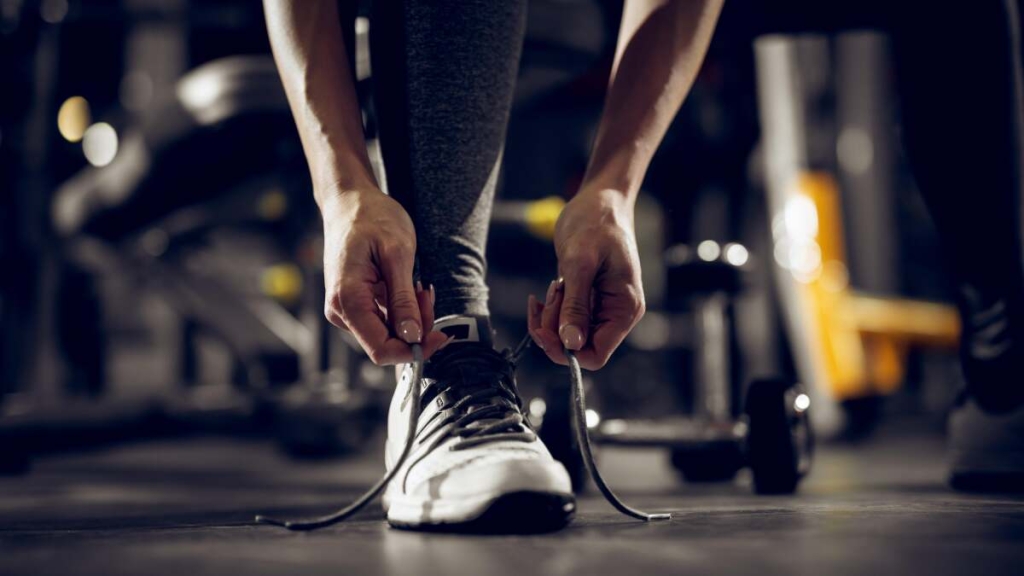
The Great Sneaker Debate: Why Your Running Shoes Won’t Ruin Your Squat Game
In the ever-contentious world of fitness, few topics spark as much heated debate as footwear choices in the gym. Just ask anyone who’s dared to post a squat video wearing running shoes—the comment section erupts faster than a pre-workout kick-in.
“Ditch the shoes!” they cry. “You’ll hurt yourself!” And the classic: “You don’t want cushions under your feet when there’s a heavy bar on your back!”
But here’s the truth that nobody wants to admit: while specialized lifting shoes have their place, squatting in sneakers isn’t the gym sin everyone makes it out to be. Let’s break down this footwear fiasco with some real talk.
The Anatomy of the Sneaker Hate
The running shoe backlash has become a cornerstone of internet form-check culture. New lifters, eager to establish their gym credibility, often latch onto easily observable factors—like footwear—rather than addressing actual technique issues.
The core argument against sneakers centers on their cushioned soles. Running shoes are designed with foam that compresses and rebounds, perfect for absorbing impact during cardio but allegedly problematic when you’re trying to generate force against the floor during a heavy squat.
There’s a kernel of biomechanical truth here: a stable, firm surface does provide better force transfer. But the absolutism with which this advice is delivered is where things go off the rails.
What the Pros Actually Wear
If you’re looking to optimize your lifting footwear, here’s the hierarchy from most to least specialized:
Elite Level: Dedicated Weightlifting Shoes
Brands like Nike Romaleos and Reebok Legacy Lifters dominate this category. These feature:
- Elevated heels (typically 0.6-1 inch)
- Rock-solid, non-compressible soles
- Excellent stability for heavy loads
These shine for Olympic lifts and deep squats, though they’re less ideal for deadlifts where a flat surface helps.
Serious Gym-Goer: Flat, Firm Shoes
Think Converse Chuck Taylors or Vans Old Skools. These offer:
- Zero heel drop
- Minimal cushioning
- Versatility across multiple exercises
Many powerlifters swear by these for their simplicity and effectiveness.
Barefoot Aficionados: Socks or Minimalist Options
Some lifters prefer training barefoot or in socks, claiming maximum ground connection. Most commercial gyms discourage true barefoot training for hygiene reasons, but many make exceptions for socks.
The Uncomfortable Truth About Sneakers
Here’s where I might lose some fitness purists: squatting in running shoes won’t destroy your knees, ruin your gains, or send you to the emergency room.
The evidence simply doesn’t support the catastrophic claims. No peer-reviewed studies demonstrate higher injury rates among sneaker-wearing lifters compared to those in specialized footwear. The fearmongering around “dangerous” gym practices—whether it’s rounded-back deadlifts or running shoes during squats—often stems from anecdote rather than data.
I’ve personally squatted in running shoes countless times, especially when traveling or when my lifting shoes were drying after a particularly sweaty session. Guess what? The squats still worked. The weights still moved. I’m still here typing this article.
During a particularly memorable strength competition I attended, competitors tackled bizarre and heavy lifts all day. Toward the end, when attempting precarious one-legged variations, several athletes complained about balance issues. The revelation? Most had been wearing running shoes throughout the entire competition and had successfully lifted substantial weights without issue.
The Real Talk
Should you prioritize getting proper lifting shoes? If you’re serious about progressing and have the budget, absolutely. The stability and heel elevation can help optimize positioning, especially if you struggle with ankle mobility.
But if you’re new to lifting, don’t have specialized shoes yet, or simply prefer your comfortable sneakers—you’re going to be just fine. Your body is remarkably adaptable, and millions of successful lifts have been performed in suboptimal footwear.
Think of it like this: squatting in running shoes is roughly equivalent to running without compression socks or bench pressing without a belt. Not ideal, potentially leaving some performance on the table, but certainly not dangerous for the vast majority of lifters.
The fitness industry loves to create arbitrary rules and divisions. Lifter vs. runner. Powerlifter vs. bodybuilder. Sneaker-wearer vs. “serious” lifter. But the truth is more nuanced and, frankly, more forgiving than the internet would have you believe.
So next time you see someone squatting in running shoes, maybe offer encouragement instead of criticism. They’re in the gym, putting in work—and that’s what actually matters.
Tags & Viral Phrases
- “Gym bros are wrong about this one”
- “The footwear myth that needs to die”
- “Why your running shoes won’t ruin your gains”
- “Fitness gatekeepers hate this simple truth”
- “The uncomfortable reality about lifting shoes”
- “Stop overthinking your gym footwear”
- “The sneaker slander must end”
- “Fitness myths that need to be canceled”
- “Why I squat in running shoes and you should too”
- “The great gym shoe debate finally settled”
- “Fitness culture’s most ridiculous rules”
- “Your expensive lifting shoes are probably unnecessary”
- “The truth about stability and cushioned soles”
- “Why form-checkers are missing the point”
- “The myth of perfect conditions in fitness”
,


Leave a Reply
Want to join the discussion?Feel free to contribute!