
Waymo leverages Genie 3 to create a world model for self-driving cars
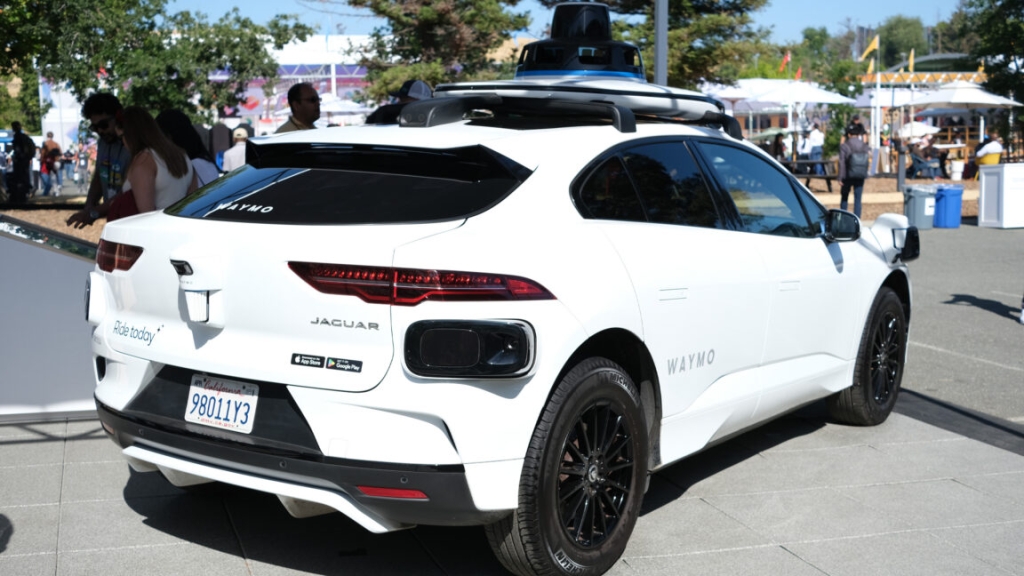
Waymo Unleashes Genie 3-Powered World Model to Simulate Driving Scenarios—Including Elephants
Waymo, Alphabet’s autonomous driving subsidiary, is taking a quantum leap in self-driving simulation technology with its new Waymo World Model, a cutting-edge AI system powered by Google DeepMind’s Genie 3. This isn’t just another simulation upgrade—it’s a multimodal, sensor-rich, hyper-realistic world generator designed to train self-driving cars in ways never before possible.
Beyond Genie 3: A Specialized Post-Training Process
While Genie 3 laid the groundwork, Waymo didn’t simply plug in dashcam footage and call it a day. The company employed a specialized post-training process to enable the model to generate both 2D video and 3D lidar outputs of the same scene simultaneously. This dual-output capability is crucial because, while cameras excel at capturing fine visual details, lidar provides indispensable depth information—something that Tesla, despite its bold claims, has been criticized for overlooking.
As Waymo explains, this fusion of visual and spatial data gives their vehicles a more complete understanding of the road, enhancing safety and decision-making in complex environments.
Driving Action Control: Simulating Alternate Realities
One of the most impressive features of the Waymo World Model is driving action control, which allows engineers to take real-world video from Waymo vehicles and use prompts to alter the route the car takes. These simulations come complete with matching lidar maps, offering a level of realism and consistency that surpasses older reconstructive methods.
Imagine being able to ask: “What if the car had turned left instead of right?” The World Model can generate that alternate scenario in stunning detail, complete with sensor data that mirrors what the AI would have “seen” in that moment.
Bridging the Data Gap with Synthetic Sensor Data
Real-world dashcam videos are abundant, but they lack the multimodal sensor richness of Waymo’s fleet. By feeding such videos into the World Model, Waymo can generate synthetic lidar and other sensor data, effectively simulating how its driving AI would interpret those scenarios. This capability dramatically expands the training dataset without requiring additional real-world data collection.
Mutating Reality: From Weather to Wildlife
While the model can create entirely synthetic scenes, Waymo is particularly excited about mutating real-world conditions. The company’s blog showcases examples of altering time of day, weather patterns, adding new signage, or even placing vehicles in unusual locations. And yes, they’ve even simulated an elephant appearing on the road—because why not prepare for the unexpected?
These mutations are especially valuable as Waymo expands into new markets with more challenging conditions, such as Boston and Washington, D.C., where weather and traffic patterns differ significantly from its original sunny testbeds like Phoenix.
The Realism Question: Can Genie 3 Truly Simulate the Real World?
The effectiveness of the Waymo World Model hinges on Genie 3’s ability to accurately simulate reality. Early test videos of Genie 3 have ranged from impressively believable to unsettlingly uncanny. However, Waymo is confident that the technology has matured enough to provide meaningful training insights for its self-driving systems.
By combining high-fidelity simulation with real-world data augmentation, Waymo aims to create a safer, more adaptable autonomous driving experience—one that’s ready for anything, from rush hour in D.C. to the occasional elephant crossing.
Tags: Waymo, Genie 3, DeepMind, autonomous driving, self-driving cars, lidar, AI simulation, multimodal sensors, driving action control, synthetic data, elephant on the road, Boston, Washington D.C., Phoenix, Tesla, uncanny valley, world model, neural networks, machine learning, robotics, future of transportation
Viral Phrases:
- “Waymo is ready in case an elephant shows up.”
- “Lidar is necessary to add critical depth information to what a self-driving car ‘sees’ on the road.”
- “Someone should tell Tesla about that.”
- “Mutating reality: From weather to wildlife.”
- “The uncanny valley of autonomous driving.”
- “Simulating alternate realities with driving action control.”
- “Bridging the data gap with synthetic sensor data.”
- “Waymo’s quantum leap in self-driving simulation technology.”
- “Beyond Genie 3: A specialized post-training process.”
- “The realism question: Can Genie 3 truly simulate the real world?”
,


Leave a Reply
Want to join the discussion?Feel free to contribute!