
New York lawmakers introduce bill that aims to halt data center development for three years
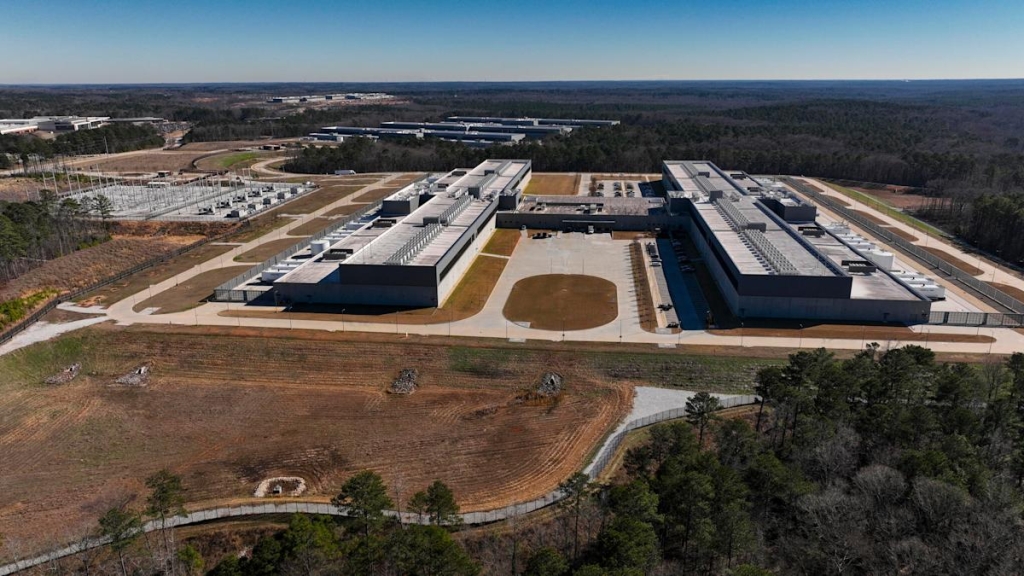
New York Proposes Groundbreaking Pause on Data Center Construction to Address Environmental and Consumer Impact
In a bold move that could reshape the tech landscape across the United States, New York State Senators Liz Krueger and Kristen Gonzales have introduced a landmark bill that would impose a moratorium on new data center construction for three years and ninety days. The proposed legislation, officially designated as Bill S9144, represents one of the most aggressive regulatory approaches to data center expansion in the nation, signaling growing concern over the massive energy and water consumption of these facilities that power our digital world.
The bill, introduced on Friday, would effectively freeze all new permits for data center construction while the state conducts comprehensive environmental and economic impact assessments. During this pause period, the Department of Environmental Conservation and Public Service Commissions would be mandated to conduct thorough studies examining data centers’ consumption of water, electricity, and natural gas, along with their cascading effects on utility rates for New York residents.
“This is about taking a breath and understanding what we’re building before we build it,” Senator Krueger stated in an interview following the bill’s introduction. “We’re seeing unprecedented growth in data center construction, much of it driven by artificial intelligence and cryptocurrency operations, and we need to understand the full environmental and economic implications before we allow this industry to expand unchecked.”
The legislation comes amid mounting evidence that data centers are significantly impacting both the environment and consumer costs. According to a Bloomberg analysis cited in the bill, household electricity rates across the United States increased by 13 percent in 2025, with data center development identified as a primary driver of this surge. New York, already grappling with some of the highest energy costs in the nation, faces particular challenges as tech companies increasingly view the state as an attractive location for massive computing facilities.
The proposed moratorium would give state regulators crucial time to update existing regulations and develop new orders specifically tailored to address the unique challenges posed by modern data centers. These facilities, which can consume as much electricity as small cities, have become flashpoints in debates over sustainable development, energy infrastructure, and the true cost of our increasingly digital economy.
Senator Gonzales emphasized that the pause is not intended to halt technological progress but rather to ensure responsible growth. “We’re not anti-technology,” she explained. “We’re pro-sustainability and pro-consumer protection. This bill simply asks that we take the time to understand the impacts before making irreversible decisions about our state’s energy future.”
The bill’s introduction places New York at the forefront of a growing national movement to regulate data center expansion. The state becomes the sixth this year to propose some form of restriction on data center development, following similar initiatives in Georgia, Maryland, Oklahoma, Vermont, and Virginia. However, New York’s proposal is notably more comprehensive, combining a longer moratorium period with detailed requirements for impact assessments and regulatory updates.
Environmental advocates have largely welcomed the proposal, citing concerns about water usage in drought-prone regions, the strain on electrical grids, and the carbon footprint of facilities that often rely on fossil fuel-powered backup generators. The tech industry, however, has expressed concern about potential impacts on economic development and the state’s competitiveness in attracting major technology investments.
The bill now moves to the Senate Environmental Conservation Committee for consideration, where it will face scrutiny from lawmakers, industry representatives, and environmental groups. Given the complex technical and economic issues involved, the committee process is expected to generate significant debate about the appropriate balance between technological innovation and environmental protection.
Industry analysts note that the timing of the bill is particularly significant given the explosive growth of artificial intelligence applications, which require massive computing power and have driven a surge in data center construction. Major tech companies have announced billions in investments for new facilities across the United States, with many eyeing locations in New York’s tech corridors.
The three-year-and-ninety-day pause period was specifically chosen to allow for comprehensive studies while not completely derailing long-term planning for tech companies. During this time, the state would be required to produce detailed reports on the environmental and economic impacts of existing data centers, examine alternative energy sources and cooling technologies, and develop updated permitting frameworks that could better account for these facilities’ unique characteristics.
Consumer advocates have praised the bill’s focus on utility rates, noting that many residents are already struggling with high energy costs. The legislation would require the Public Service Commission to specifically examine how data center operations affect residential electricity pricing and whether current rate structures adequately protect consumers from bearing the costs of industrial-scale energy consumption.
As the bill moves through the legislative process, it is likely to face intense lobbying from both supporters and opponents. Tech industry groups are expected to argue that data centers are essential infrastructure for the modern economy and that New York risks falling behind other states if it imposes restrictive regulations. Environmental organizations, meanwhile, will likely push for even stronger provisions to ensure that any future data center development incorporates the latest sustainable technologies and practices.
The outcome of this legislation could have far-reaching implications beyond New York’s borders. As states across the country grapple with similar questions about data center regulation, New York’s approach may serve as a model or a cautionary tale, depending on how the debate unfolds and what lessons are learned from the implementation of this unprecedented pause.
DataCenterMoratorium #NYTechRegulation #EnvironmentalImpact #DigitalInfrastructure #EnergyCrisis #AITechnology #SustainableTech #ClimateAction #TechPolicy #GreenComputing #DataCenterPause #NYLegislation #TechRegulation #EnvironmentalConservation #EnergyConsumption #DigitalEconomy #ClimateChange #TechIndustry #NYStateSenate #InfrastructureDevelopment #WaterUsage #ElectricityRates #ConsumerProtection #TechGrowth #SustainableDevelopment #AIInfrastructure #DigitalFuture #EnvironmentalPolicy #TechInnovation #NYEnvironment
,

Leave a Reply
Want to join the discussion?Feel free to contribute!