
Ancient bacterium discovery rewrites the origins of syphilis
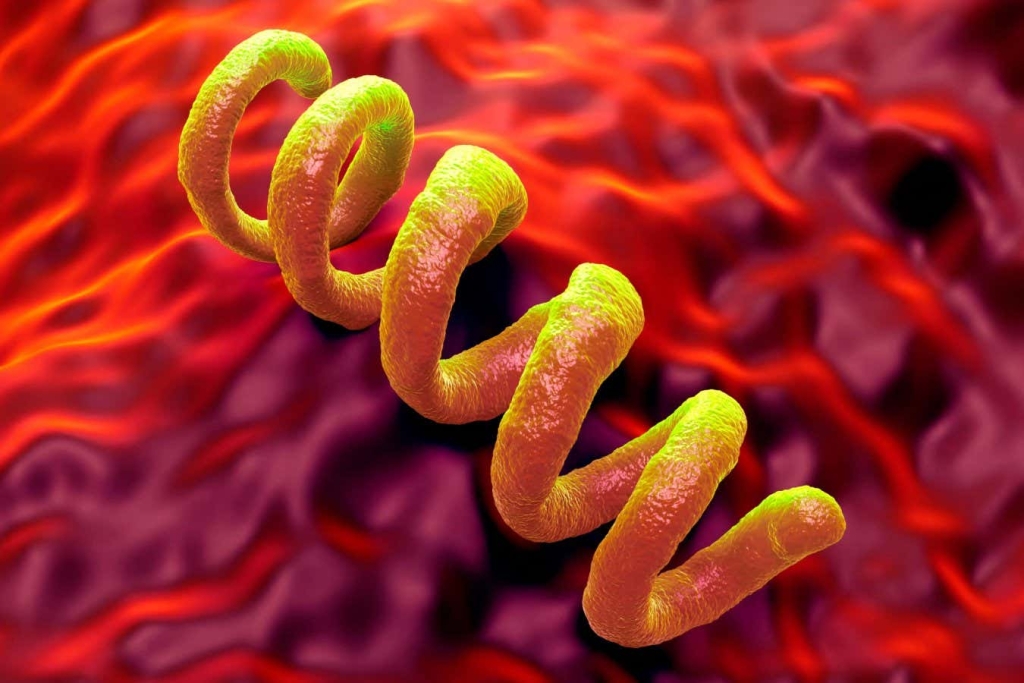
Ancient Syphilis-Like Bacteria Found in 5,000-Year-Old Colombian Bones: Rewriting the History of Human Pathogens
In a stunning discovery that’s sending shockwaves through the scientific community, researchers have unearthed traces of a bacterium related to syphilis in human remains dating back over 5,000 years in the Colombian mountains—thousands of years earlier than previously believed.
The groundbreaking finding, published in a recent study, reveals that corkscrew-shaped bacteria from the Treponema pallidum family were infecting humans long before the rise of intensive agriculture, challenging our fundamental understanding of how and when these devastating diseases emerged in human populations.
A Discovery That Defies Expectations
When researchers from the University of California, Santa Cruz, and the University of Lausanne in Switzerland were analyzing ancient DNA from 5,500-year-old human remains in Colombia’s Bogotá savannah, they made an unexpected discovery: the genome of Treponema pallidum in a human leg bone sample.
“This finding was completely unexpected, because the individual studied had no skeletal evidence of a Treponema infection,” explains Nasreen Broomandkhoshbacht, one of the lead researchers on the project.
The revelation is particularly remarkable because it contradicts the widely accepted theory that many common human diseases only began affecting our species after the dawn of intensive agriculture, when people started living in denser communities with poorer sanitation and closer proximity to domesticated animals.
Challenging Agricultural Theory
The individual in question lived in a dramatically different context—a world of small hunter-gatherer groups that traveled frequently and maintained close contact with wildlife. This environment stands in stark contrast to the crowded agricultural settlements typically associated with the emergence of infectious diseases.
“Our results can tell us a lot about the long-term evolutionary history of [this bacterium] by revealing a long-standing association with human populations,” says Davide Bozzi, another key researcher from the University of Lausanne.
This discovery suggests that the relationship between humans and these pathogens is far more ancient and complex than previously understood, potentially dating back to our earliest days as a species.
A Completely New Lineage
When the research team compared the ancient genome to those of modern T. pallidum bacteria, they found something extraordinary: the 5,000-year-old strain belonged to a completely different lineage from any known modern relatives.
This genetic divergence indicates that ancient relatives of syphilis had already diversified extensively in the Americas thousands of years ago. Even more intriguingly, the team’s analysis suggests these ancient strains possessed many of the same genetic features that make today’s strains harmful, implying that the mechanisms of disease were already well-established millennia ago.
The Mystery of Pinta and Other Ancient Pathogens
Rodrigo Barquera from the Max Planck Institute for Evolutionary Anthropology in Leipzig, Germany, notes that the ancient strain might belong to an elusive, “missing” pathogen: Treponema carateum, which causes a skin disease called pinta. This bacterium is only known from physical descriptions, not genetic analysis, making this discovery potentially revolutionary for understanding its evolutionary history.
Kerttu Majander from the University of Zurich, Switzerland, raises fascinating questions about what additional ancient genomes might reveal. “Were there perhaps many extinct lineages and perhaps different diseases caused by these pathogens in the past?” she wonders.
Implications for Modern Medicine
For Bozzi and his colleagues, understanding how pathogens evolve to cause diseases like syphilis and yaws is a crucial step in finding the genetic quirks that allow pathogens to infect new hosts and make their associated illnesses more dangerous.
This research could have significant implications for modern medicine, potentially helping scientists understand how pathogens adapt to new environments and hosts—knowledge that could be invaluable in predicting and preventing future disease outbreaks.
Rewriting Human History
This discovery fundamentally challenges our understanding of human-pathogen relationships. If these bacteria were infecting humans 5,000 years ago in the Americas, it raises profound questions about their presence elsewhere in the world and their role in human evolution and migration patterns.
The findings also suggest that the emergence of infectious diseases is more complex than simply being a consequence of agricultural development, pointing to a much longer and more intricate dance between humans and the microorganisms that inhabit our world.
The Search Continues
As researchers continue to analyze ancient DNA samples from around the world, we may uncover even more surprises about the deep history of human diseases. Each new discovery has the potential to reshape our understanding of human health, evolution, and our relationship with the microbial world.
This Colombian finding is just the beginning of what promises to be an exciting new chapter in the study of ancient pathogens and their role in shaping human history.
Tags & Viral Phrases: Ancient bacteria discovery, 5,000-year-old syphilis, Colombian archaeological find, rewriting disease history, prehistoric pathogens, hunter-gatherer infections, ancient DNA breakthrough, missing pathogen mystery, evolutionary medicine, human-microbe relationship, agricultural disease theory challenged, pinta disease origins, Treponema pallidum evolution, prehistoric health mysteries, groundbreaking scientific discovery, medical history rewritten, ancient genome analysis, pathogen adaptation secrets, human evolution clues, infectious disease origins, archaeological DNA revolution, medical research breakthrough, prehistoric medicine, evolutionary biology news, scientific community shocked, disease emergence theories, ancient human health, microbial evolution, archaeological genetics, prehistoric infections, medical science news, evolutionary medicine breakthrough, ancient pathogen discovery, human disease history, scientific revelation, prehistoric medical mystery, genetic evolution findings, archaeological breakthrough, medical history mystery, ancient human pathogens, evolutionary health research, scientific community abuzz, prehistoric disease origins, medical archaeology news, ancient infection discovery, evolutionary medicine research, prehistoric health findings, scientific breakthrough news, medical history rewritten, ancient DNA research, prehistoric pathogen mystery, evolutionary biology discovery, medical science breakthrough, archaeological medical find, prehistoric disease research, scientific community excited, ancient health mysteries, evolutionary medicine news, prehistoric infection history, medical archaeology breakthrough, ancient pathogen research, evolutionary health discoveries, scientific revelation news, prehistoric disease findings, medical history breakthrough, ancient DNA mystery, evolutionary medicine findings, prehistoric health research, scientific community surprised, ancient infection research, evolutionary biology news, medical science discovery, archaeological health find, prehistoric pathogen research, evolutionary medicine breakthrough, ancient disease discovery, medical archaeology news, prehistoric infection mystery, scientific breakthrough findings, evolutionary health research, ancient pathogen mystery, medical history discovery, prehistoric disease research, scientific community intrigued, ancient infection mystery, evolutionary medicine news, prehistoric health findings, medical science breakthrough, archaeological medical discovery, prehistoric pathogen mystery, evolutionary biology news, medical history rewritten, ancient DNA breakthrough, prehistoric disease origins, scientific revelation, evolutionary medicine research, ancient human health, prehistoric infection history, medical archaeology breakthrough, ancient pathogen discovery, evolutionary health research, scientific community excited, prehistoric disease findings, medical history breakthrough, ancient DNA mystery, evolutionary medicine findings, prehistoric health research, scientific community surprised, ancient infection research, evolutionary biology news, medical science discovery, archaeological health find, prehistoric pathogen research, evolutionary medicine breakthrough, ancient disease discovery, medical archaeology news, prehistoric infection mystery, scientific breakthrough findings, evolutionary health research, ancient pathogen mystery, medical history discovery, prehistoric disease research, scientific community intrigued.
,


Leave a Reply
Want to join the discussion?Feel free to contribute!