
That Political ‘Call to Action’ Might Actually Be a Scam
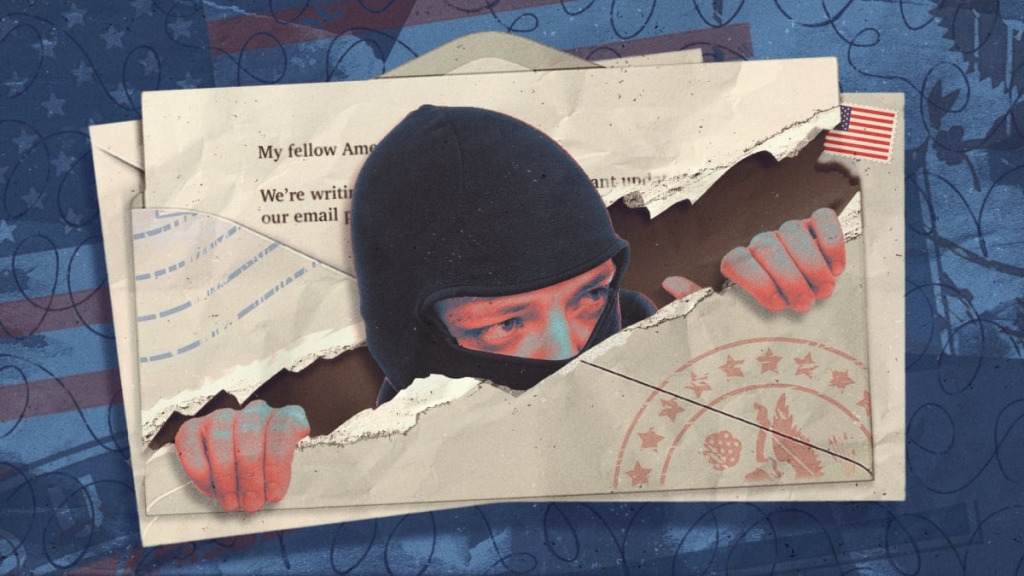
Political Phishing Scams Exploit America’s Deep Divides to Steal Your Data
In an era where political polarization in the United States has reached unprecedented levels, cybercriminals are finding new ways to exploit these divisions for financial gain. A recent sophisticated phishing campaign targeting SendGrid users has exposed how scammers are weaponizing America’s political climate to trick unsuspecting victims into handing over their login credentials.
The scam, detailed by investor Fred Benenson in a recent blog post, demonstrates the evolving tactics of international fraudsters who are increasingly leveraging real-time political tensions to create convincing social engineering attacks. What makes this particular campaign so insidious is its adaptability—scammers crafted multiple versions of the phishing email, each tailored to provoke outrage from different political perspectives.
The Anatomy of a Politically Charged Phishing Attack
The core of the scam involved emails sent to SendGrid users claiming the email service provider would soon add controversial political buttons to all outgoing messages. One version threatened to add a “Support ICE” button, while others claimed pro-LGBT+ and Black Lives Matter banners would be automatically appended to every email. Each variation was designed to trigger an immediate emotional response from recipients who might feel their business values were being compromised.
What made this attack particularly effective was its psychological sophistication. The emails included a prominent blue button promising to help users “opt out” of these supposed changes. When clicked, this button led to a meticulously crafted fake version of SendGrid’s website, designed to harvest login credentials the moment users attempted to sign in.
Why Political Phishing Works So Well
Phishing attacks succeed when they can override rational thinking and trigger immediate action. By tapping into the current political climate, scammers create a perfect storm of urgency and emotional distress. Business owners, particularly those in industries with clear political leanings like fair trade coffee companies, would understandably panic at the thought of inadvertently sending messages that contradict their stated values.
The genius of this approach lies in its universality. Regardless of political affiliation, the scam creates a scenario where recipients feel compelled to act quickly to protect their brand’s reputation. This urgency short-circuits the critical thinking process that might otherwise alert users to the fraudulent nature of the email.
A Growing Trend in Cybercrime
This isn’t an isolated incident. Throughout 2020, scammers exploited the Black Lives Matter movement with fake voting campaigns that spread malware. During the 2024 presidential election cycle, Lifehacker reported a surge in political donation scams where fraudsters impersonated candidates and political organizations to solicit fraudulent contributions.
According to fraud expert Stacey Wood, writing for Psychology Today, this trend continues to grow. “What is especially challenging for consumers and voters is that legitimate campaign operatives use many of the same common persuasion techniques employed by scammers,” Wood explains. This blurring of lines between legitimate political outreach and fraudulent schemes makes it increasingly difficult for the average person to distinguish between authentic and malicious communications.
The Global Reach of American Political Divisions
What’s particularly concerning is how international scammers have gained such sophisticated insight into American political dynamics. These aren’t isolated hackers working in basements—they’re organized operations with access to American media outlets and a deep understanding of the country’s political landscape. They’ve recognized that America’s political divisions provide fertile ground for exploitation, and they’re leveraging this knowledge with alarming effectiveness.
How to Protect Yourself from Political Phishing Scams
The first line of defense is awareness. Understanding that scammers actively exploit current events and political tensions can help you maintain a healthy skepticism when receiving unexpected communications. Before clicking any link in an email, especially from unfamiliar senders, hover over the link to preview the destination URL. Look for subtle misspellings or unusual domain names that might indicate a fraudulent site.
The safest approach is to avoid clicking links altogether when dealing with sensitive accounts. Instead, navigate directly to the service’s official website by typing the URL into your browser. This eliminates the risk of being redirected to a fake site designed to steal your credentials.
Remember that it’s easier to fall for a scam than most people realize. The psychological pressure created by these politically charged messages is specifically designed to override your normal caution. If an email creates a sense of panic or urgency, especially around political issues, take a moment to breathe and evaluate the situation rationally.
The Bottom Line
As America’s political divisions continue to deepen, cybercriminals will undoubtedly find new ways to exploit these tensions for financial gain. The sophistication of these attacks will only increase as scammers refine their techniques and gain better insights into American political dynamics.
The key to protecting yourself lies in maintaining awareness, practicing healthy skepticism, and understanding the psychological tactics that scammers use to manipulate emotions. In an age where political passion can be weaponized against you, the most powerful defense is a clear head and a cautious approach to unexpected digital communications.
Phishing #Cybersecurity #PoliticalScams #DataTheft #SocialEngineering #OnlineSecurity #ScamAwareness #DigitalSafety #PoliticalDivision #CyberCrime #EmailSecurity #FraudPrevention #TechNews #SecurityTips #OnlineThreats
Panic buttons. Political chaos. Your data is the target.
Don’t let your emotions become a hacker’s playground.
The most dangerous scams are the ones that make you angry.
Your political passion could cost you everything.
Think before you click—your business depends on it.
Scammers are watching your feeds, waiting for you to react.
The next phishing email could be wearing your party’s colors.
Your login credentials are more valuable than your vote.
In the digital age, skepticism is your best defense.
The only thing more divided than America is your inbox.
When politics meets phishing, everyone loses.
Your anger is their opportunity—stay calm, stay safe.
The scam of the decade? Exploiting your deepest beliefs.
Your political stance shouldn’t cost you your security.
The real threat isn’t the button—it’s the panic it creates.
,


Leave a Reply
Want to join the discussion?Feel free to contribute!