
Unusual oral microbiome signature linked to obesity
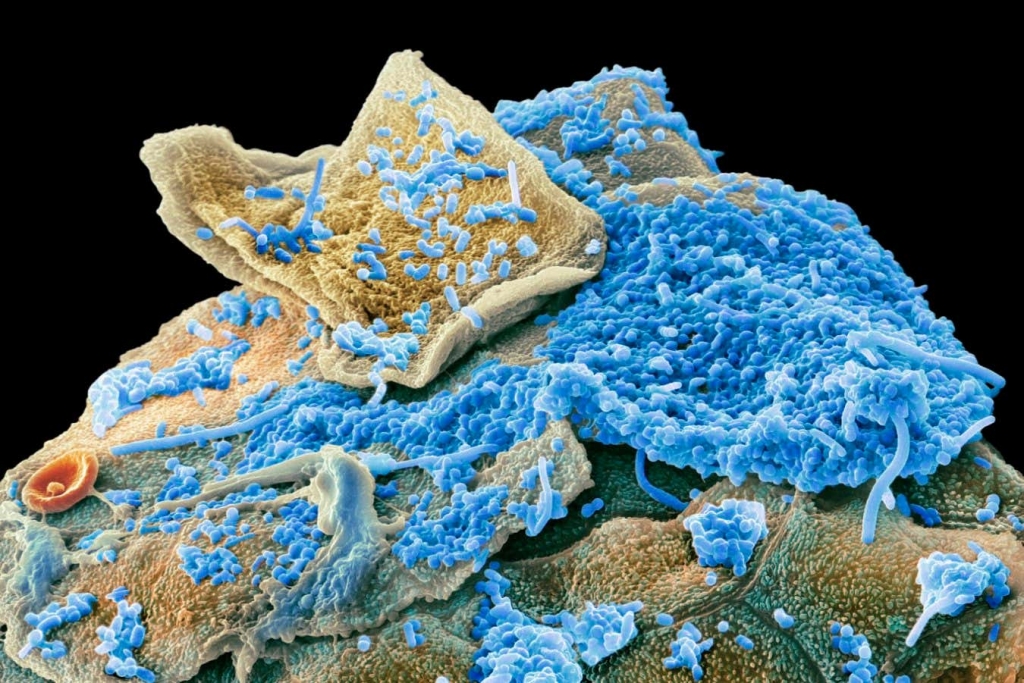
Groundbreaking Study Links Oral Microbiome to Obesity: A New Frontier in Early Detection and Prevention
In a stunning revelation that could reshape our understanding of obesity and its prevention, researchers have uncovered a distinct microbial signature in the mouths of individuals with obesity. This discovery not only highlights the intricate relationship between our oral health and systemic conditions but also opens the door to innovative strategies for early detection and intervention.
The Hidden World Inside Your Mouth
The human mouth is home to over 700 species of bacteria, forming the second-largest microbial ecosystem in the body after the gut. While the gut microbiome has long been associated with weight gain and metabolic disorders, the role of the oral microbiome in obesity has remained relatively unexplored—until now.
A groundbreaking study led by Aashish Jha at New York University Abu Dhabi has shed light on this hidden world, revealing that the oral microbiome of individuals with obesity differs significantly from that of healthy-weight individuals. The findings, published in a leading scientific journal, suggest that the bacteria in our mouths may play a more significant role in our overall health than previously thought.
A Microbial Signature of Obesity
The research team analyzed saliva samples from 628 Emirati adults, including 97 individuals with obesity. By sequencing the microbial DNA in these samples, they compared the oral microbiomes of those with obesity to 95 healthy-weight individuals who were otherwise similar in age, sex, lifestyle, and oral health habits.
The results were striking. The oral microbiomes of individuals with obesity were enriched with bacteria known to drive inflammation, such as Streptococcus parasanguinis and Actinomyces oris. Additionally, there was a higher prevalence of Oribacterium sinus, a bacterium that produces lactate—a compound associated with poor metabolism.
But the differences didn’t stop there. The study identified 94 distinct variations in microbial metabolic pathways between the two groups. For instance, individuals with obesity showed enhanced mechanisms for carbohydrate metabolism and the breakdown of histidine, an essential amino acid. However, they were less efficient at producing B vitamins and heme, a critical component for oxygen transport in the blood.
A Metabolic Pattern Emerges
The metabolites produced by these microbial processes in individuals with obesity included lactate, histidine derivatives, choline, uridine, and uracil. These compounds are linked to metabolic dysfunction, such as elevated levels of triglycerides, liver enzymes, and glucose in the blood.
“When we put this together, a metabolic pattern emerges,” explained Lindsey Edwards of King’s College London. “The data point toward a low-pH, carbohydrate-rich, inflammatory oral environment in obese individuals. This study provides some of the clearest evidence to date that the oral microbiome reflects, and may contribute to, metabolic changes associated with obesity.”
Cause or Effect? The Next Step in Research
While the study establishes a strong association between the oral microbiome and obesity, it does not yet prove causation. “Some of these associations are mind-blowing to me, but right now, we cannot say anything about what is causing what,” Jha admitted. “That’s the next step for us.”
To unravel this mystery, Jha and his team are planning follow-up experiments to investigate whether microbes or metabolites from the mouth can migrate to the gut, potentially influencing systemic health. They hypothesize that the rich network of blood vessels in the mouth, which facilitates rapid nutrient delivery, might also allow metabolites to enter the bloodstream and affect the rest of the body.
A Potential Pathway to Prevention
If further research confirms that the oral microbiome can drive obesity, it could pave the way for innovative interventions. These might include transferring healthy oral microbes via gels, using prebiotics to promote the growth of beneficial bacteria, or developing targeted antimicrobials and pH-modifying rinses.
Even if the oral microbiome is an effect rather than a cause of obesity, its distinct shifts could still be valuable. Jha suggests that a simple saliva test could detect these changes early, offering a non-invasive tool for identifying individuals at risk and enabling timely prevention efforts.
The Future of Obesity Research
This study marks a significant step forward in our understanding of obesity, highlighting the complex interplay between our microbiome and metabolic health. As researchers continue to explore this connection, the potential for new diagnostic tools and therapies grows.
“No doubt behavioral interventions, such as reducing sugar intake, will also help,” Edwards noted. But the possibility of targeting the oral microbiome adds a new dimension to the fight against obesity—one that could revolutionize how we approach this global health challenge.
Tags: #OralMicrobiome #ObesityResearch #MetabolicHealth #MicrobiomeScience #EarlyDetection #Prevention #HealthInnovation #GutHealth #OralHealth #ScienceBreakthrough
Viral Sentences:
- “Your mouth might hold the key to understanding obesity!”
- “Scientists uncover a hidden microbial signature in the mouths of people with obesity.”
- “Could a simple saliva test predict your risk of obesity?”
- “The oral microbiome: A new frontier in the fight against obesity.”
- “From mouth to metabolism: How bacteria could be driving weight gain.”
- “Revolutionizing obesity prevention: The role of oral microbes.”
- “Mind-blowing discovery: Your oral health might be linked to your weight!”
- “The future of obesity treatment could be in your saliva.”
- “Breaking the cycle: How targeting oral bacteria could prevent obesity.”
- “Science uncovers the secret life of your mouth’s microbes.”
,


Leave a Reply
Want to join the discussion?Feel free to contribute!