
Apple iPhone 17 Pro review: different looks but still all about the zoom | Apple
Apple iPhone 17 Pro Review: A Bold Redesign with a Hefty Price Tag
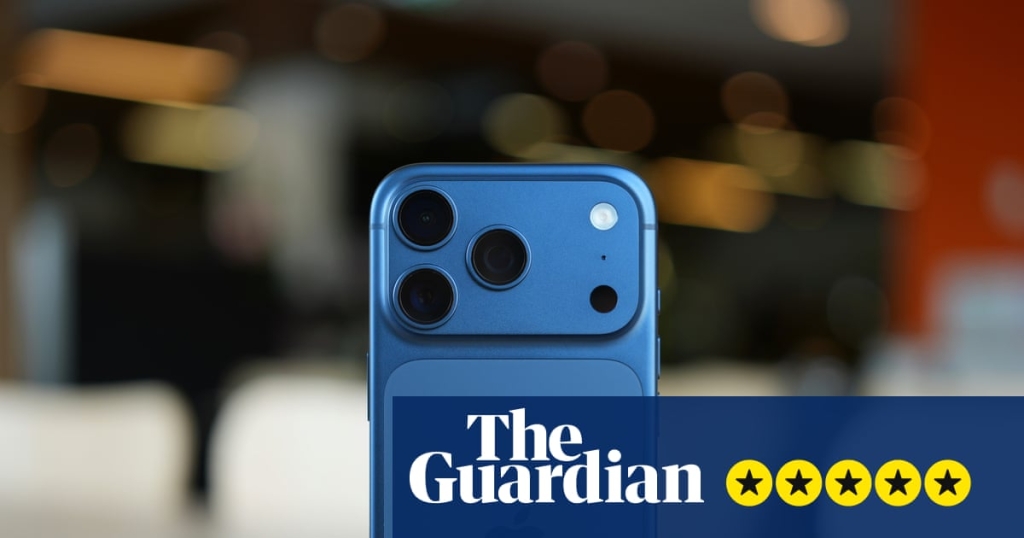
The iPhone 17 Pro marks Apple’s most significant redesign of the iPhone in years, abandoning the familiar titanium sides and all-glass back in favor of an innovative aluminum unibody construction. This radical departure from tradition comes with a substantial price increase to £1,099 (€1,299/$1,099/A$1,999), making it the first time Apple’s smallest Pro model has crossed the £1,000 threshold—though it does come with double the starting storage capacity.
From the front, the device maintains the familiar Pro aesthetic with its Dynamic Island housing the selfie camera at the top of what remains one of the best screens available on any smartphone. This display matches the upgraded regular iPhone 17, featuring higher peak brightness and a new anti-glare coating that significantly reduces reflections in bright light, making outdoor use considerably more comfortable.
The aluminum sides have been thoughtfully refined with subtle edge rounding, creating a comfortable in-hand feel that avoids the slipperiness often associated with glass-backed devices. The phone has gained 5g in weight, pushing it just over the 200g mark—making it somewhat heavy for a smaller handset, though the weight distribution feels balanced.
A credit card-sized glass panel is seamlessly integrated into the aluminum body, serving as the attachment point for MagSafe and Qi2.2 chargers and accessories. The prominent aluminum “plateau” at the top houses the cameras in an even larger housing than the camera bar found on Google’s Pixel devices. While the aluminum construction eliminates the cracking vulnerability of glass, it’s more prone to scratching, particularly around the plateau edges, making a protective case advisable.
The device runs iOS 26, which introduces Apple’s controversial “Liquid Glass” interface design. While generally functional, the transparency effects for buttons and other elements have sparked debate among users, as they sometimes blend too seamlessly into the background.
Specifications
- Screen: 6.3-inch Super Retina XDR (120Hz OLED) at 460ppi
- Processor: Apple A19 Pro
- RAM: 12GB
- Storage: 256GB, 512GB, or 1TB
- Operating System: iOS 26
- Camera: 48MP main, 48MP ultra-wide, 48MP 4x zoom, 18MP front-facing
- Connectivity: 5G, WiFi 7, NFC, Bluetooth 6, Thread, USB-C, Satellite, UWB, GNSS
- Water Resistance: IP68 (6 meters for 30 minutes)
- Dimensions: 150 x 71.9 x 8.75mm
- Weight: 204g
Faster and Cooler: A19 Pro Chip
At the heart of the iPhone 17 Pro lies the new Apple A19 Pro chip, paired for the first time in an iPhone with a vapor chamber cooling system. This technology, common in high-performance Android devices, extracts heat from the chip and disperses it throughout the phone’s body, maintaining peak performance for extended periods.
The cooling system proves effective, keeping the back cooler than previous iPhone models during prolonged gaming sessions while delivering better frame rates and a more comfortable grip. Battery life is solid for a phone of this size, lasting approximately 42 hours between charges with about six hours of active screen use on a mix of 5G and WiFi—roughly two hours longer than last year’s model. Even on heavy-use days involving extensive gaming or outdoor use, the device typically retains around 25% battery by day’s end, making every-other-day charging sufficient for most users.
Sustainability
The battery is rated for over 1,000 full charge cycles while maintaining at least 80% of its original capacity and can be replaced for £109. Screen repairs cost £349 out of warranty. iFixit awarded the phone a seven out of ten for repairability.
The device contains more than 30% recycled materials, including aluminum, cobalt, copper, gold, lithium, rare-earth elements, steel, tin, and tungsten. Apple provides detailed environmental impact reports and offers trade-in and free recycling programs, including for non-Apple products.
Camera
The iPhone 17 Pro features three 48-megapixel cameras on the back and a new 18-megapixel selfie camera with several innovative features. The main and ultra-wide cameras deliver excellent performance across various lighting conditions, particularly excelling at street photography with solid detail retention.
The main camera’s 2x crop zoom produces results comparable to 1x shots in good light, with only slight graininess in dimmer conditions. The standout addition is the upgraded telephoto camera, now offering 4x optical zoom at 48MP (up from 5x at 12MP). This produces well-balanced, detailed photos and can achieve an 8x crop zoom that performs admirably in bright light with minimal detail degradation.
All three rear cameras capture some of the best video available on any smartphone, featuring excellent macro photography capabilities and the ability to record from both front and rear cameras simultaneously, with the operator appearing in a small window. Apple’s automatic portrait mode works well with both people and objects.
The selfie camera receives its first significant upgrade in years, jumping to 18MP with Apple’s Centre Stage technology from iPads and Macs. This feature automatically pans and zooms to keep subjects in frame during video calls and can expand the frame to capture landscape selfies when holding the phone in portrait orientation—a clever solution for group selfies without requiring phone rotation.
Price
The iPhone 17 Pro starts at £1,099 (€1,299/$1,099/A$1,999) with 256GB of storage. For context:
- iPhone 16e: £599
- iPhone 17: £799
- iPhone Air: £999
- iPhone 17 Pro Max: £1,199
- Google Pixel 10 Pro: £999
- Samsung Galaxy S25 Ultra: £1,099
- Fairphone 6: £499
Verdict
The iPhone 17 Pro represents the first visually distinct iPhone design in years, immediately setting it apart despite minimal functional differences from recent models. The aluminum unibody design feels premium, though it’s more scratch-prone than glass alternatives. The screen and performance are exceptional, while battery life is commendable for a relatively compact device.
However, the iPhone Air’s super-thin profile and the upgraded standard iPhone 17—which matches the Pro’s screen quality for the first time at a lower price point—create significant competition. The camera system remains the primary differentiator, with the new telephoto camera being among the best available.
For iPhone buyers specifically seeking telephoto zoom capabilities, the 17 Pro is the clear choice, though the premium price requires careful consideration.
Pros: Distinctive design, relatively compact, excellent cameras including 4x/8x telephoto, upgraded selfie camera, superb screen, USB-C, good battery life, top-tier performance, long software support, Face ID
Cons: Expensive, heavier than previous models, lacks cutting-edge AI features compared to rivals, same screen and size available on cheaper models
viral tags and phrases:
iPhone 17 Pro, Apple redesign, aluminum unibody, camera plateau, Liquid Glass interface, A19 Pro chip, vapor chamber cooling, 4x telephoto camera, 18MP selfie camera, iOS 26, Dynamic Island, MagSafe, IP68 water resistance, recycled materials, premium smartphone, flagship device, camera innovation, design evolution, tech upgrade, smartphone photography, Apple ecosystem, high-end mobile, cutting-edge technology, mobile photography, smartphone comparison, tech review, device durability, sustainable tech, performance benchmark, mobile innovation, flagship killer, camera comparison, tech enthusiast, smartphone evolution, design language, premium features, mobile gaming, battery life champion, repairability score, environmental responsibility, selfie technology, zoom photography, compact flagship, aluminum design, scratch resistance, weight distribution, screen quality, processor performance, connectivity features, satellite communication, ultra-wide camera, macro photography, portrait mode, video capabilities, software support, Face ID security, competitive pricing, market positioning, consumer choice, tech investment, device longevity, mobile computing, smartphone trends, industry standards, user experience, design philosophy, material innovation, thermal management, power efficiency, charging technology, wireless charging, accessory ecosystem, brand loyalty, product differentiation, market competition, value proposition, upgrade decision, tech adoption, consumer electronics, mobile photography trends, camera technology, smartphone design, premium materials, user interface, software experience, hardware-software integration, mobile performance, daily driver, photography enthusiast, tech specifications, device comparison, buying guide, expert review, hands-on experience, real-world testing, performance analysis, feature breakdown, pros and cons, market analysis, consumer insights, technology trends, future of smartphones, Apple innovation, design breakthrough, premium smartphone market, mobile technology evolution
,


Leave a Reply
Want to join the discussion?Feel free to contribute!