
5 TSA Security Tech Projects That Could Change Airport Screening
TSA’s Next-Gen Security Tech: 5 Innovations That Could Transform Airport Screening
The Transportation Security Administration (TSA) is constantly evolving its security measures to keep pace with emerging threats. As technology advances, so too must the tools used to ensure passenger safety. Here’s a look at five cutting-edge TSA security tech projects that could revolutionize airport screening in the near future.
1. Automated Lanes for Security Screening Are Rolling Out Across the United States
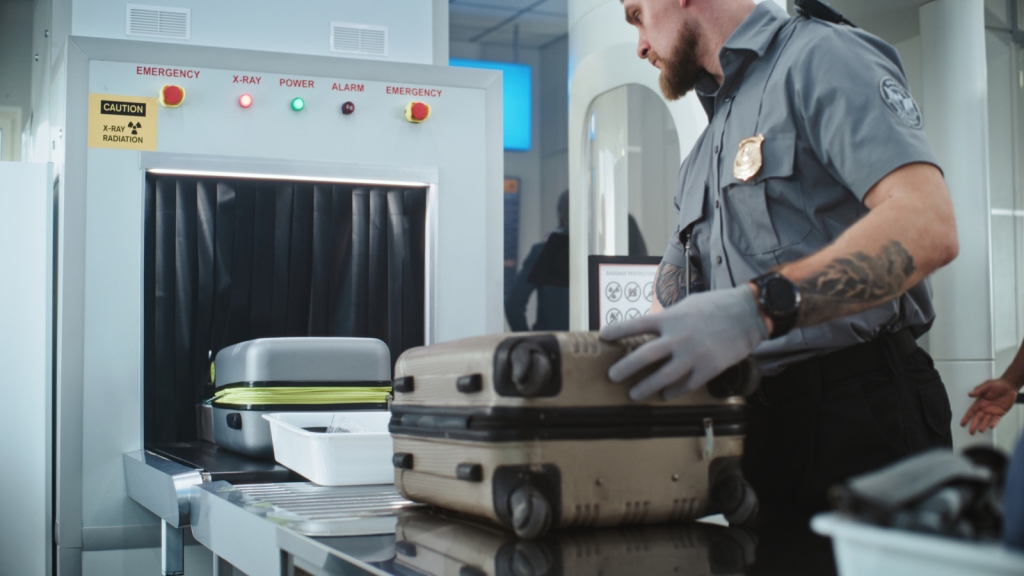
Airport security lines are a major pain point for travelers, especially during peak times. To address this, the TSA has introduced automated screening lanes at major U.S. airports, including those in New York, Los Angeles, and Newark. These lanes use conveyor belt systems to streamline the process, allowing passengers to place their belongings in bins and send them through for X-ray screening. The system can handle multiple bins at once, reducing wait times and improving efficiency. In 2024, Baltimore-Washington International Airport received an upgrade with these new lanes, which have larger bin capacities and can reroute bags for additional inspection if needed. Trials of self-screening units, like the PAX MX2 at Las Vegas’s Harry Reid International Airport, are also underway, potentially paving the way for broader adoption.
2. Wearable Sensor for Contactless Physical Assessment
Pat-down screenings are a necessary but often uncomfortable part of the security process. The TSA is exploring the use of wearable sensors to make this step more efficient and less invasive. The Wearable Sensor for Contactless Physical Assessment, developed by the U.S. Department of Homeland Security, uses haptic feedback to allow officers to “feel” areas on a person’s body without physical contact. This technology could leverage millimeter wave scanning, LiDAR, or backscatter X-ray to create a touchless screening experience. Not only would this improve passenger comfort, but it could also enhance safety by allowing officers to examine potential threats more closely without direct contact.
3. The AI Threat-Detecting Capabilities of Newer Computed Tomography Machines
Computed Tomography (CT) machines are the next evolution in baggage screening technology. Unlike traditional 2D X-ray systems, CT machines create 3D images of a bag’s contents, which can be rotated 360 degrees for a thorough analysis. The TSA has been deploying these machines in U.S. airports since 2018, and they are now being enhanced with artificial intelligence (AI) to detect explosives and other threats more accurately. While manual searches are still necessary in some cases, CT machines significantly reduce the need for them, speeding up the screening process and improving overall security.
4. HEXWAVE Body Scanners
HEXWAVE body scanners, developed by Liberty Defense, represent a major leap forward in passenger screening. These scanners use active 3D radar imaging and AI to detect both metallic and non-metallic weapons in real time. Unlike traditional body scanners, HEXWAVE can process multiple people simultaneously, making it ideal for high-traffic areas like airports. The TSA is currently evaluating HEXWAVE as a potential replacement for metal detectors in PreCheck lanes, and it has already been tested at several airports. With its ability to provide instant, accurate results, HEXWAVE could significantly reduce wait times and enhance security.
5. TSA ConfirmID
For travelers who forget their ID or don’t have an approved form of identification, the TSA has introduced ConfirmID. This system allows passengers to verify their identity using biometric data and facial recognition technology. For a $45 fee, travelers can apply for ConfirmID online or at the airport, providing a receipt to TSA officers for verification. This initiative, which took effect in February 2026, aims to make air travel more accessible while maintaining high security standards. The TSA is also expanding its Touchless ID functionality for PreCheck users, allowing them to pass through security using just facial recognition.
These innovations represent the future of airport security, combining cutting-edge technology with a focus on efficiency and passenger experience. As the TSA continues to test and implement these systems, travelers can look forward to a smoother, safer journey through the skies.
Tags: #TSA #AirportSecurity #TechInnovation #AI #Biometric #TravelTips #FutureOfTravel #SecurityTech #Aviation #SmartAirports
Viral Phrases: “Revolutionizing airport security,” “The future of travel is here,” “Say goodbye to long lines,” “Touchless travel is the new norm,” “AI-powered safety at your fingertips,” “Smoother, safer skies ahead,” “Next-gen screening tech unveiled,” “Travel smarter, not harder,” “The end of pat-downs as we know them,” “Your face is your ticket to the future.”
,

Leave a Reply
Want to join the discussion?Feel free to contribute!