
Countries Across Europe Take Action to Ban Social Media for Minors
Europe’s Social Media Ban Wave: A Digital Revolution for Youth Protection
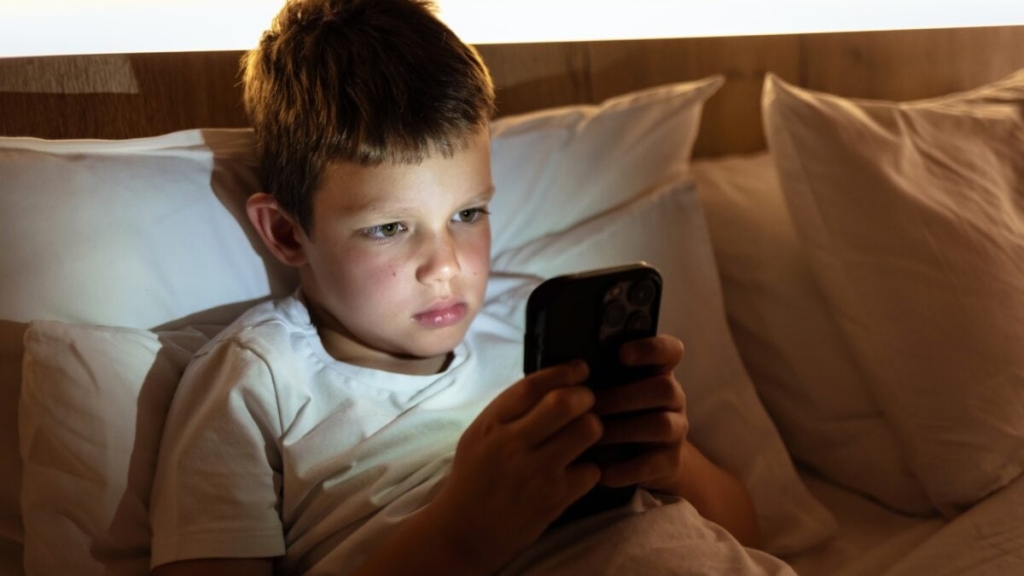
In a sweeping movement that’s sending shockwaves through Silicon Valley, European nations are rapidly implementing bans on social media use for children and teenagers, marking what experts are calling the most significant regulatory shift in digital history. The trend, which began with Australia’s groundbreaking under-16 ban, has now become a continent-wide phenomenon that’s reshaping how millions of young Europeans interact with the digital world.
The Czech Republic has emerged as the latest country to seriously consider implementing restrictions, with Prime Minister Andrej Babis declaring that social media is “terribly harmful to children” based on expert consultations. Deputy Prime Minister Karel Havlicek has confirmed that the government is exploring comprehensive measures that could be enacted as early as this year, joining a growing coalition of nations determined to protect their youth from digital harms.
Spain has taken an even more aggressive stance, with Prime Minister Pedro Sánchez announcing plans to ban under-16 users from social media platforms entirely. In a powerful speech delivered in Dubai, Sánchez described social media as “the digital wild west” and emphasized the need to protect children from its potentially devastating effects. The Spanish leader also revealed that his country has joined forces with five other European nations in what he calls the “coalition of the digitally willing,” though the identities of these partner countries remain undisclosed.
The movement has gained remarkable momentum across the continent. Greece and Turkey have both signaled their intentions to implement similar restrictions, while France’s lower parliament recently voted in favor of banning under-15s from social media platforms. The bill now moves to the French Senate for further consideration, marking a significant step toward comprehensive regulation.
Germany’s digital minister, Karsten Wildberger, has publicly endorsed the concept, stating that he sees “a lot of merit” in age restrictions and considers them “more than justified.” Austria is reportedly considering a ban for under-14s that could be implemented before the next school year begins, while Ireland’s minister for media has announced plans to introduce online child safety measures incrementally.
The Nordic countries are also joining the movement, with Denmark announcing plans for a ban as early as November, and Norway working on implementing a similar hard limit. Poland is allegedly drafting legislation to ban under-15s from social media, while Portugal is debating a proposed ban that would include access with parental consent.
The European Union itself is weighing a continent-wide ban that would impact all 27 member countries, potentially creating the largest coordinated digital protection effort in history. The Dutch government has reportedly shown support for such measures, indicating that the movement has broad-based political backing across the political spectrum.
This regulatory wave was sparked by Australia’s historic decision to implement an under-16 ban on major social media platforms including TikTok, Facebook, Instagram, Threads, X, Snapchat, YouTube, Reddit, Kick, and Twitch. The Australian ban, which took effect in mid-December, has served as a template for other nations considering similar measures.
The scientific basis for these bans has been strengthened by research from American social psychologist Jonathan Haidt, whose book “The Anxious Generation” argues that social media exposure during critical developmental stages has fundamentally rewired the brains of those born after 1995. The American Academy of Pediatrics has released reports linking prolonged digital media use to numerous health concerns including language delays, anger issues, weaker cognition, and even increased risk of type 2 diabetes.
Tech companies, particularly American giants like Meta (which operates Instagram), have expressed strong opposition to these bans. Meta has repeatedly urged Australian regulators to reconsider their approach, even as the company simultaneously announced plans to make its platforms more addictive through AI-enhanced recommendation systems. Meta CEO Mark Zuckerberg has stated that “soon” there will be “an AI that understands you” and tailors your feed accordingly, raising concerns about the company’s commitment to user wellbeing.
The bans have also sparked international political tensions, with Elon Musk calling Spanish Prime Minister Sánchez a “true fascist totalitarian” and “a tyrant and a traitor to the people of Spain” following his announcement of stricter regulations and plans to hold tech companies legally responsible for harmful content on their platforms.
As this movement continues to gain momentum, questions arise about how the incoming Trump administration will respond to what many American tech companies view as protectionist measures targeting U.S. businesses. Trump has previously characterized European digital regulation as “overseas extortion” against American interests, though his administration’s actual response to this growing trend remains to be seen.
The social media bans represent a fundamental shift in how societies view the relationship between children and technology. With mounting evidence of social media’s negative impacts on youth mental health, including links to loneliness, depression, anxiety, attention deficit disorders, body image issues, and poor sleep quality, many European leaders believe that decisive action is necessary to protect future generations.
This regulatory movement may well represent the beginning of a new era in digital governance, one where the protection of children’s wellbeing takes precedence over the commercial interests of tech companies. As more countries join this growing coalition, the pressure on social media platforms to fundamentally reform their practices will only intensify, potentially reshaping the entire digital landscape for years to come.
Tags:
#SocialMediaBan #DigitalYouthProtection #EuropeanTechRegulation #ChildSafetyOnline #TechReform #DigitalWellbeing #SocialMediaAddiction #YouthMentalHealth #EuropeanUnionPolicy #TechIndustryRegulation #DigitalParenting #OnlineSafety #SocialMediaReform #YouthDigitalRights #EuropeanDigitalPolicy #TechAccountability #SocialMediaImpact #DigitalGeneration #ChildProtection #EuropeanTechLeadership
Viral Sentences:
Europe is going all-in on social media bans for kids – and Big Tech is terrified
The digital wild west is getting fenced in, one country at a time
Social media companies are facing their biggest regulatory challenge yet
Parents across Europe are cheering as governments finally take action
The Anxious Generation might finally get the protection it desperately needs
Tech giants are learning that European regulators play hardball
This isn’t just regulation – it’s a digital revolution for youth protection
The coalition of the digitally willing is growing stronger by the day
Social media’s days of unchecked influence over children may be numbered
European countries are proving that you can stand up to Big Tech
The digital playground is getting safer for millions of children
Tech companies’ addiction algorithms are finally meeting their match
This movement could reshape how we think about children and technology
The era of unrestricted social media for kids might be coming to an end
European leaders are putting children’s wellbeing ahead of corporate profits,
Leave a Reply
Want to join the discussion?Feel free to contribute!