
Okay, I’m slightly less mad about that ‘Magnificent Ambersons’ AI project
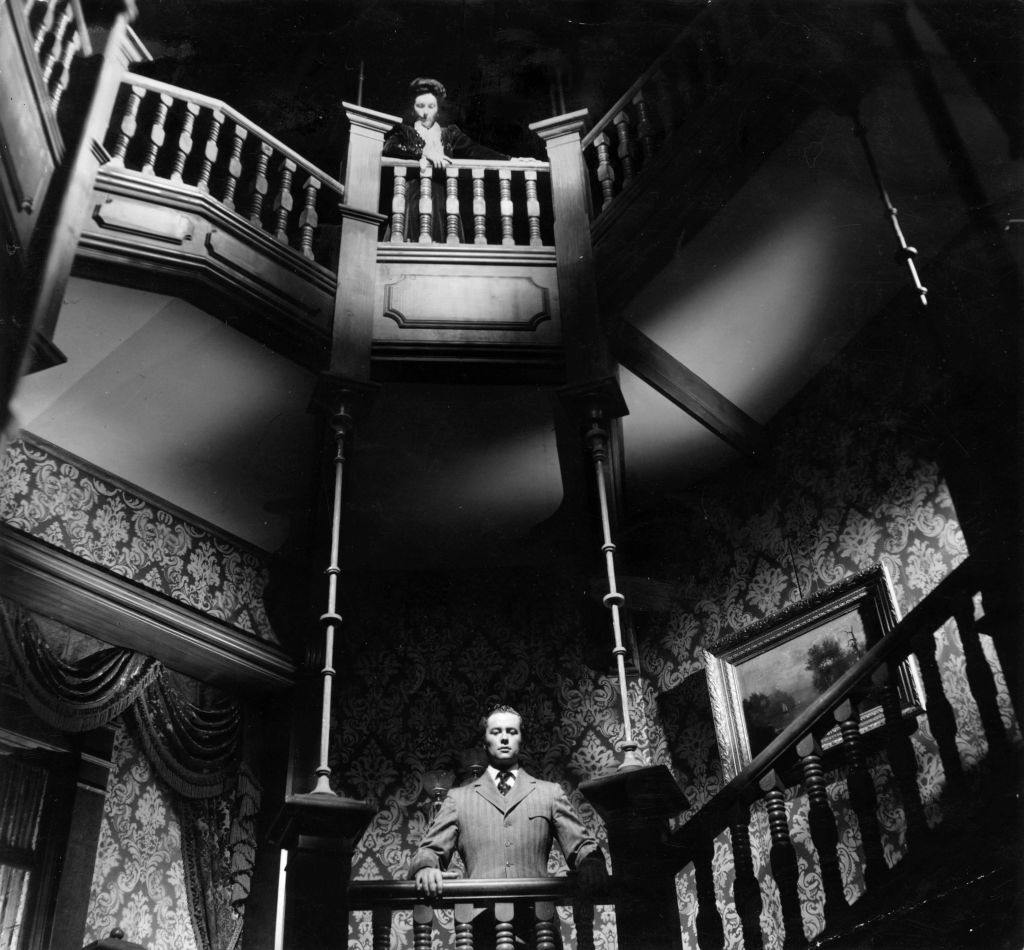
AI Meets Cinematic History: The Controversial Quest to Recreate Orson Welles’ Lost Masterpiece
In a bold fusion of cutting-edge artificial intelligence and cinematic archaeology, startup Fable has embarked on a mission that’s dividing film purists and tech enthusiasts alike: using generative AI to reconstruct the 43 minutes of lost footage from Orson Welles’ 1942 film The Magnificent Ambersons.
When Fable first announced this ambitious project last fall, many—including this reporter—were left scratching their heads. Why would anyone invest significant resources into creating AI-generated “fan fiction” of a classic film? The commercial potential seemed negligible at best, and the risk of backlash from cinephiles appeared almost certain.
But a recent deep-dive by The New Yorker‘s Michael Schulman reveals there’s more to this story than meets the eye. At its core, this project springs from something surprisingly pure: a genuine, almost obsessive love for Welles’ work.
Edward Saatchi, Fable’s founder, grew up in what sounds like a cinephile’s dream—watching films in a private screening room with his “movie mad” parents, who founded the legendary advertising agency Saatchi & Saatchi. He first encountered The Magnificent Ambersons at age twelve, and the film’s tragic history has haunted him ever since.
For the uninitiated, The Magnificent Ambersons represents one of cinema’s greatest “what if” stories. While overshadowed by Welles’ debut Citizen Kane, Welles himself considered Ambersons his superior work. But after a disastrous preview screening, the studio dramatically recut the film, destroying the excised footage to make room in their vaults. The result was a truncated version with an abrupt, unconvincing happy ending that Welles never intended.
“To me, this is the holy grail of lost cinema,” Saatchi told The New Yorker. “It just seemed intuitively that there would be some way to undo what had happened.”
This isn’t the first time someone has dreamed of resurrecting Welles’ original vision. Filmmaker Brian Rose spent years attempting to recreate the lost scenes through animation based on the original script, photographs, and Welles’ notes. When he screened the results for friends and family, “a lot of them were scratching their heads.”
Fable’s approach is decidedly more sophisticated. They’re filming scenes in live action, then overlaying them with digital recreations of the original actors and their voices. Think of it as Rose’s painstaking fan project supercharged with Hollywood budgets and bleeding-edge AI technology.
But the path hasn’t been smooth. The New Yorker piece reveals significant technical hurdles—from fixing obvious AI blunders like a two-headed version of actor Joseph Cotten to the more subjective challenge of recreating the film’s complex, haunting cinematography. Saatchi even described a “happiness” problem, with the AI tending to make the film’s women look inappropriately cheerful for such a melancholy story.
Perhaps most tellingly, while the article includes clips of Rose’s animations and images of Fable’s AI actors, there’s no actual footage showing the results of their live action-AI hybrid approach. The technology, it seems, still has a ways to go.
The legal and ethical landscape is equally complex. Saatchi admitted it was “a total mistake” not to consult Welles’ estate before announcing the project. Since then, he’s been working to win over both the estate and Warner Bros., which owns the film’s rights. Welles’ daughter Beatrice initially remained “skeptical” but now believes “they are going into this project with enormous respect toward my father and this beautiful movie.”
The project has also gained support from Simon Callow, the actor and Welles biographer who’s currently writing the fourth book in his multi-volume Welles biography. Callow, a family friend of the Saatchis, has agreed to advise the project, calling it a “great idea.”
But not everyone is convinced. Melissa Galt, daughter of actress Anne Baxter who appeared in the original film, argues her mother would “not have agreed with that at all.” Galt contends that the AI recreation “is not the truth” but rather “a creation of someone else’s truth.”
This skepticism resonates with a broader philosophical question about art, mortality, and the limits of technology. Recent writing by Aaron Bady draws a provocative parallel between AI and the vampires in the film Sinners, arguing that both fall short of true artistic creation because they lack an understanding of mortality and limitations.
“What makes art possible,” Bady writes, “is a knowledge of mortality and limitations… There is no work of art without an ending, without the point at which the work ends (even if the world continues). Without death, without loss, and without the space between my body and yours, separating my memories from yours, we cannot make art or desire or feeling.”
In this light, Saatchi’s insistence that there must be “some way to undo what had happened” feels not just technologically ambitious but philosophically naive—a refusal to accept that some losses are permanent. It’s reminiscent of tech founders who claim they can “make grief obsolete” or studio executives who insisted Ambersons needed a happy ending.
At its best, this project will likely result in something between a fascinating experiment and a poignant reminder of what we’ve lost. It may never truly resurrect Welles’ original vision, but it could offer a compelling glimpse into cinema history’s greatest “what if.”
The Magnificent Ambersons AI restoration
Orson Welles lost footage reconstruction
Generative AI in classic cinema
Fable startup film restoration project
AI recreating deleted movie scenes
The holy grail of lost cinema
Citizen Kane director’s unfinished masterpiece
AI deepfake technology in film preservation
Warner Bros. rights and AI film recreation
Film purists vs. AI enthusiasts debate
Tags & Viral Phrases
AI recreating lost Orson Welles footage
The Magnificent Ambersons 43 minutes recovered?
Generative AI meets classic Hollywood
Tech startup’s bold cinematic experiment
Film restoration 2.0: AI edition
Can artificial intelligence bring back deleted scenes?
The ultimate cinephile’s dream project
Hollywood meets Silicon Valley in controversial AI venture
Is this the future of film preservation?
AI’s attempt to outsmart cinematic mortality
The Magnificent Ambersons: From studio butchering to AI resurrection
When fan fiction meets cutting-edge technology
Tech’s latest attempt to conquer creative limitations
The philosophical dilemma of AI in art
Can machines truly recreate human artistic vision?
,


Leave a Reply
Want to join the discussion?Feel free to contribute!